
Report · Yarning Circle · Sunday 19 July 2026
Photos Found, Heritage Uncovered
A microscope maker who spent fifty years helping the world to see more closely, and who found, late in life, that he had not yet fully seen himself.
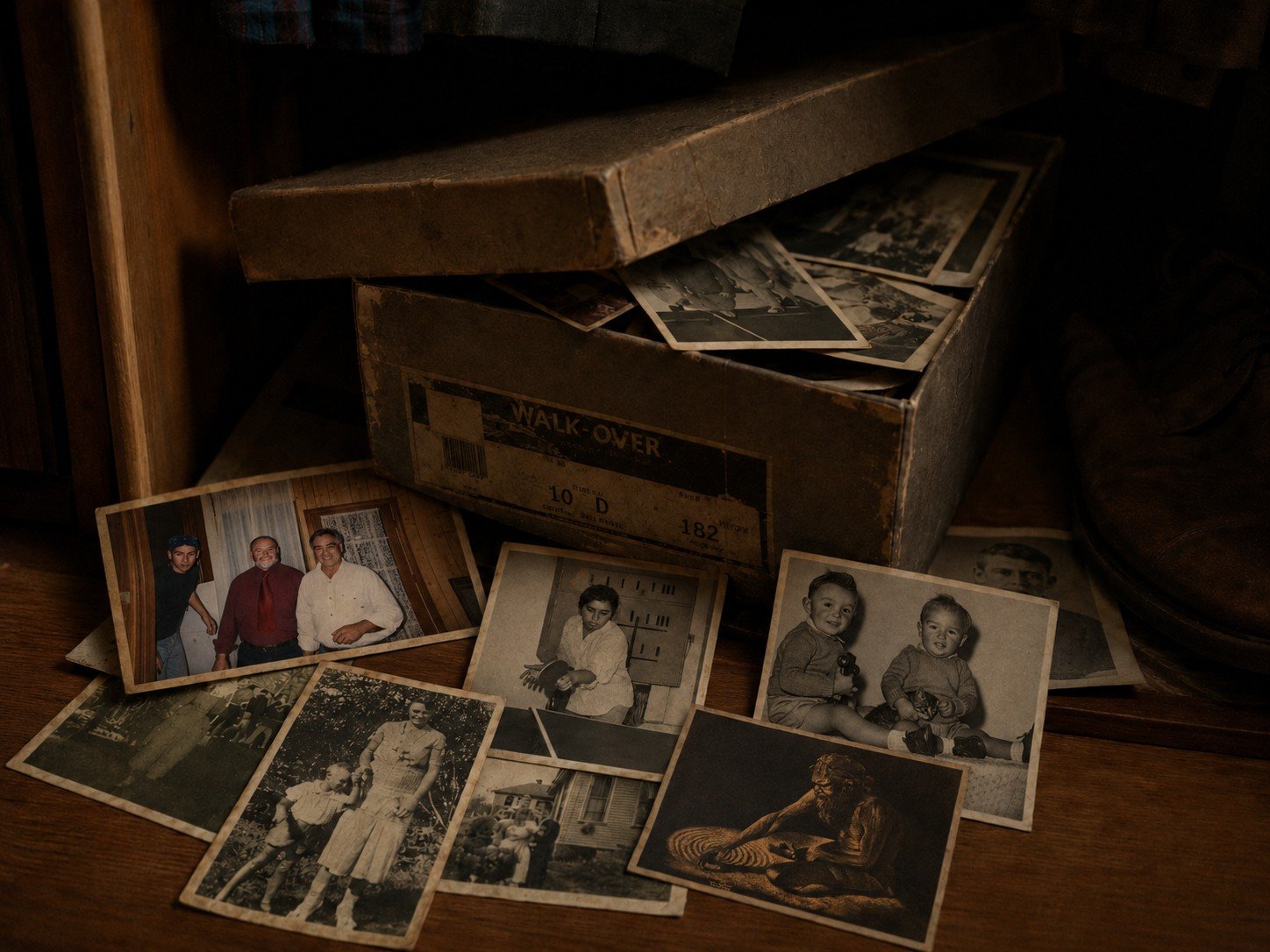
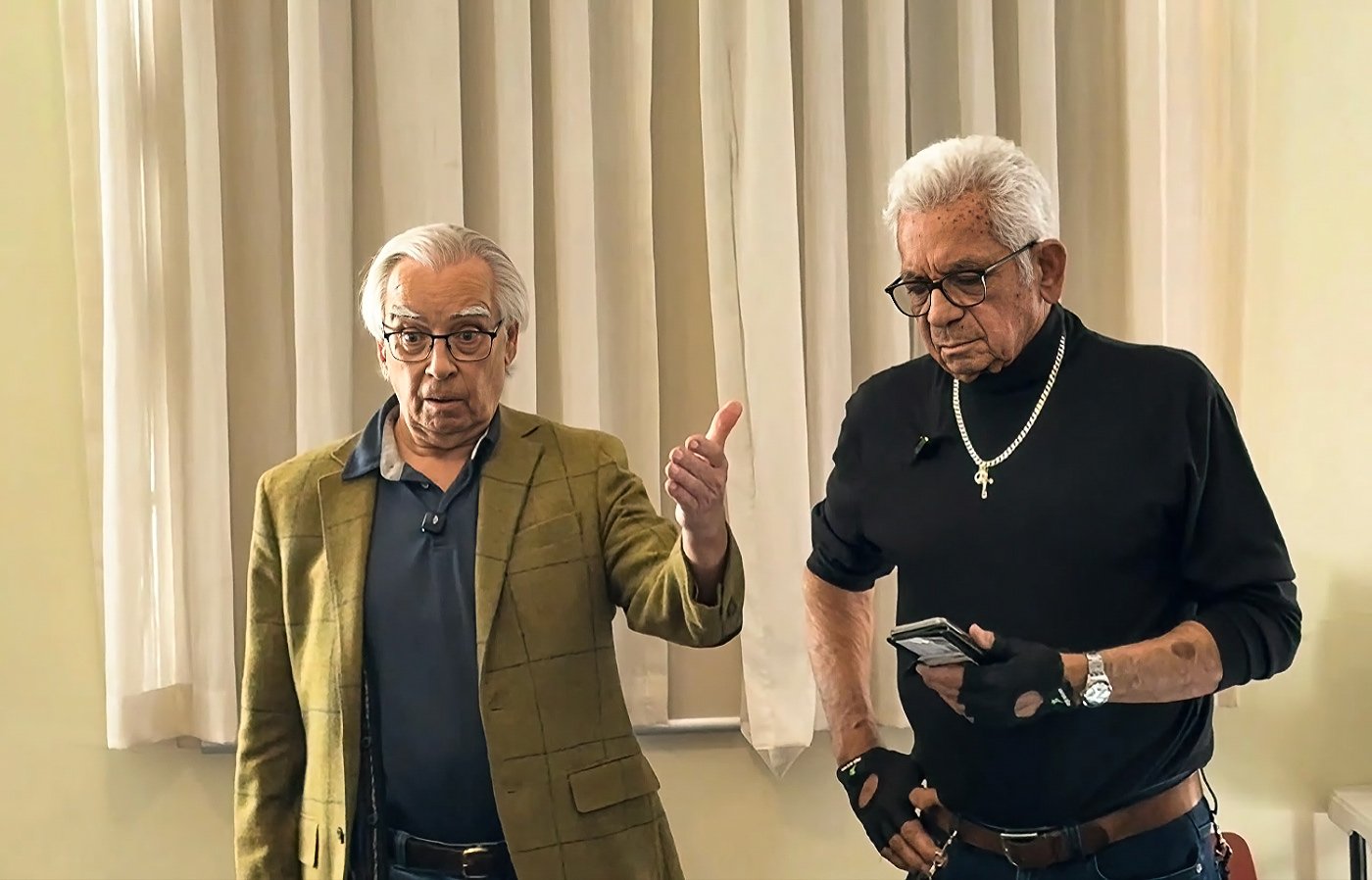
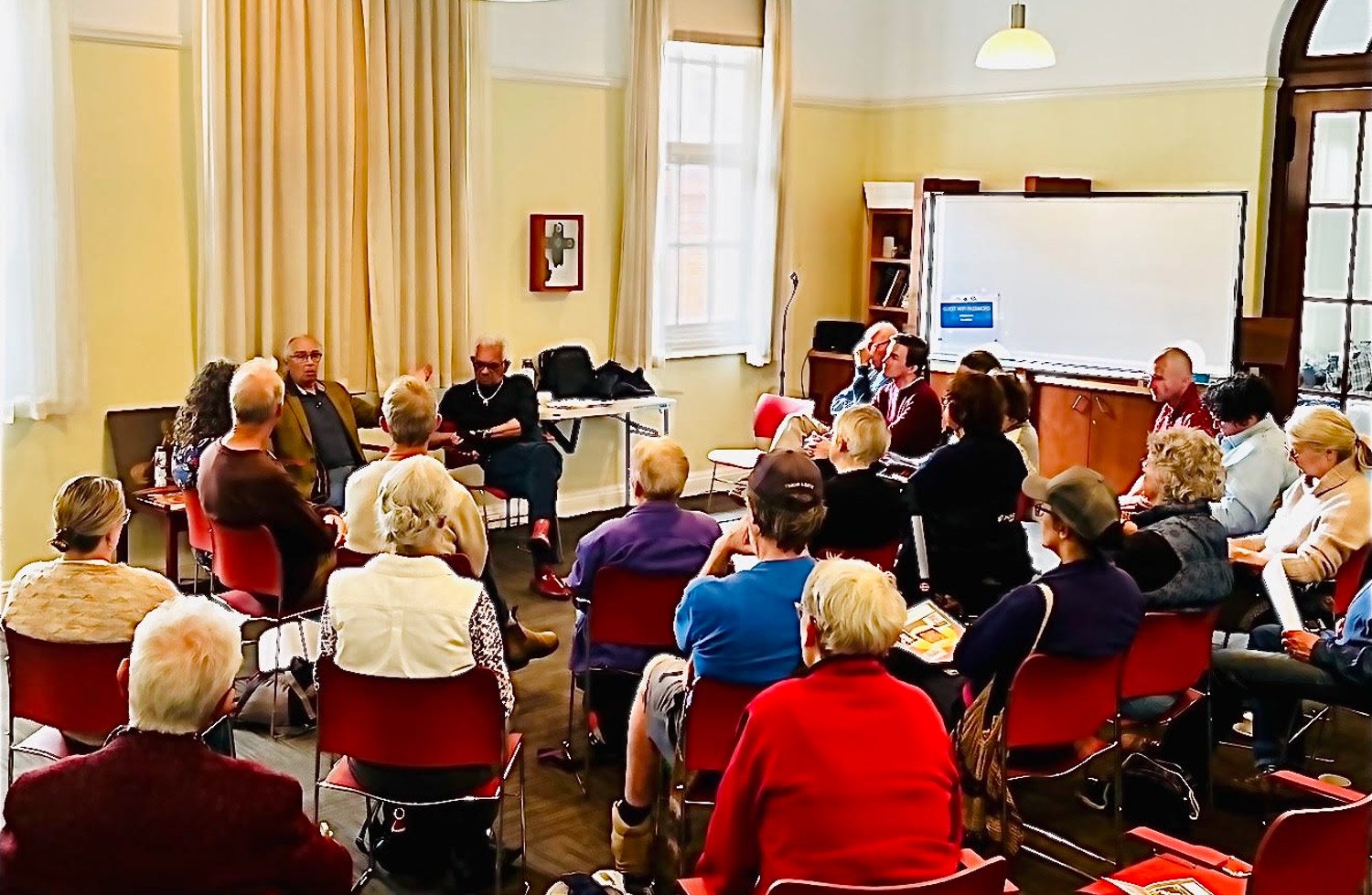
Colin Thomas met Uncle Bill by chance, at a vet, only weeks before he sat down in the Darnell Room to tell his story to twenty-five people. Coming out as Colin was going in, the two men caught each other’s eye. “Indigenous, eh?” Uncle Bill said. “So am I,” Colin answered, and then, “I’ve only just found out a few years ago.” Uncle Bill heard the shape of a story that had to be told, and Colin agreed at once: he wanted it out there.
For most of his life Colin knew himself as Chinese and Australian. Aboriginality was never mentioned, never a question he thought to ask. Then, about four years ago, when his mother passed away, his brother found a small box of photographs that no one had seen. In one of them stood Colin’s grandmother and his father. The family had kept its own history in silence, and the silence had a reason: in the years when these things were decided for people, being anything other than white was dangerous, and many families protected their children by saying nothing.
Colin’s working life began with a fluke. Leaving school at the end of grade ten, he went to the public service board in Sydney, where jobs were pinned along a wall on cards. He reached for fisheries inspector, because he loved boats and water, and forest ranger, because he loved the bush. Then one card caught his eye as he walked to the counter: scientific instrument maker. He loved science above every other subject. He put in for it, and got it, starting his apprenticeship on the first of April, 1969.
He has done it ever since. More than fifty years of microscopes, the precision optics of research and pathology, the instruments that let science see what the eye cannot. He worked for the University of Queensland, then for one of the largest private pathology groups in the world, and he became, in his own words, a microscope expert known well beyond this country.
But the thread that runs through Colin’s craft is the one Uncle Bill drew out in the room. Over forty years, between his own hands and the company he works for, Colin reckons some hundred and fifty microscopes have gone out to the developing world: Somalia, South Sudan, Vanuatu, New Guinea, and more. He keeps the certificates on his wall, not his qualifications, which sit in a cupboard, but the thanks from nurses and doctors and communities kept alive by the instruments.
One of them, from Vanuatu, marks the first cervical cancer reference hospital in the South Pacific; the only other is in Hawaii. When Uncle Bill pressed him on what these countries had in common, Colin did not hesitate. Every one of them had been colonised. Every person who benefits from those instruments has brown skin. The craft and the man had been pointing the same way all along.
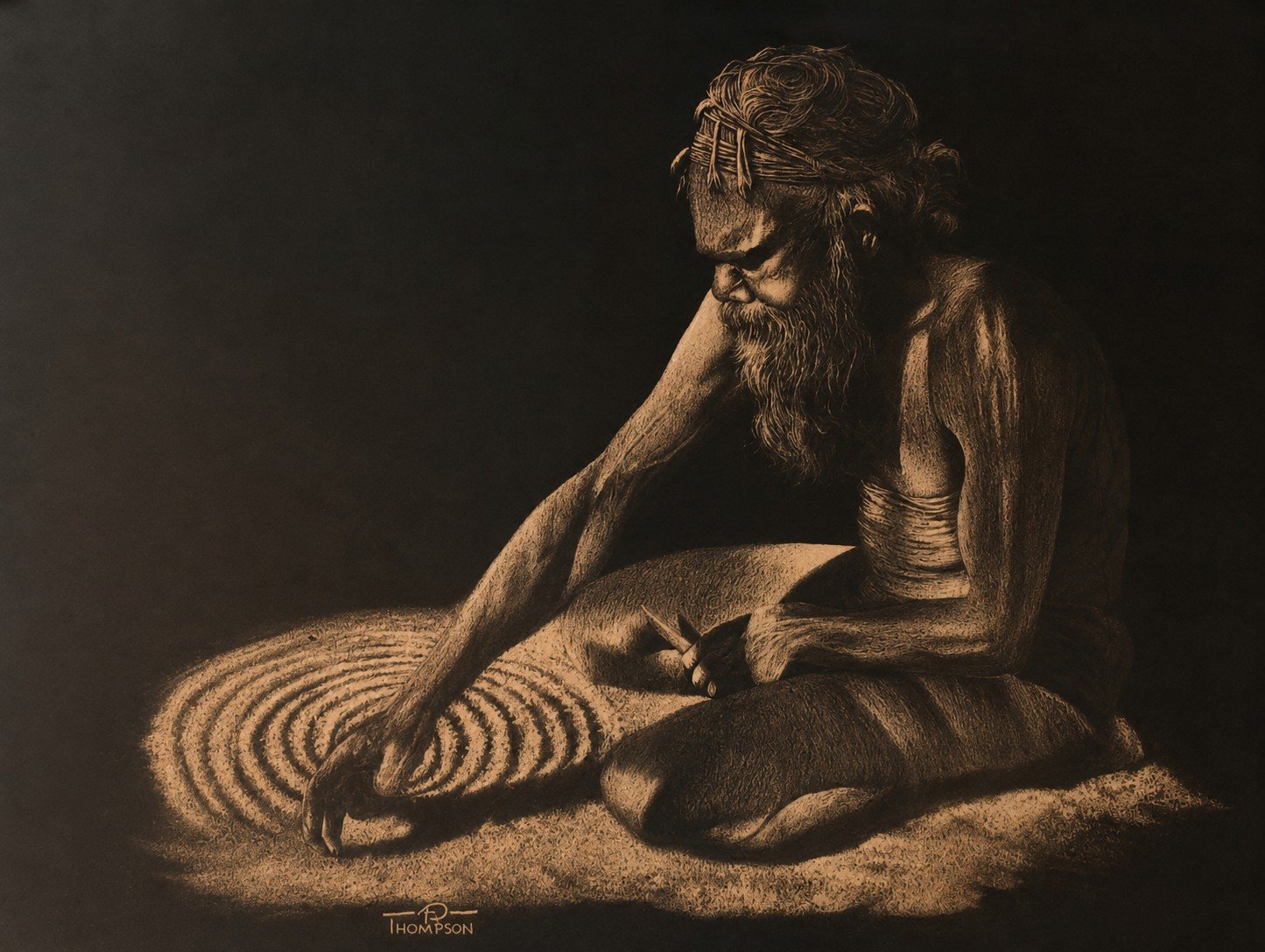
There is an object at the centre of Colin’s story. Forty years ago, at a neighbour’s garage sale, he paid fifty dollars for a painting when everything else on the table cost five. He could not say why he had to have it, only that he did. It has hung on his wall in every home since. On the back is the artist’s name, Thompson, one letter from his own, and a title: The Storytelling. Now that he knows who he is, he says, the picture has a light on it, and he stands and looks at it every night.
Uncle Bill named the thing plainly: an unconscious connection, there all along. He told of a young man who thought he was white, taken bush by an Elder to be shown bush medicines, who found he already knew what each plant was for, though he had never been in the bush in his life. “It’s inherent,” Colin said. “It’s our prehistoric brain telling us who we are.”
By the close, Colin had come to the Yarning Circle four times before this one, his fifth. Meeting Uncle Bill, he said, was not an accident. He does not claim to know how such things work. But the story is still unfolding: only days before, his brother had rung to tell him that Paddys Flat, a place Colin had camped a hundred times, was named for a Paddy Tighe, the same family line surfacing again where he least expected it. He is learning language now, and reading, and finding more of himself in each thing he turns over.
At the end, a member of the Yarning Circle gave Colin a small badge. Uncle Bill pinned it on and read it aloud: strong, resilient, and Indigenous. Colin, in turn, reclaimed a word often said with a sneer. There are people who call others do-gooders, he said, as though it were a fault. Everyone in the room that morning was a do-gooder, and he was proud to be counted among them.
A report from the Yarning Circle of Sunday 19 July 2026.
Guest: Colin Thomas, with Uncle Bill Lemson
Photos by Philippe