Acknowledgement This site is built on Quandamooka Country. Uncle Bill is a Mitakoodi man working on Yuggera and Turrbal lands. We respect their enduring connections to Culture and Country. We pay our respects to Elders, past, present, and emerging. Sovereignty never ceded
I am Uncle Bill Lemson, born in Cloncurry, Western Queensland.
As far as I know, I am from the Mitakoodi.
Who are the Mitakoodi people?
The Mitakoodi are the Traditional Custodians of Country surrounding Cloncurry, in north-west Queensland. The Country extends from the vicinity of Cloncurry and Julia Creek and runs northward across the headwaters and tributaries of the Cloncurry River. In Mitakoodi language, the place now called Cloncurry is Pimurra. The Mitakoodi are known as the River people, for their long custodianship of these waterways and the lands they sustain.
On 22 August 2024, after a legal effort that began in 1996, the Federal Court of Australia formally recognised the Mitakoodi and Mayi peoples as Native Title holders over Country lining the Cloncurry River and its tributaries. The determination was a long-overdue acknowledgement that, before sovereignty, the land and waters of this Country were traditionally owned by the Mitakoodi and Mayi people, and that their laws and customs survive and remain strong.
I am a Mitakoodi man by descent, born at Cloncurry, on Pimurra Country, and I now live and work on the Country of the Turrbal and Yuggera peoples in Brisbane / Magandjin. For more on Mitakoodi people, visit the Mitakoodi Elders Council, the Mitakoodi-led organisation in Cloncurry.
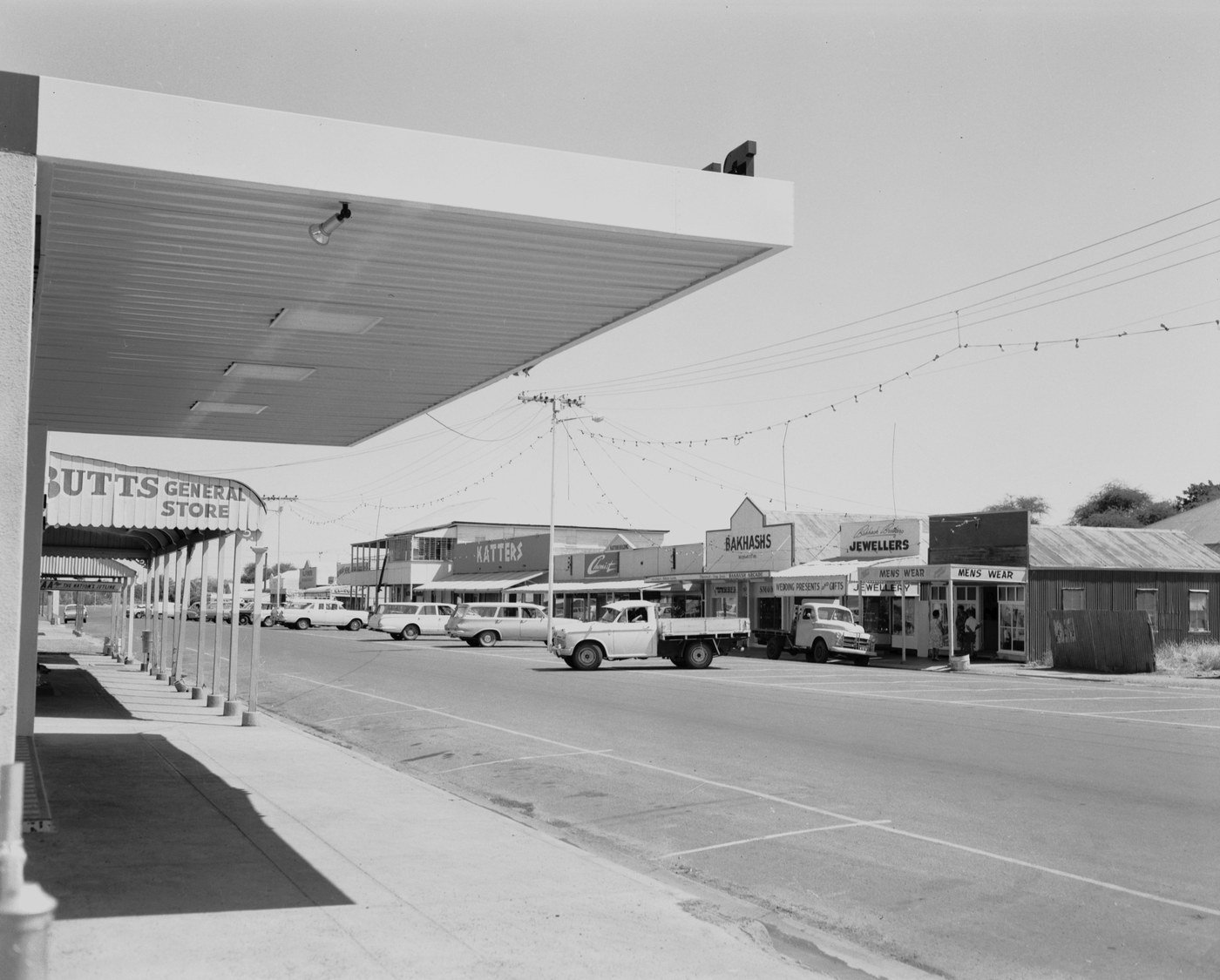
Ramsay Street, Cloncurry February 1966. The shopfronts include Bakhashs, an Afghan family name still trading two generations after the camel teams. State Library of Queensland.
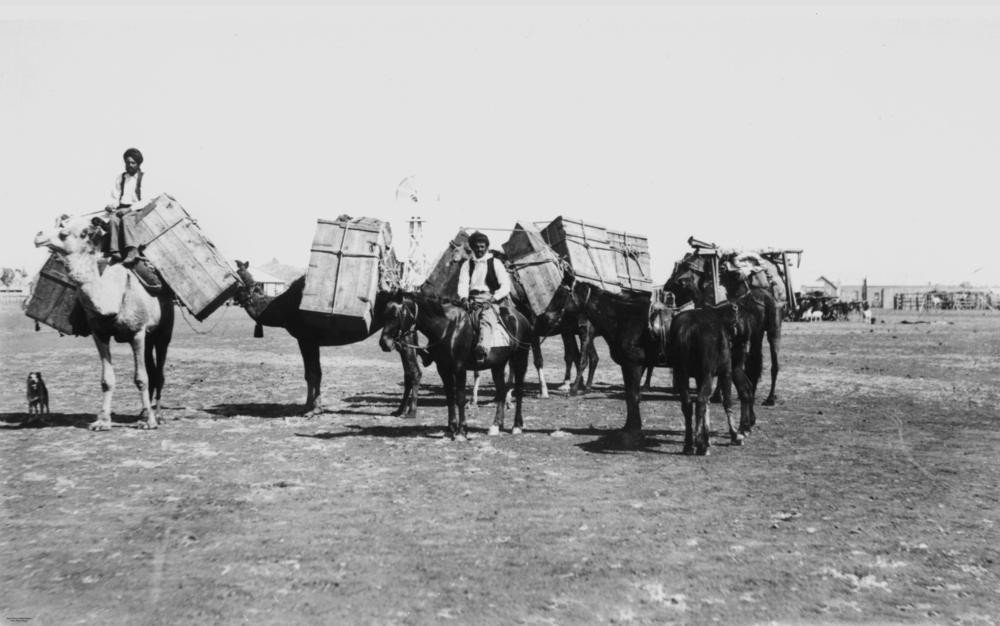
My father’s father was an Afghan cameleer.
Horse and camel team, Cloncurry Around 1904. State Library of Queensland.
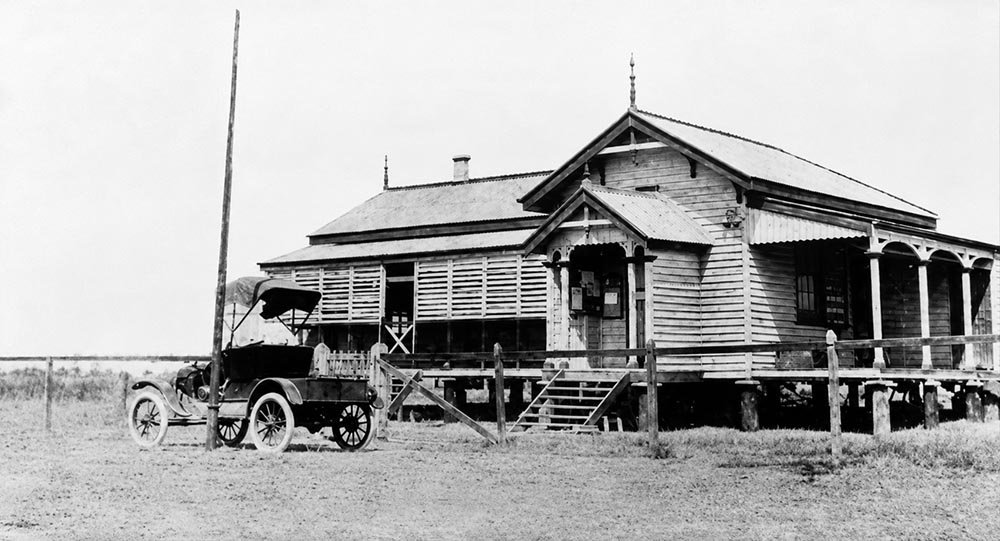
My grandmother was an Indigenous lady from the Burketown area.
The post office at Burketown 1920. State Library of Queensland.
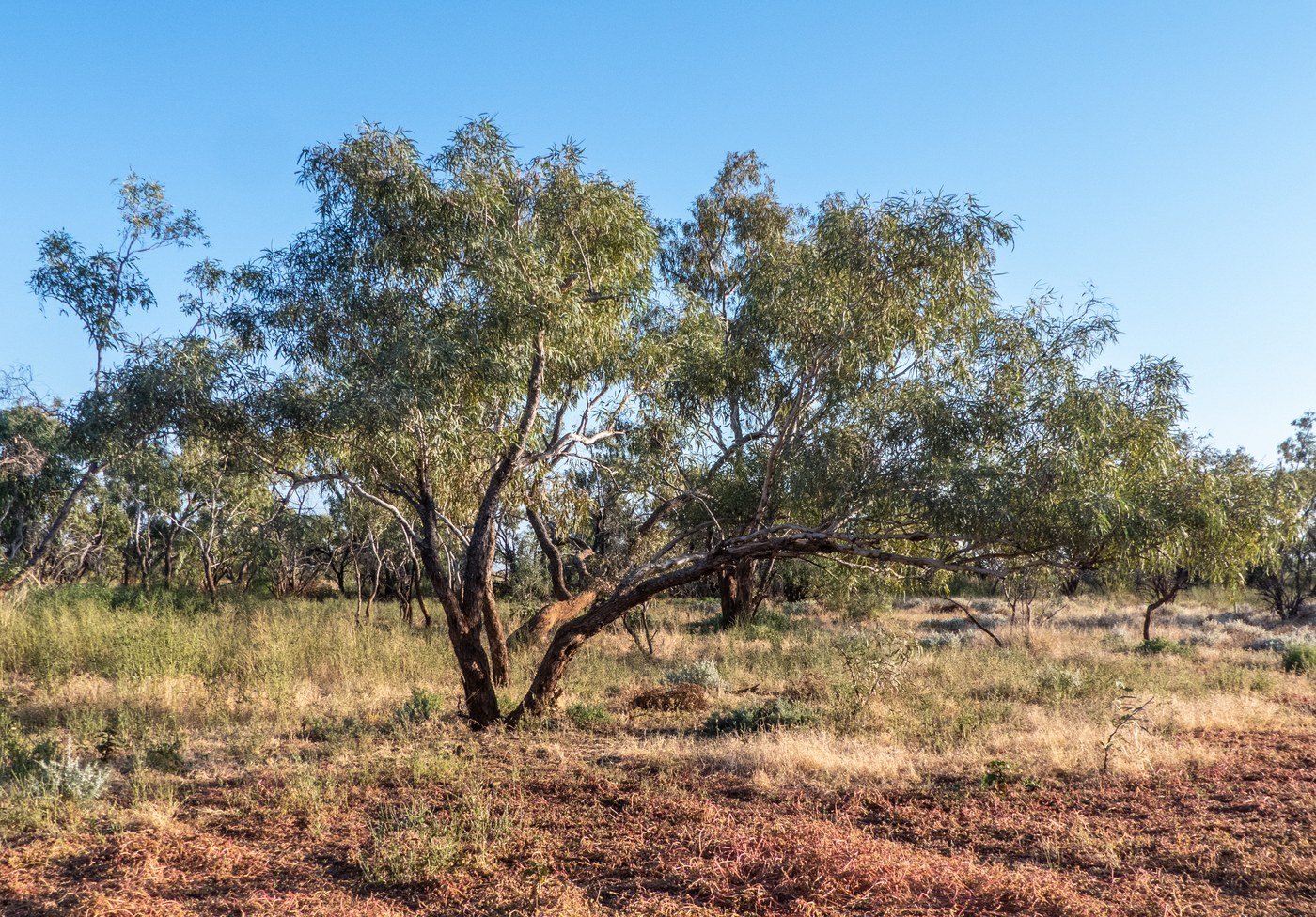
They had a baby. Because my father was not part of the local tribe where my grandparents were living, my father was left under a tree as a newborn baby.
Coolabah on the Burke River floodplain, Boulia The tree behind coolibah green, first of the eight Country colours. Photograph by John Robert McPherson.
A station manager was passing by on horseback. He noticed the baby, and he took the baby home, and he raised him.
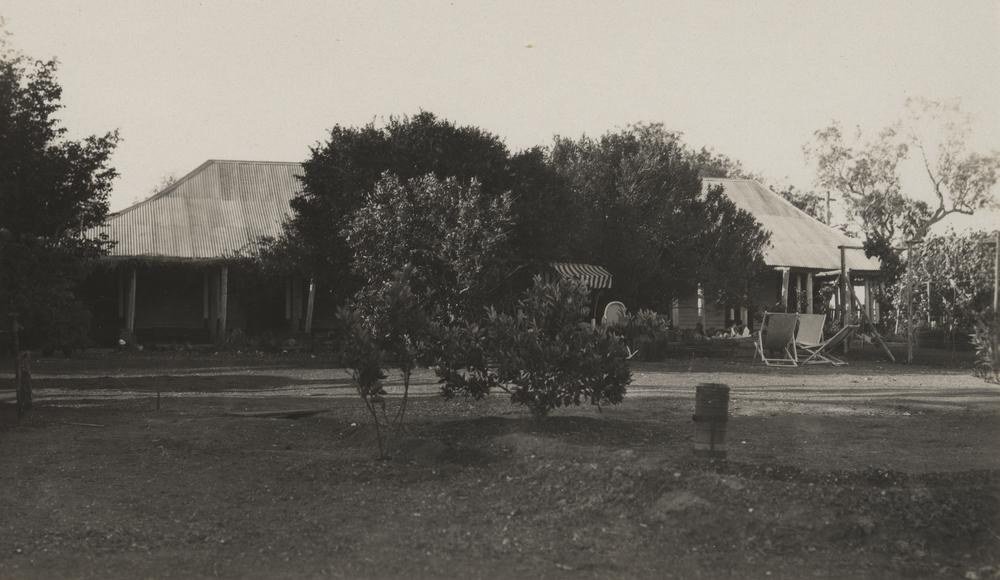
A station homestead, outback Queensland Around 1925. State Library of Queensland.
My father was not formally educated, but he was raised with good values.
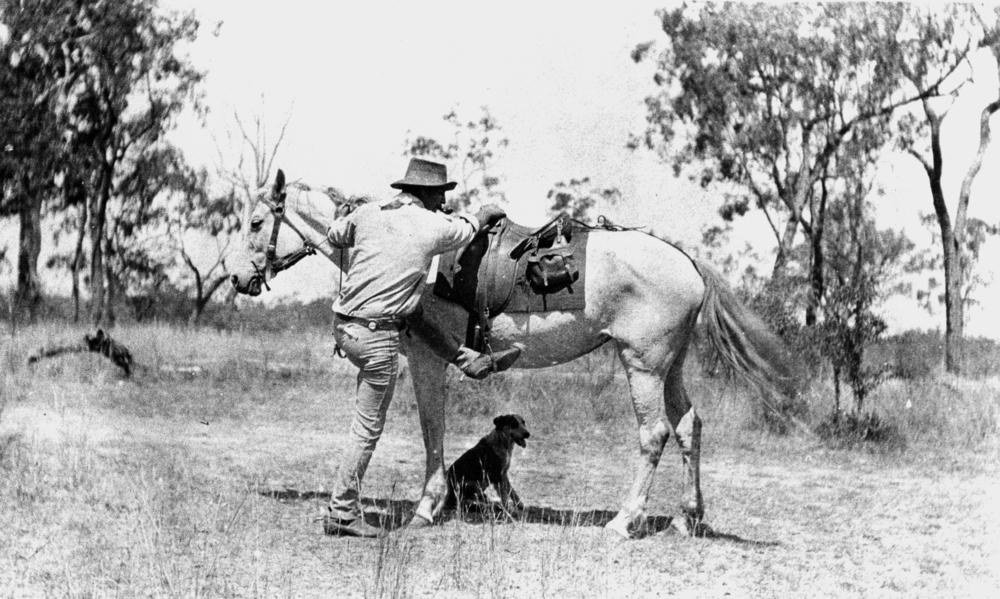
He was taught the ways of the bush. To keep clean and tidy, to be honest, to cook, and how to ride a horse.
A Queensland stockman preparing to mount Between 1910 and 1920. State Library of Queensland.
My father had a huge influence on me, and he passed his values on to me.
However, like many First Nations people, I only know part of my story.
Uncle Bill Lemson
The world of the time
Lorraine Station
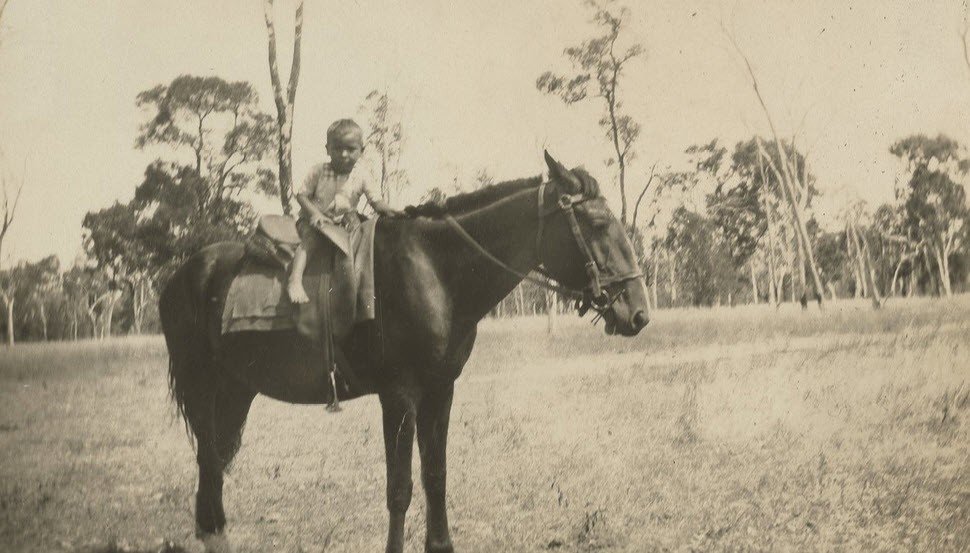
My father worked at Lorraine Station, on the Leichhardt River between Cloncurry and the Gulf. I was a boy there, and that is where I fell in love with horses. I used to bother the stockmen so much that they finally just put me on a horse.
A young boy on a saddled horse, Woorabinda, 1933Photograph by S. Smith. State Library of Queensland.
It’s not a picture of me, but it very well could have been.
Few records survive, naming who worked which Gulf station, what a day's work looked like, or what became of the pay. But the district itself was recorded, and that district was the world where my father and I lived.
I'm putting a little background here because my father worked at Lorraine, and because I was a boy among the horses there.
What Cherbourg was, how people came to be there, and what the name still means to the families whose people were sent to it.
I’m including this because Uncle Billy Gorham grew up in Cherbourg, and talked about that experience as part of his story in the Yarning Circle of 17 May 2026.
The years when the machinery of the State reached into daily life, shaping what could be said, where people could gather, and what could be done to them.
Uncle Billy Gorham spoke of those years in my Yarning Circle, and I lived through them myself.