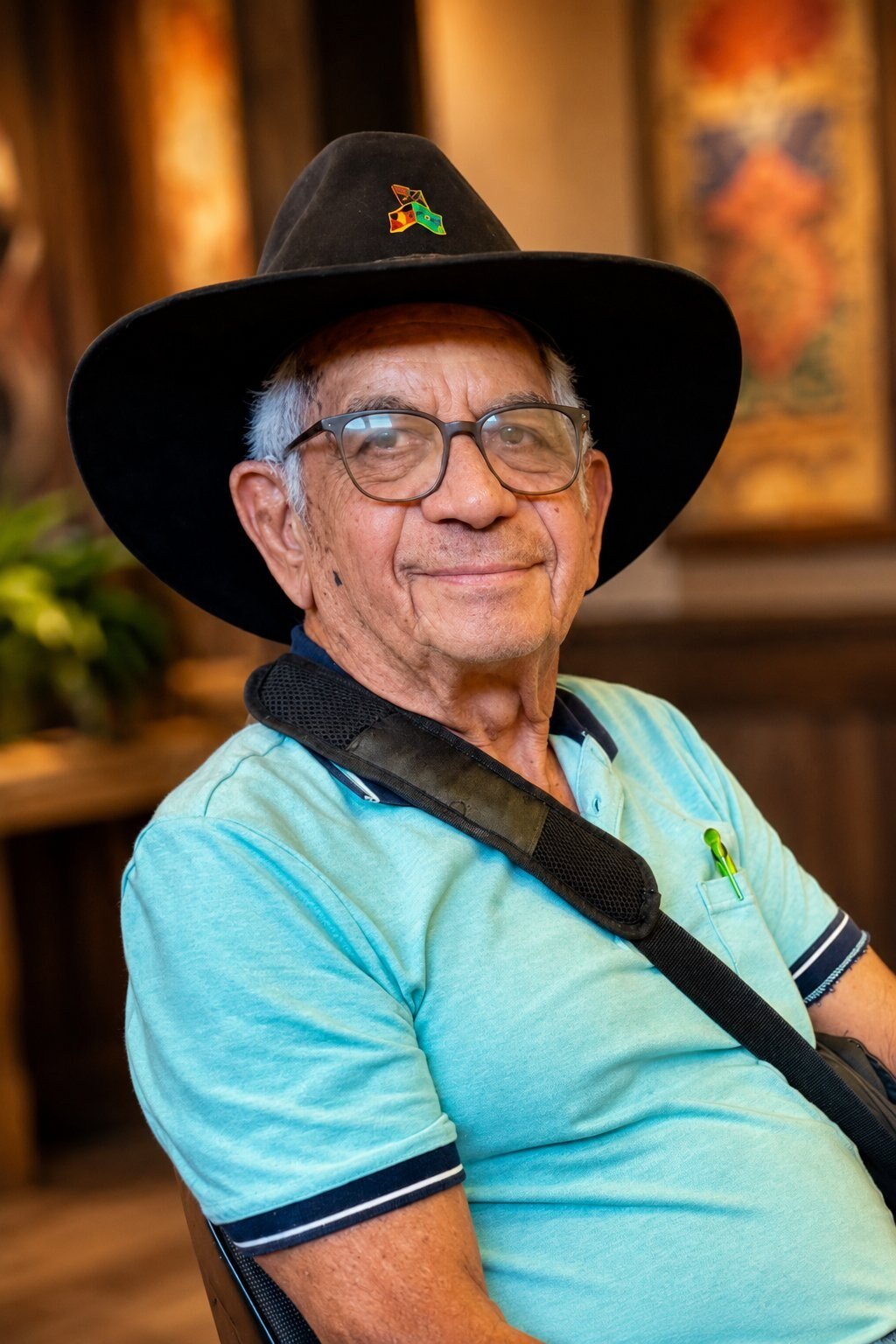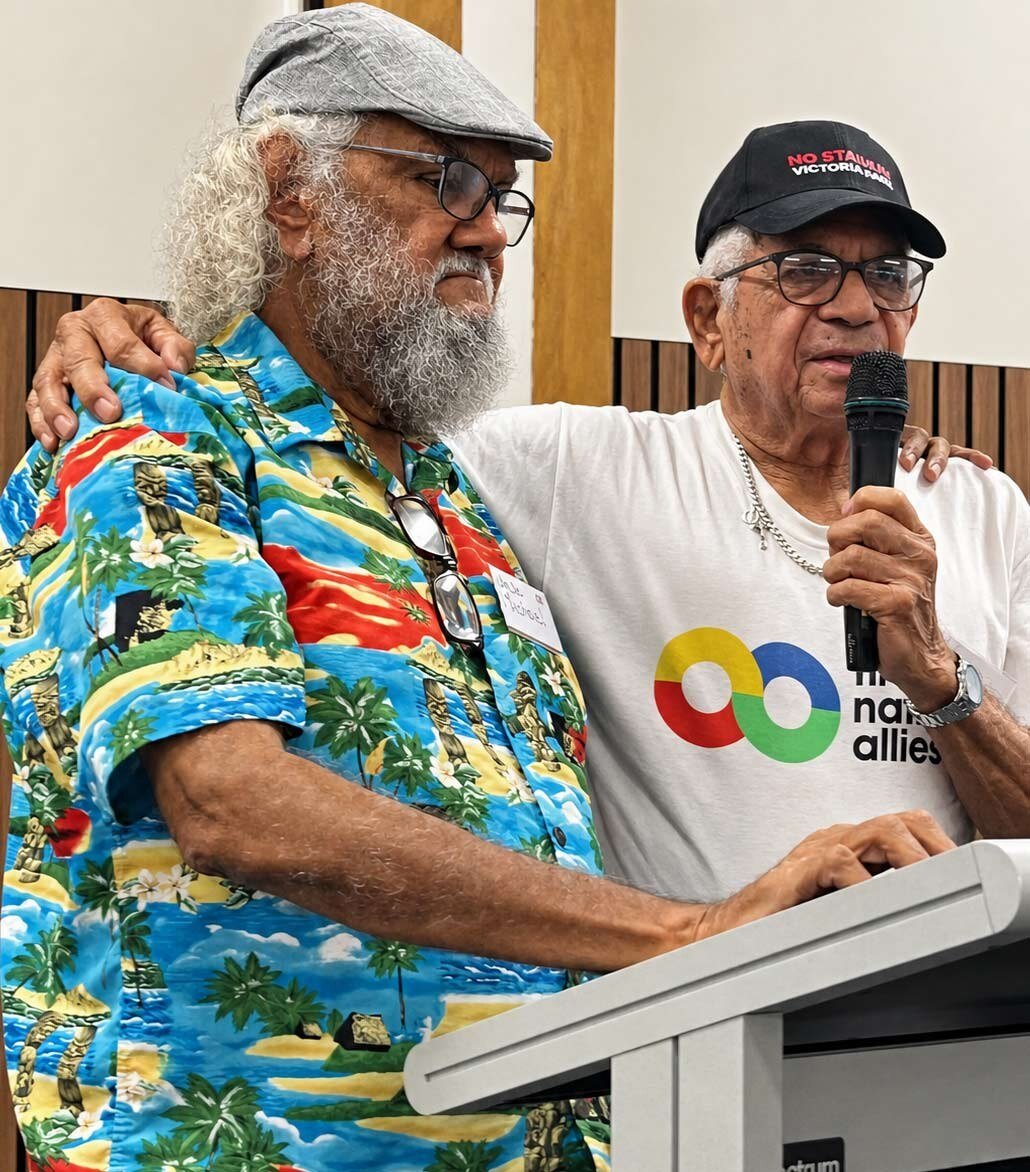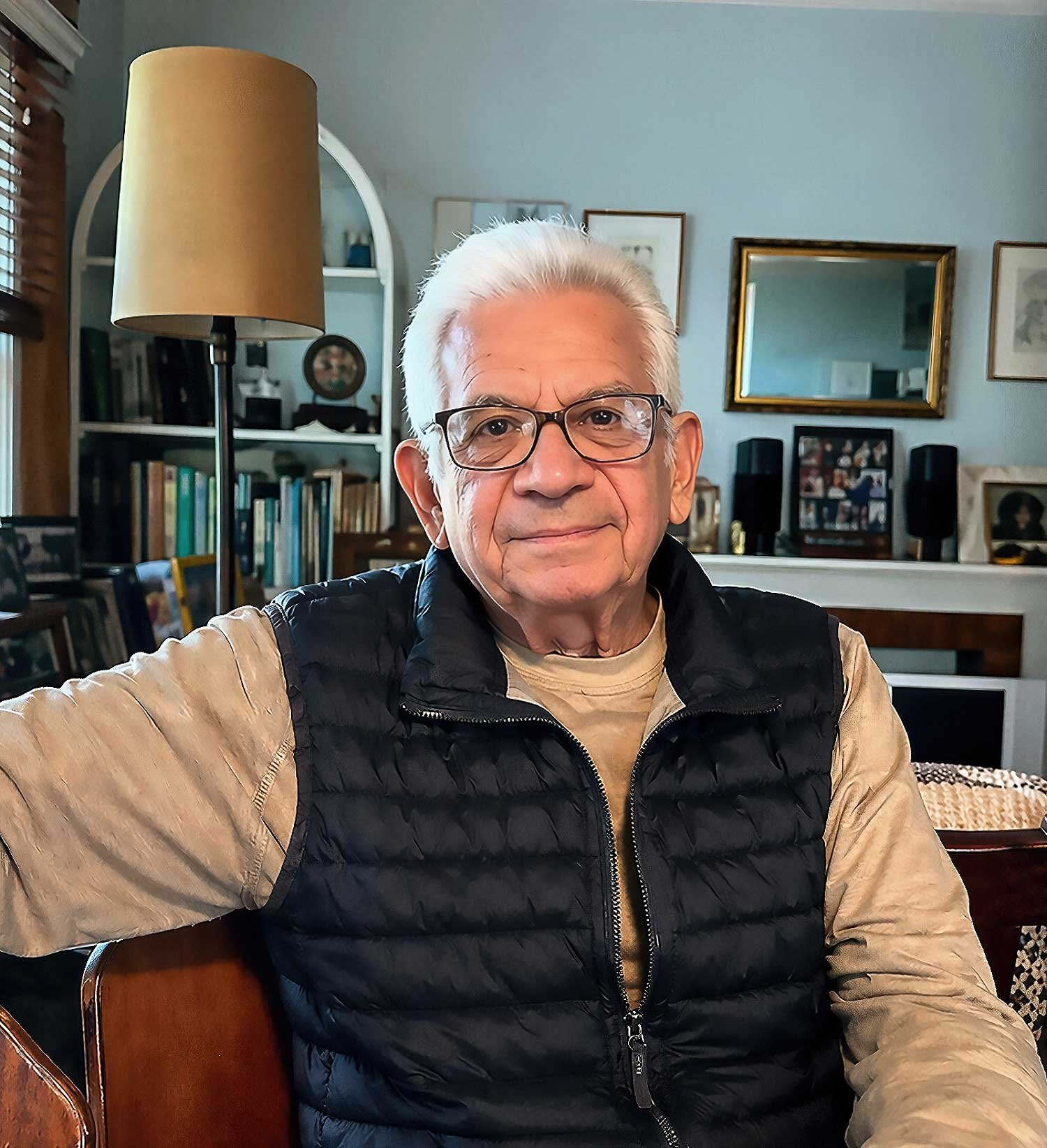
My first day at school was also my last. I was five years old. Along with two other Aboriginal children, I was sent to the head teacher who, for no reason we knew, caned us. I felt the pain, watched my hand swell, and I bolted. I never went back.
When my parents broke up in 1955, my mother took us kids from Cloncurry to live with her parents in Charters Towers. But I wanted to be with my dad. Eventually, I did get back to him, and at the age of twelve, I started work on the cattle station where he worked. I was a “cow boy”, meaning I milked the cows and did all the bits and pieces jobs about the place. During my teens, my dad taught me how to handle a grader, and also a bull dozer.
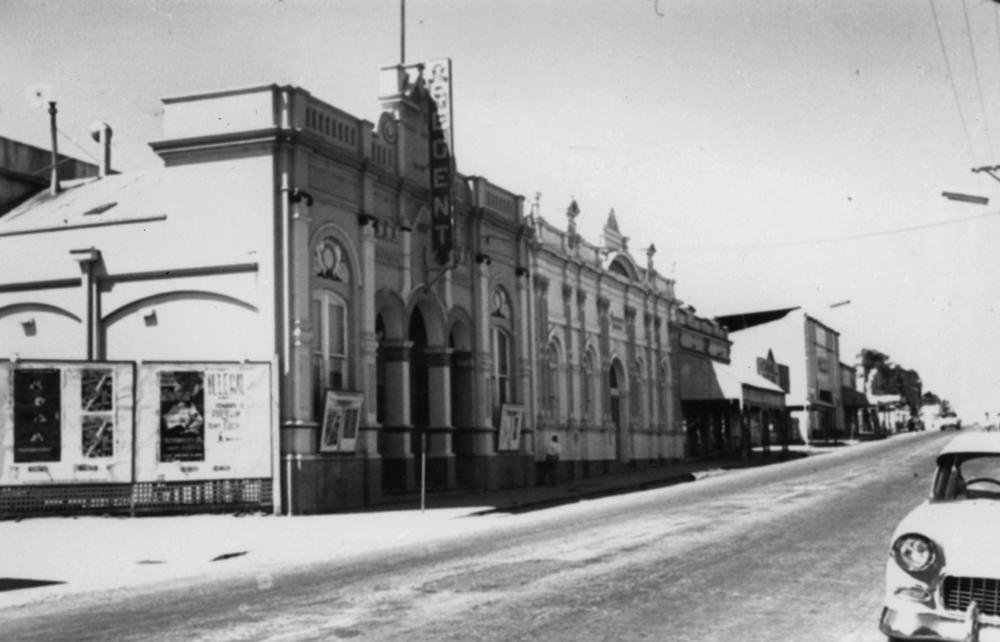
At fifteen, I started to get close to a girl I’d known for a while, but who now became special.
Life on the station was quite lonely, and my girl wanted to go back to her home town, Mt Isa. We made the move, and I got work with Theiss Brothers, contractors to Mt Isa Mines. When I was twenty-one, we got married, and had a family of four: three girls and a boy.
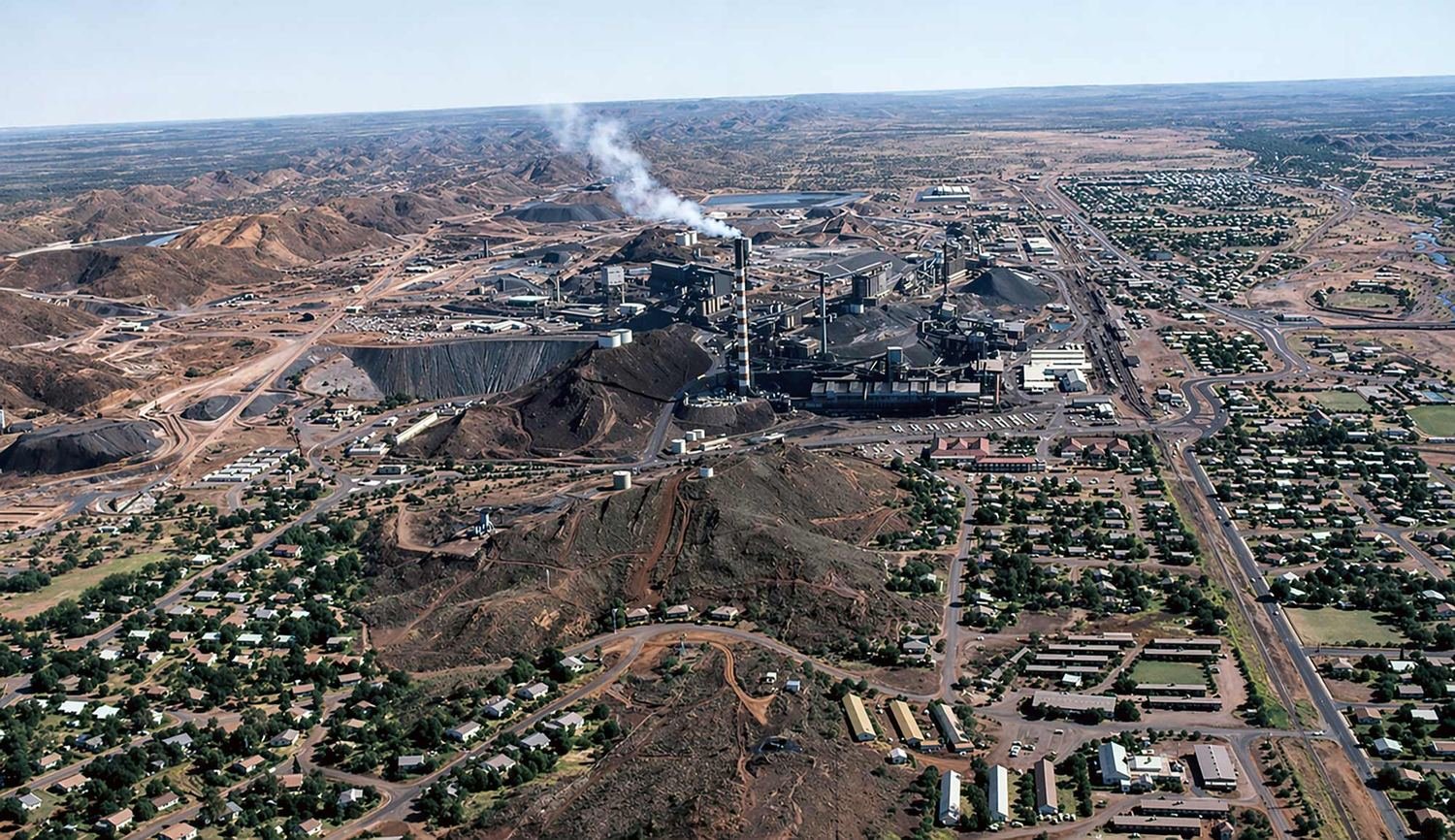
I moved on to a phosphate mine where I was seen to be a potential supervisor, but I was illiterate, so they sent me to Brisbane to plug that gap.
During that time, I was involved in moving a bulldozer on a floater from Mt Isa to the Kimberley. Driving in the pilot car with a company man, I listened for five days to Bible stories, and his commentaries. Some time later, one of the miners was very sick with diabetes, so when it was suggested that we pray for him, I joined in. Charlie’s amazing improvement convinced me of the power of prayer, so in 1970, I began to embrace Christianity.
Alcohol had always induced a false sense of confidence, but it was beginning to take its toll on me. I decided to live by the values Jesus taught, and stopped drinking. Sober, I began to see what was going on, and decided to live the teachings of Jesus.
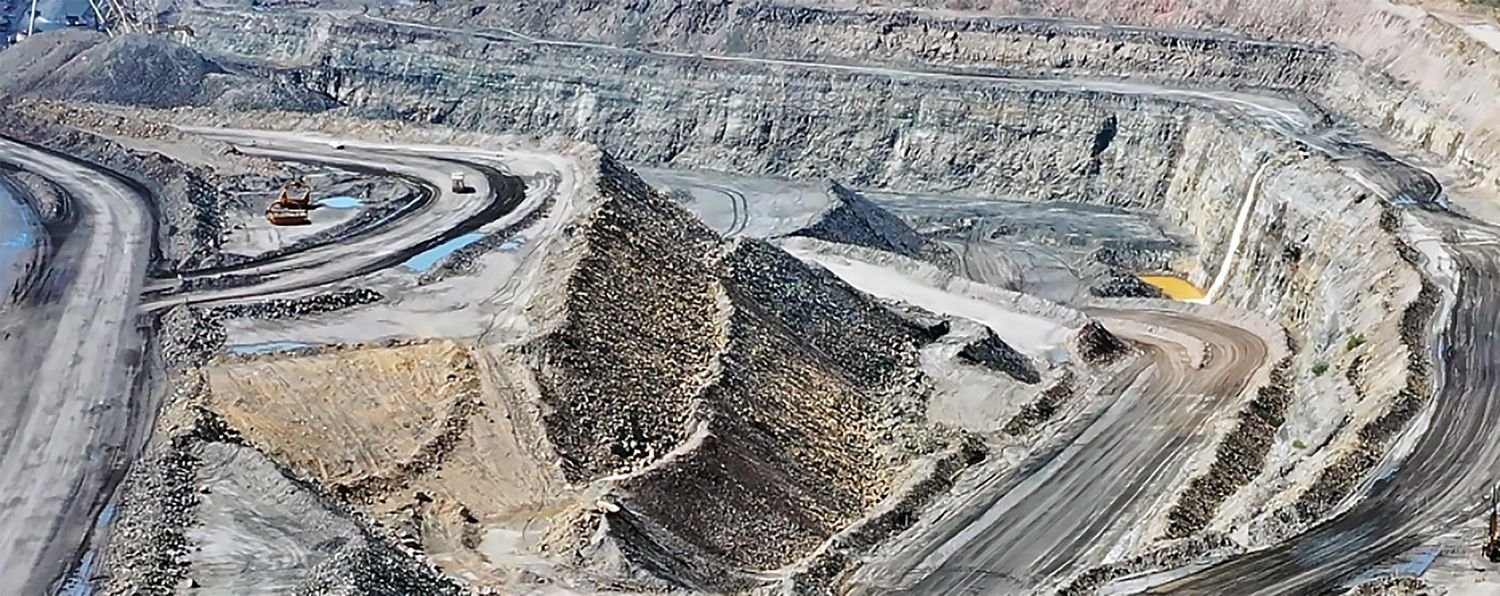
The phosphate mine closed down and I moved to Collinsville to work at the open cut coal mine for some years. When I retired I went to Brisbane.
I discovered that there were many more Aborigines around than I had realised, and that there were activists working for social justice and an end to discrimination. Working at the station, and at the mines, I was not aware of any discrimination — we were all men working together.
I did witness police brutality in Townsville, and once in Melbourne I experienced discrimination, but over all, not much. Now, I started to learn more about my people, both the culture, and the darker, post-colonial history, the massacres and the dispossession.
In 2011, my brother found me. He was one of the stolen generation, taken from our mother as a baby, on the grounds that she could not care for him, even though she was living with her parents.
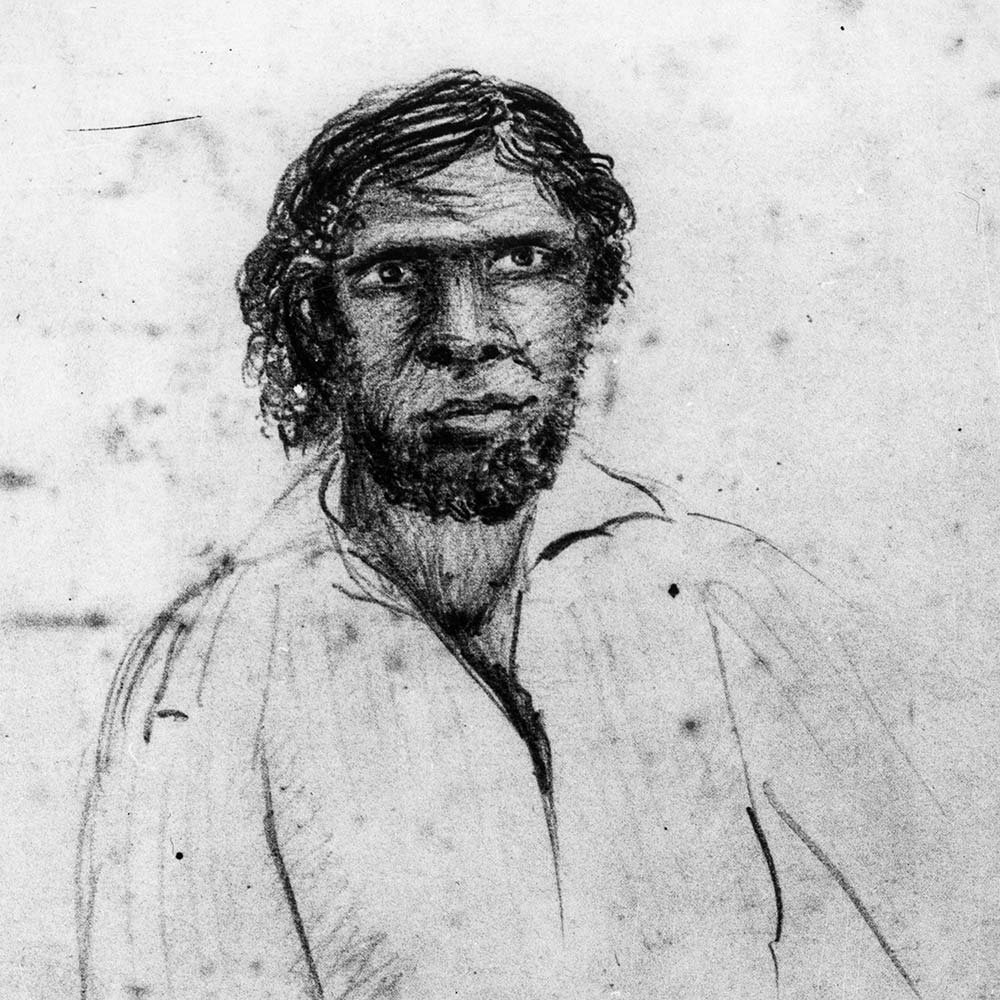
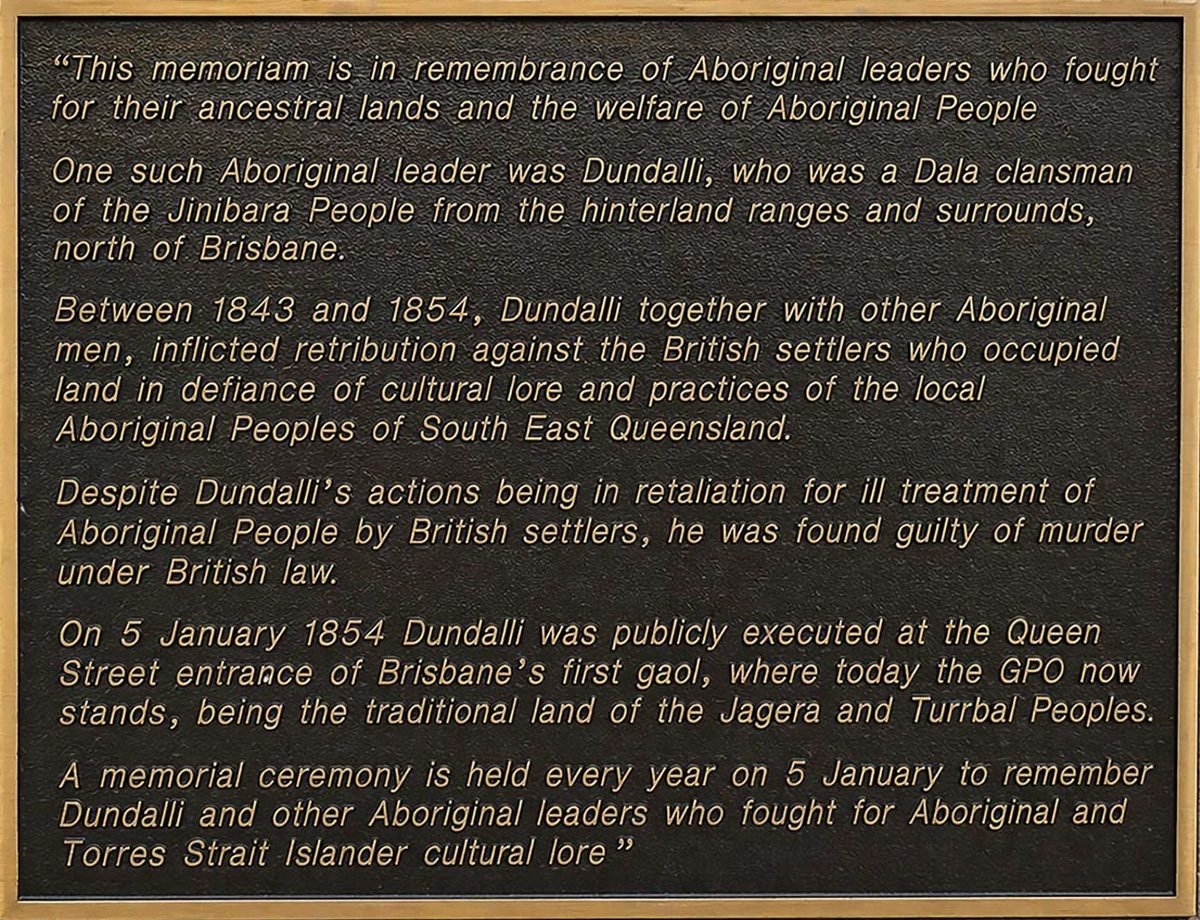
I heard about Dundalli, an inspirational hero, a general for surrounding tribes who campaigned in the 1840s and 50s for recognition of his people’s humanity, including women, and justice. He was hanged in the old gaol. There is a commemorative plaque at the Post Office. Brisbane’s history would be more complete if he was publicly recognised as a fearless leader. This is something on which I am working.
I have found that the values of Indigenous culture mesh very well with those of Christianity, sharing, helping those in need and the importance of community. So I take young Aboriginal men under my wing to help them lead a better life.
My Christian faith eased my bereavement when I lost my wife, my son and my brother, through the promise of the resurrection, and their release from pain. My faith brought peace.
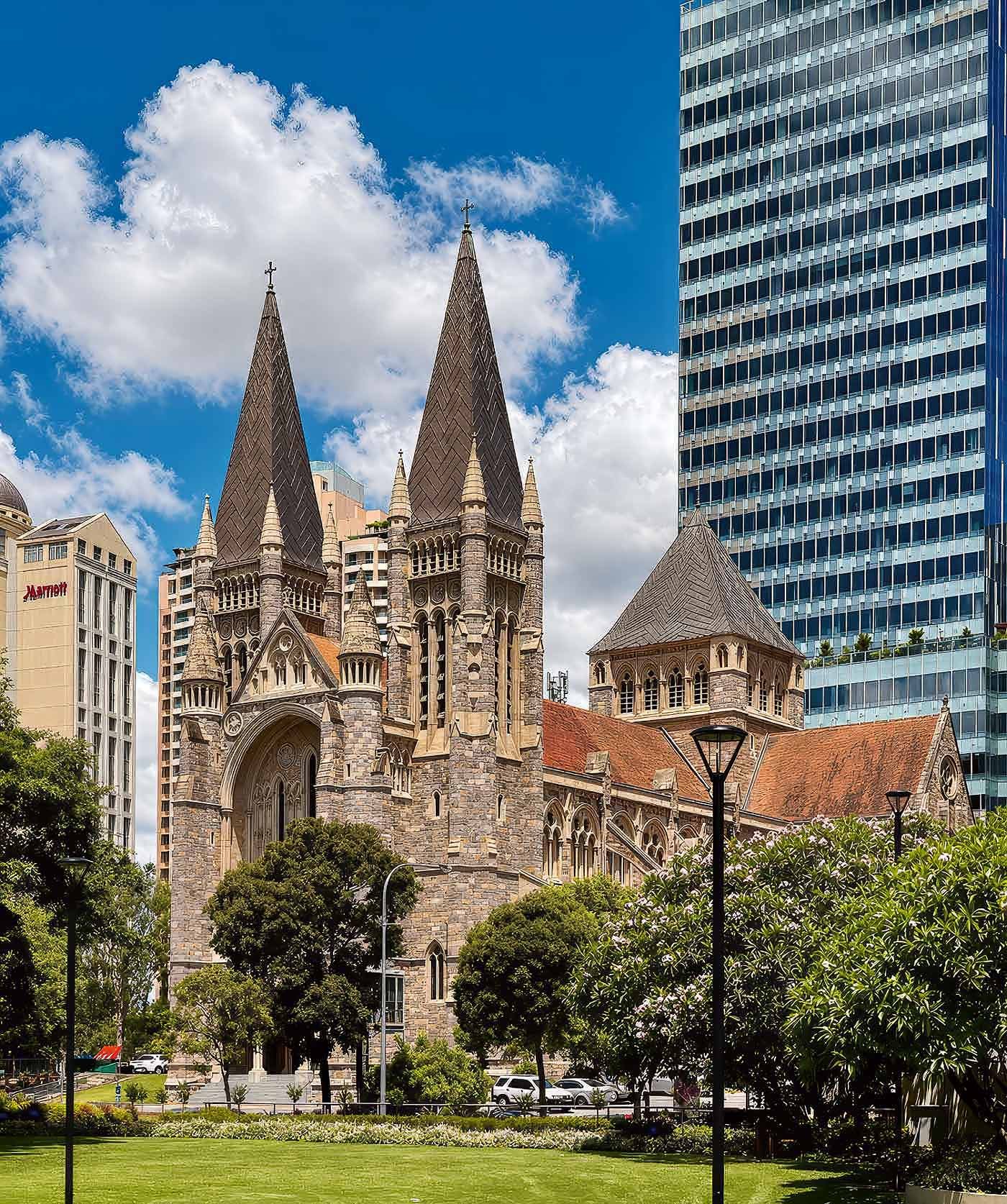
Church attendance matters. I quite enjoy the ritual, but it doesn’t shape my thinking. The Eucharist brings it all together. For me, Communion means being Christian, because Communion is also community.
If something in this story has spoken to you, you can write to me at connect@unclebill.online.
I do read and follow up on messages sent to me.
Where I come from stands behind all of this.
Read Where I Come From