
Image Credits
Using images from this site
The photographs on this site were taken at gatherings I hosted or attended. The people in them agreed to appear here, on my website. That agreement does not extend anywhere else.
You are welcome to share any page here by linking to it. Please do not download, copy, screenshot, or crop the photographs and put them somewhere I did not choose, including Facebook, Instagram, WhatsApp, newsletters, or print. If you would like to use one, write to me and ask. Permission is often given, and it takes one email.
I keep the credits below in one place so they stay accurate. If you believe an image here is yours and is not properly credited, or you appear in one and would rather not, use the form at the foot of this page. It comes straight to me, and I will correct it, or remove the image promptly if that is what is needed.
The Home Page
The photographs behind the four coloured door panels on the home page, in the order they appear.
-
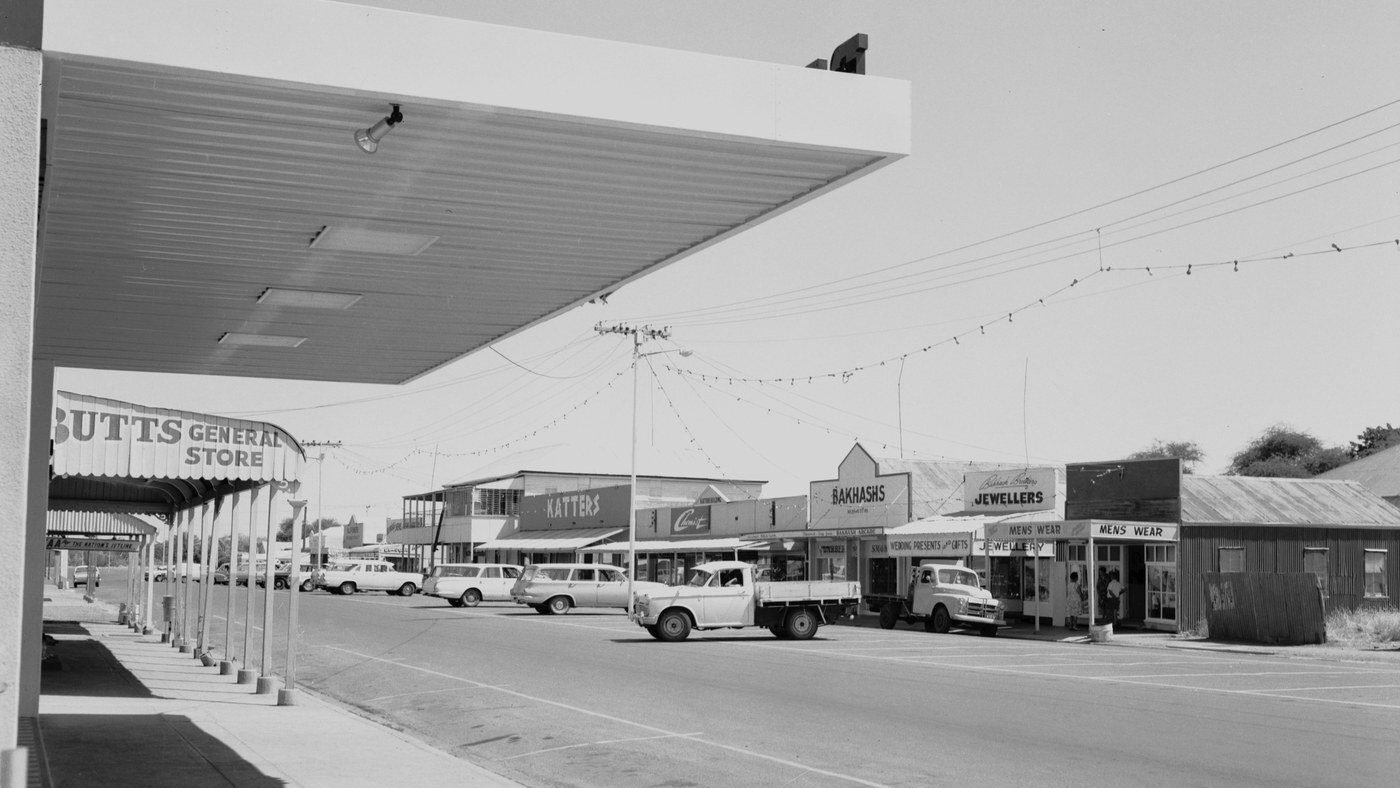 Ramsay Street, Cloncurry, February 1966 (My History panel)
-
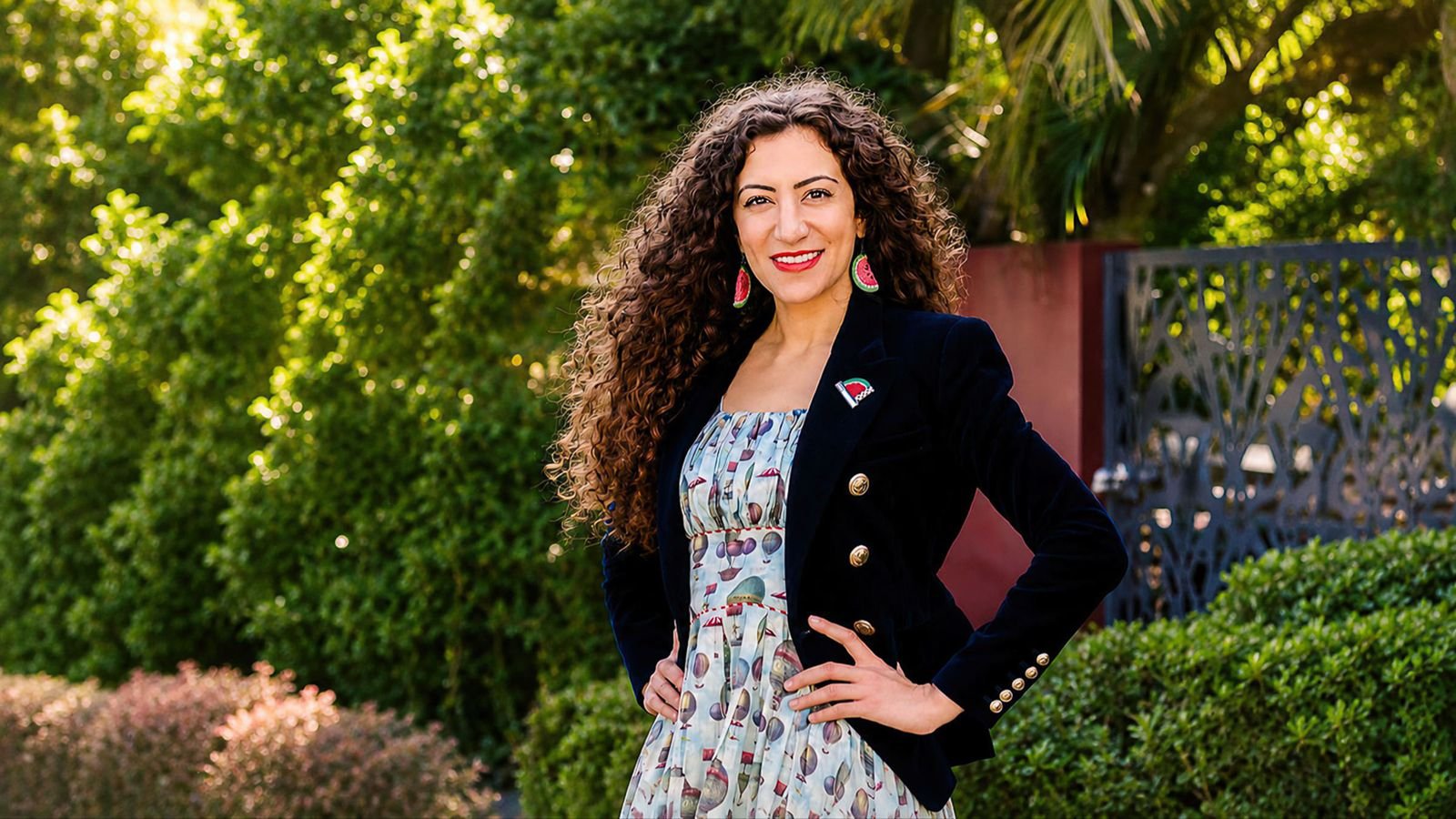 Remah Naji (Yarning Circles panel)
-
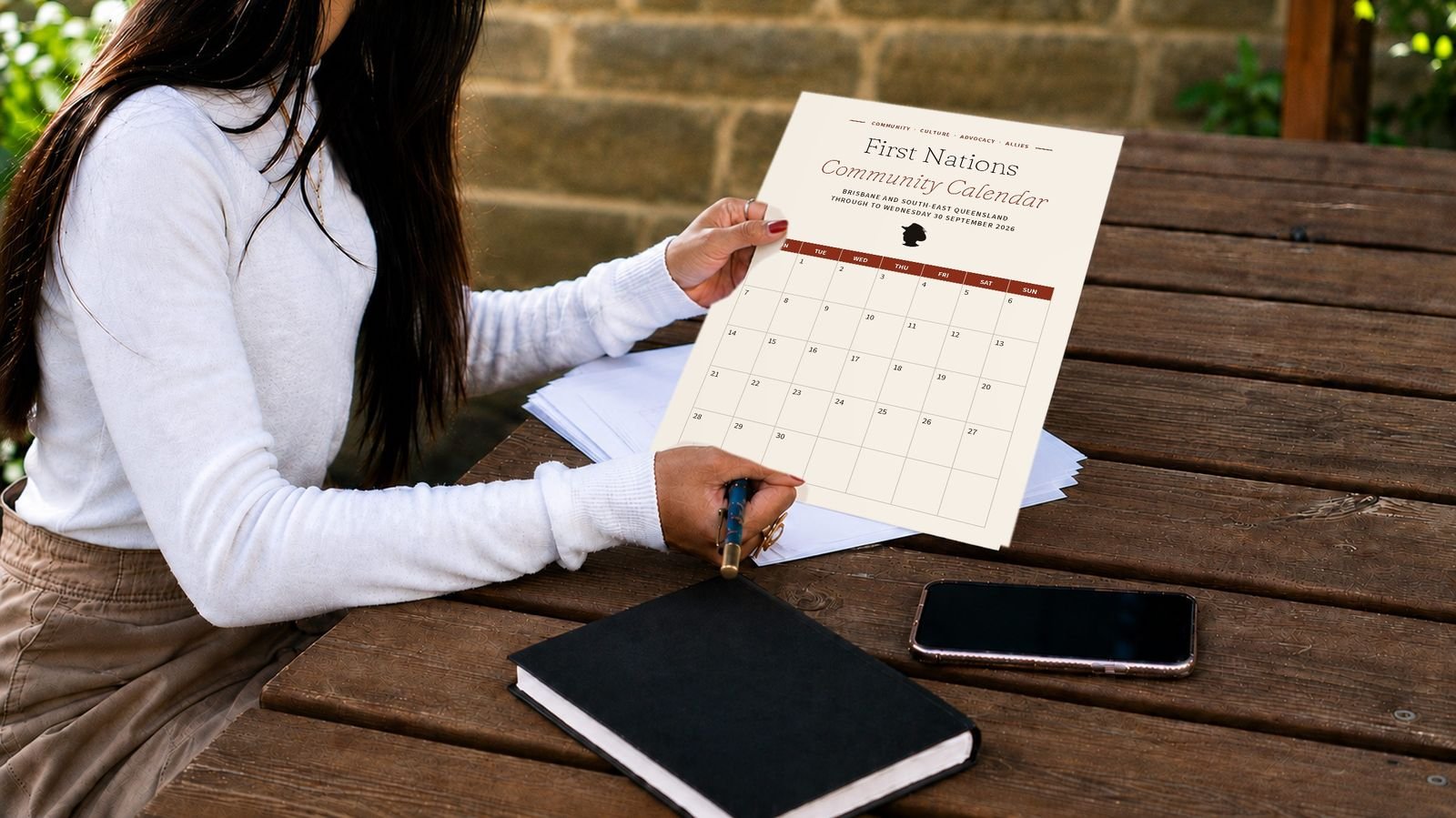 Consulting the Calendar (First Nations Community Calendar panel)
-
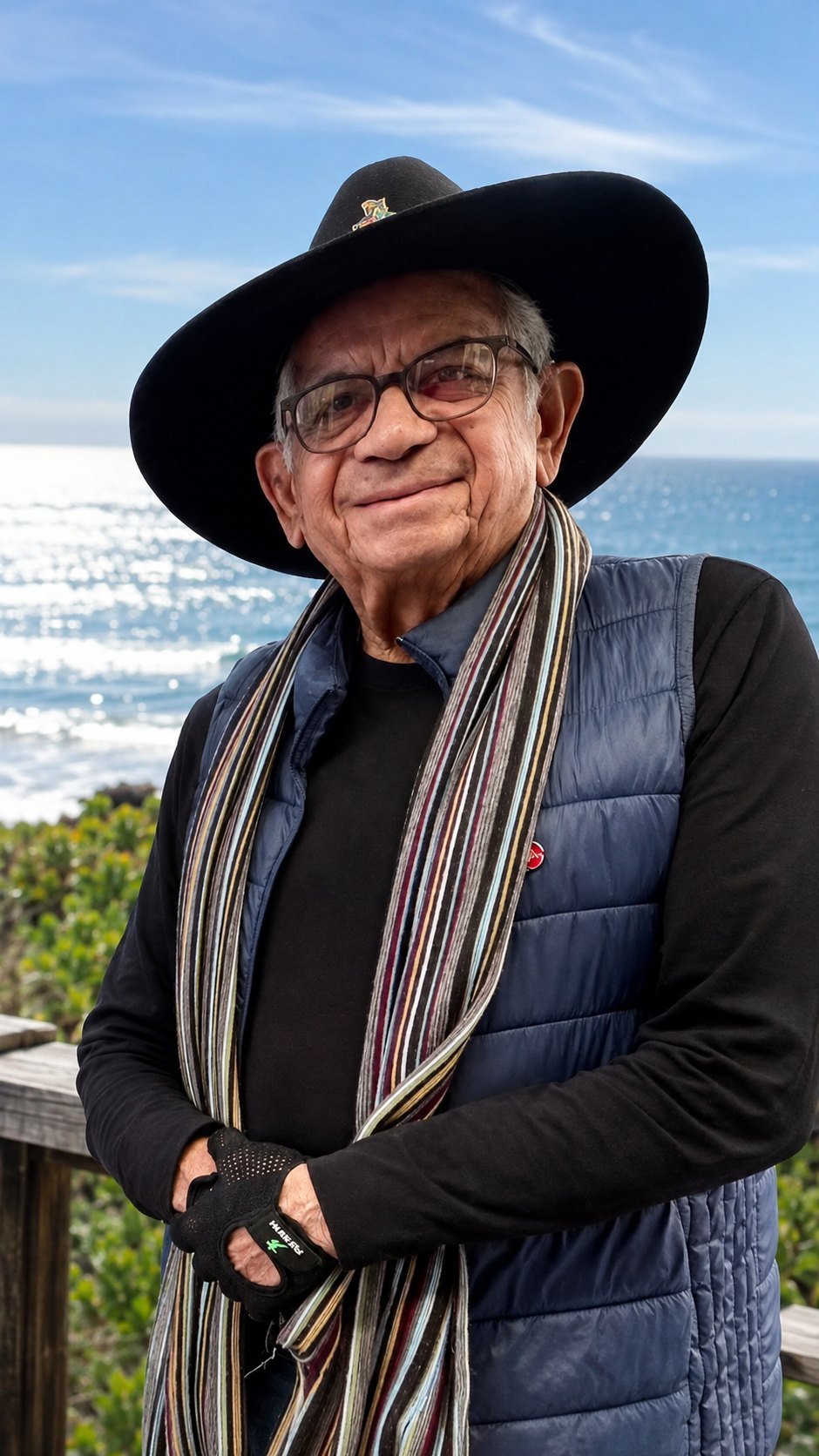 Uncle Bill by the ocean (Stay in Touch panel)
Photographs of me, and of the Yarning Circles
My portraits, the photographs of Yarning Circles and community gatherings, and the images in the reports of those mornings, are our own.
Philippe took many of the photos, and his images, or those taken by participants in the Yarning Circles, are used with permission; they belong to me and to the communities in which they were made.
Colours from Country
The images illustrating the palette on Colours from Country are credited individually below. Where a licence requires it, the licence is named and linked, and any slight adaptation we may have made to the image is stated. Note: none of the images here are AI-generated.
We exhibit here the eight colours we have deployed as a colour-scheme for the site drawn from the Country of my birth, early years, working life, and the stone beneath, each colour image-source traceable to a named photographer, a stated licence, and a true place.
The 'colourbar' present on this and nearly every page is thus not merely decorative; it is an evocation of Country.
-
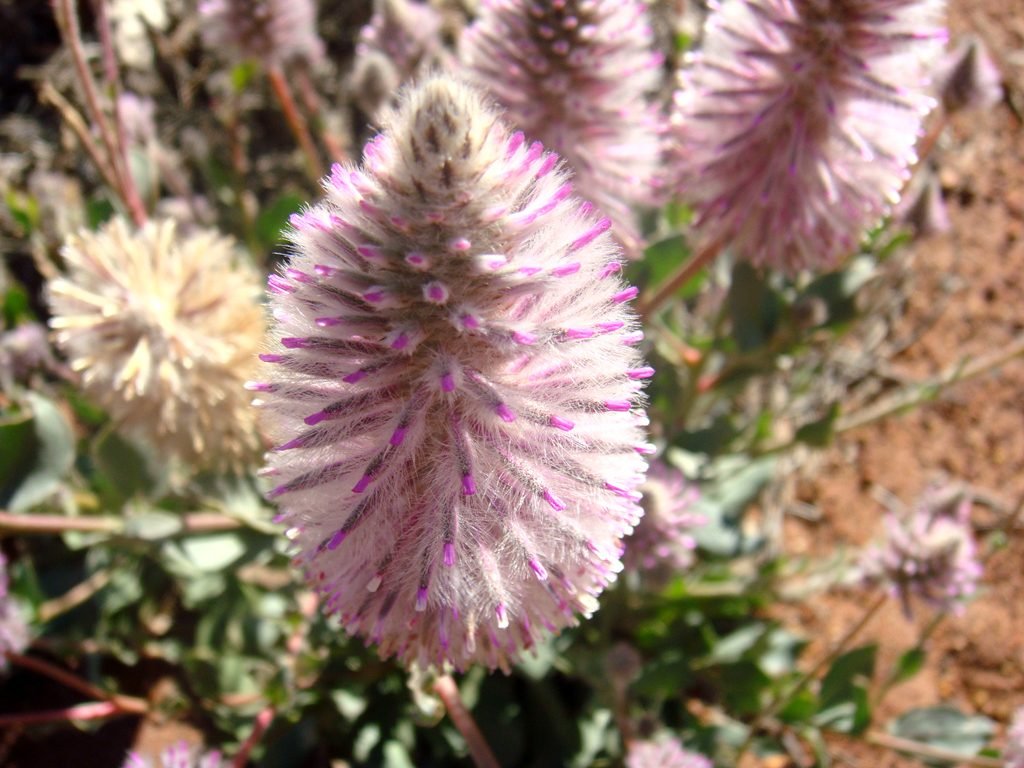 Mulla mulla lilac: pink mulla mulla in flower
-
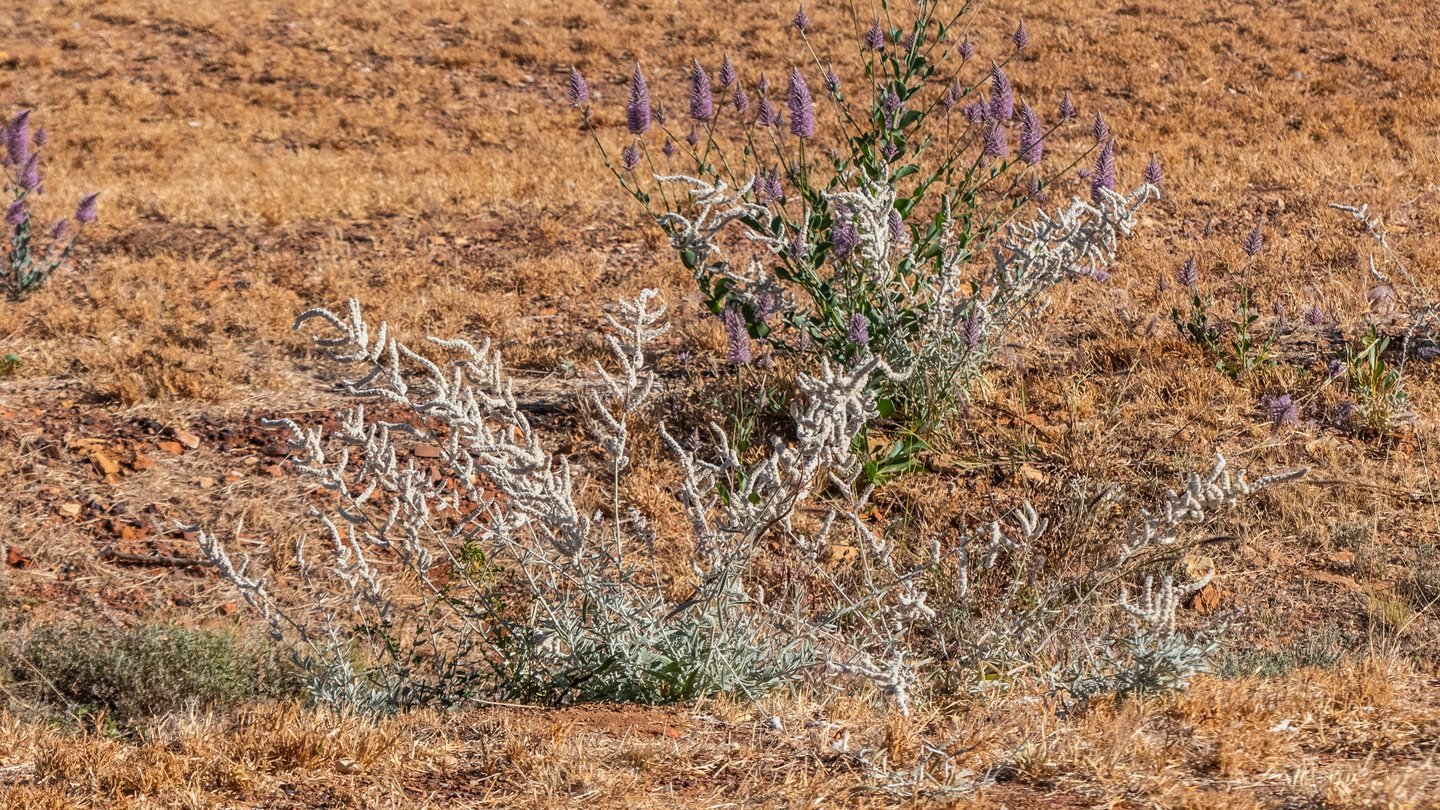 Warm cream: kapok bush among the dry grass, Mount Isa
-
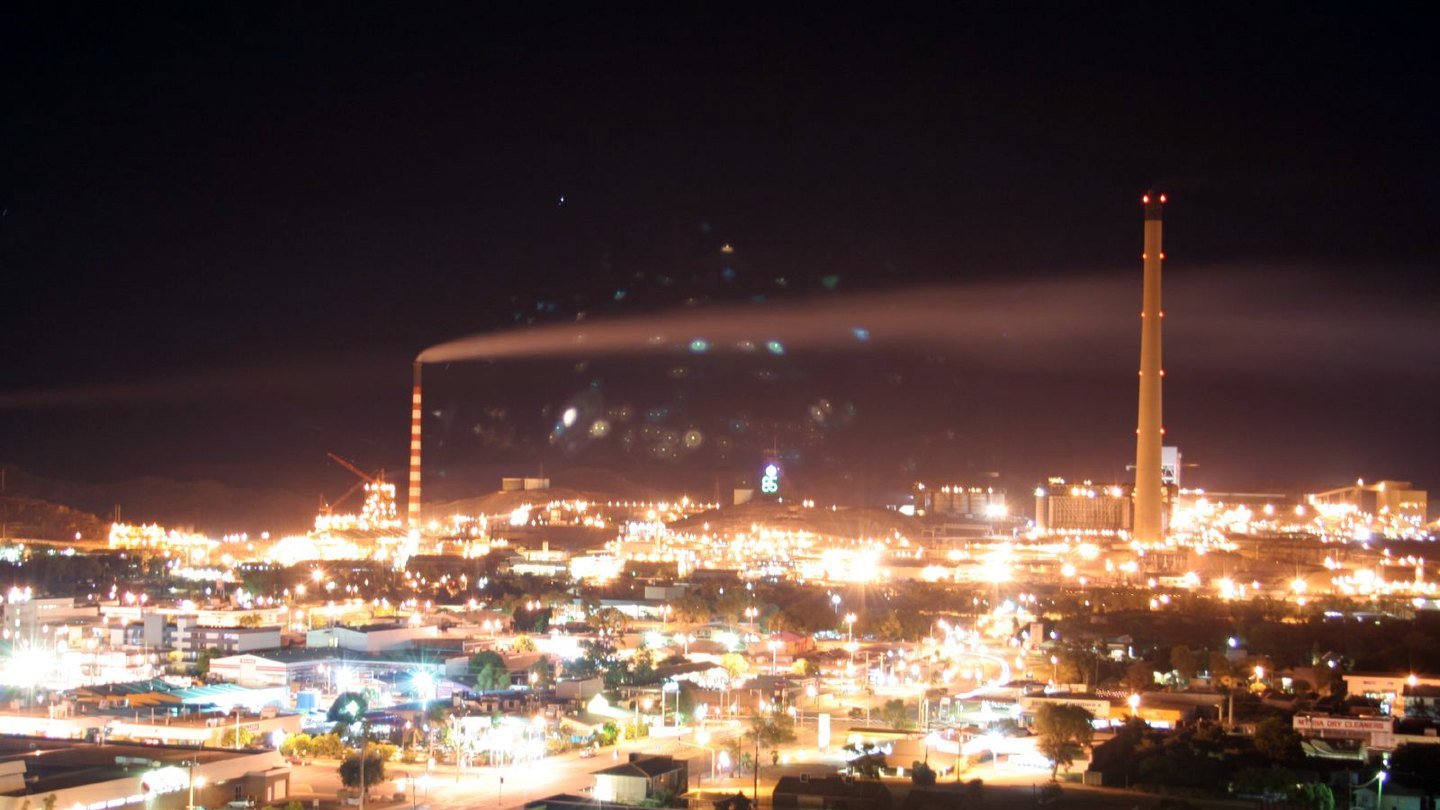 Deep ink: Mount Isa at night
-
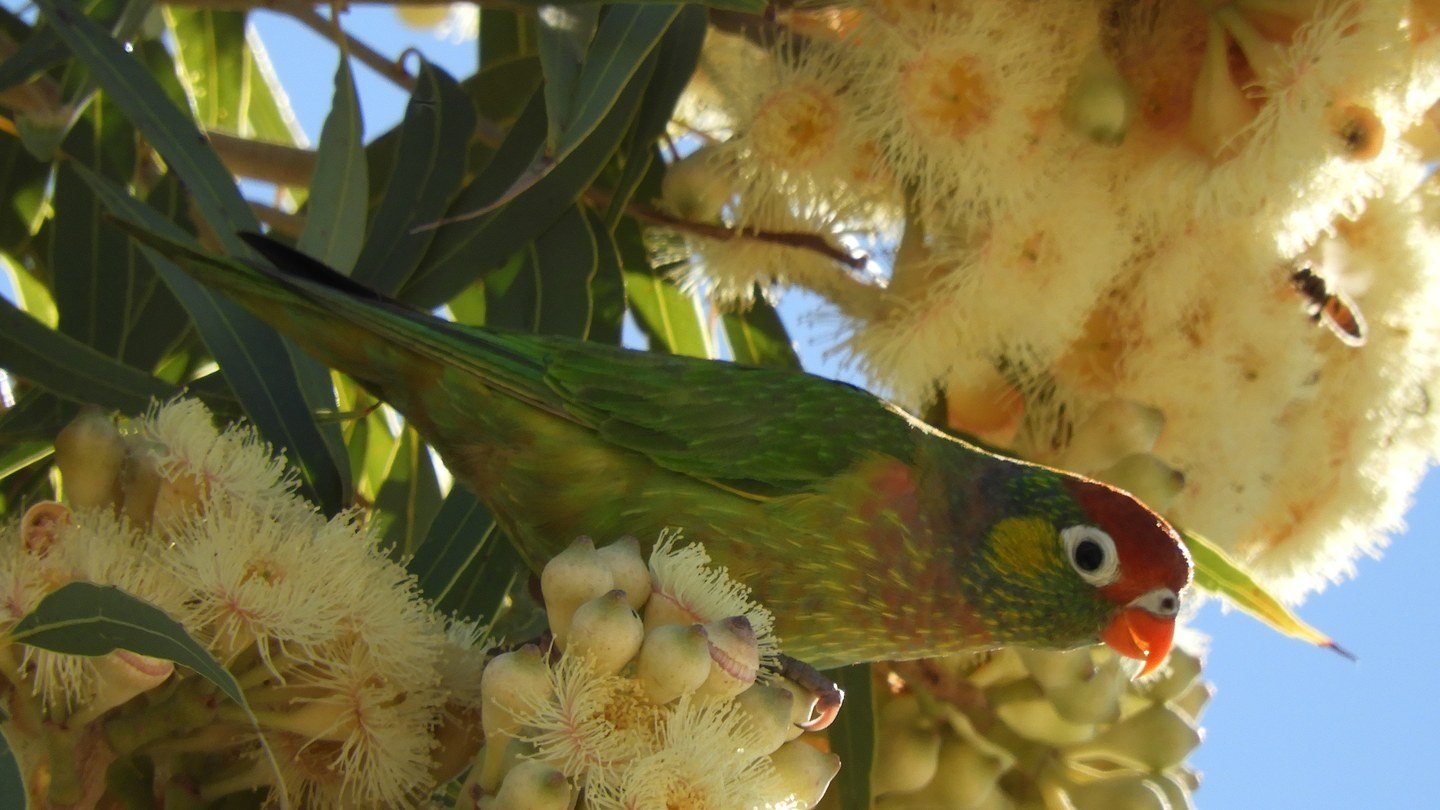 Coolibah green: a varied lorikeet in flowering gum, Cloncurry
-
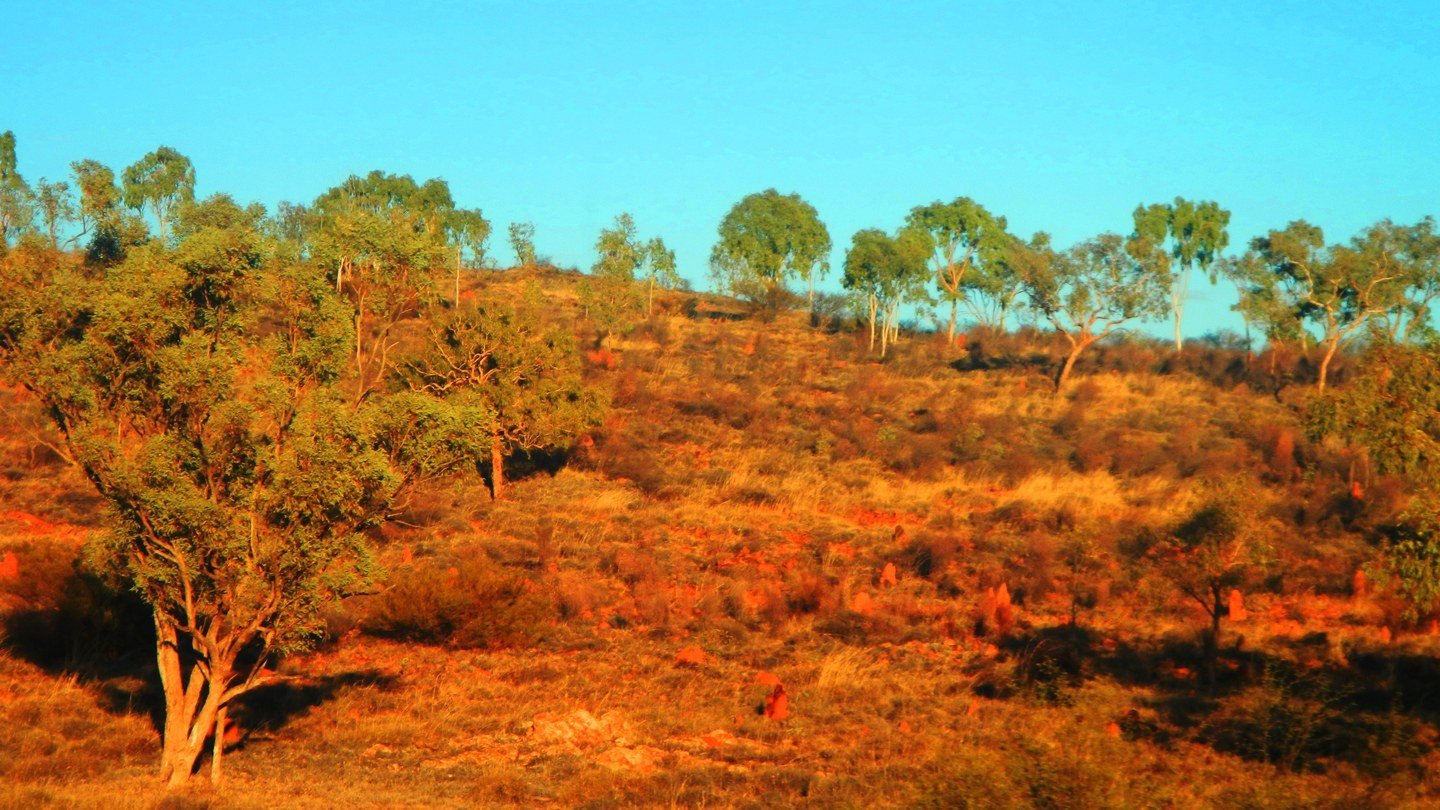 Yellow ochre: a hillside in first sun, Mitakoodi country
-
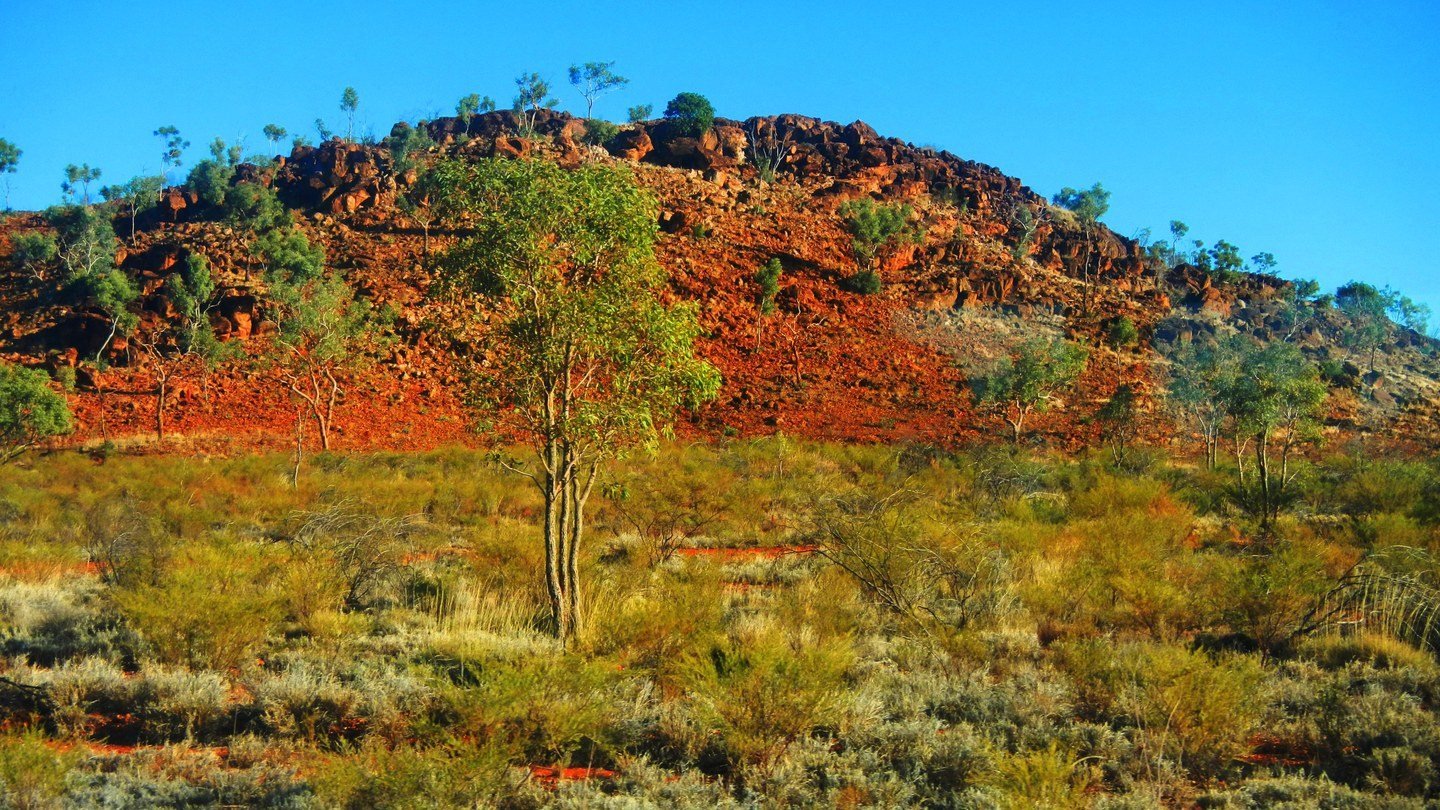 Terracotta dust: weathered stone near Duchess, Selwyn Range country
-
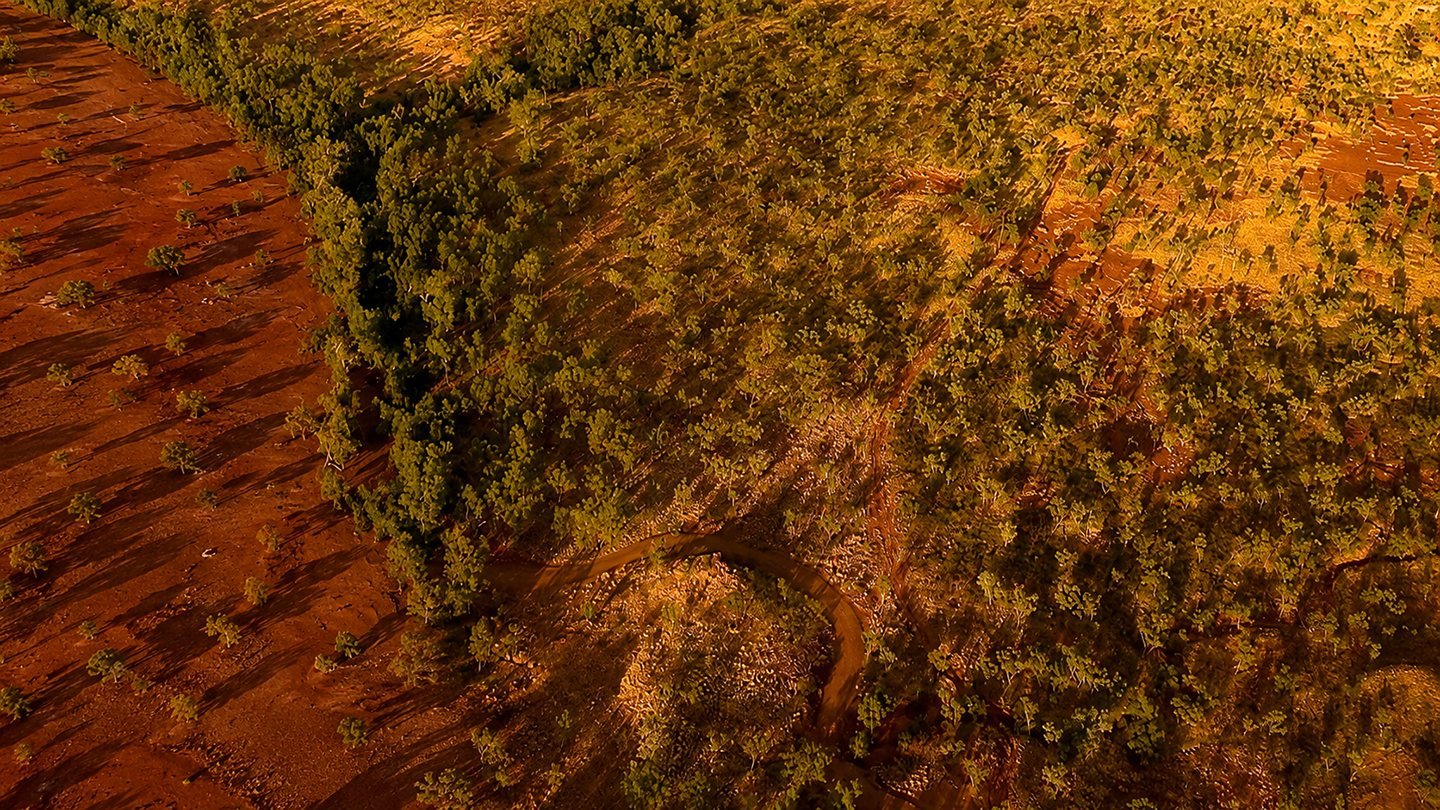 Earth red: Cloncurry country from the air
-
 River blue: the Cloncurry River at the Taldora crossing
-
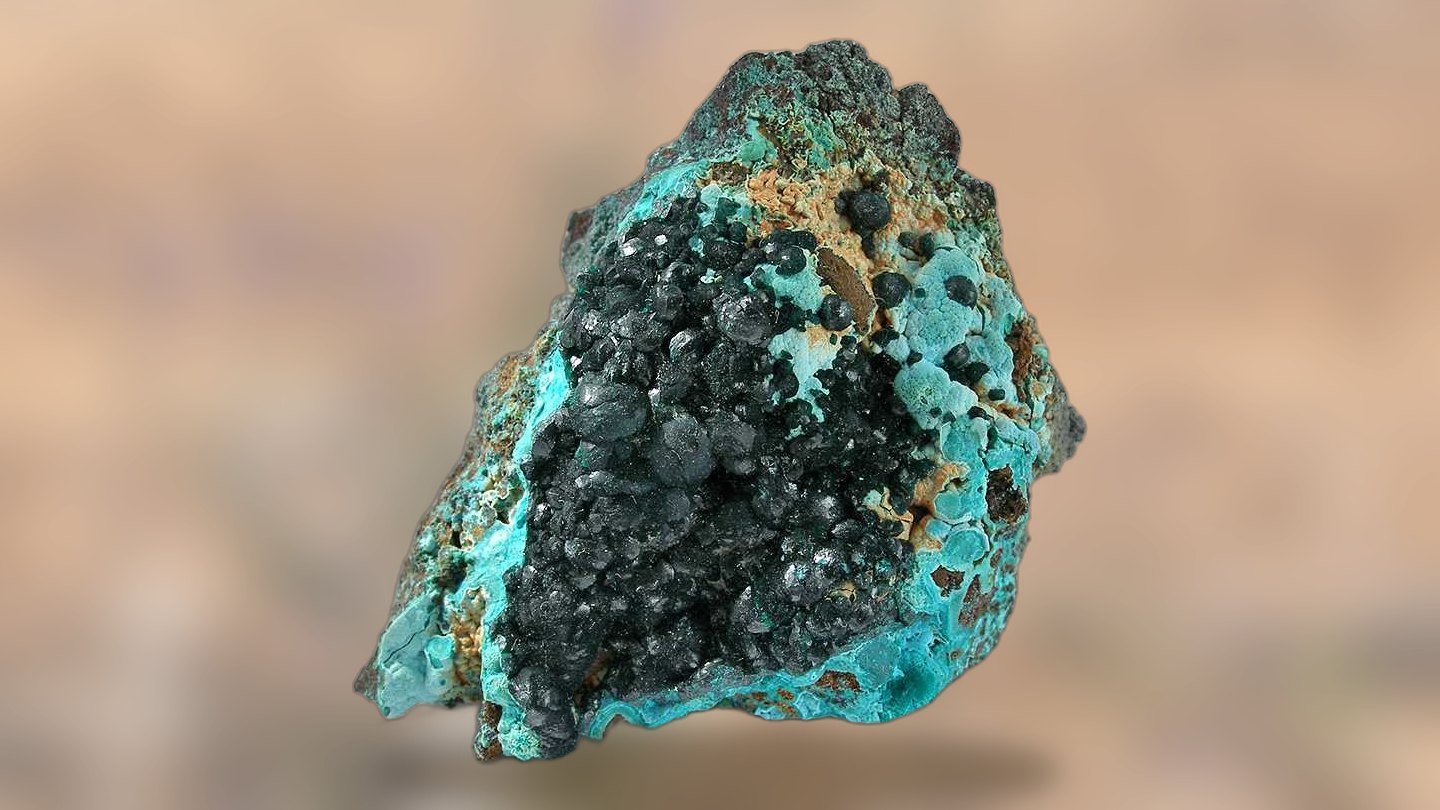 Copper green: pseudomalachite and chrysocolla, Mt Glorious Mine, Cloncurry District


Elsewhere on the site
Illustrations and historical images used in the History chapters and through Keep Walking are credited on the pages where they appear.
The photograph of the Somerset Trail at Mount Mee, in D’Aguilar National Park, heads the page you see when an address on the site goes astray. Photograph by Tatters ❀ of Brisbane, via Wikimedia Commons. Cropped and resized. Licensed under CC BY-SA 2.0.

The Aboriginal Flag was designed by the late Mr Harold Thomas. Copyright is held by the Commonwealth of Australia, and the flag is freely available for public, non-commercial use.
Archival photographs on My History and Lorraine Station
These photographs illustrate the world my family lived in. None of them shows me, my father, or any member of my family. Each caption on the page says so plainly, and each is repeated here with its source.
-
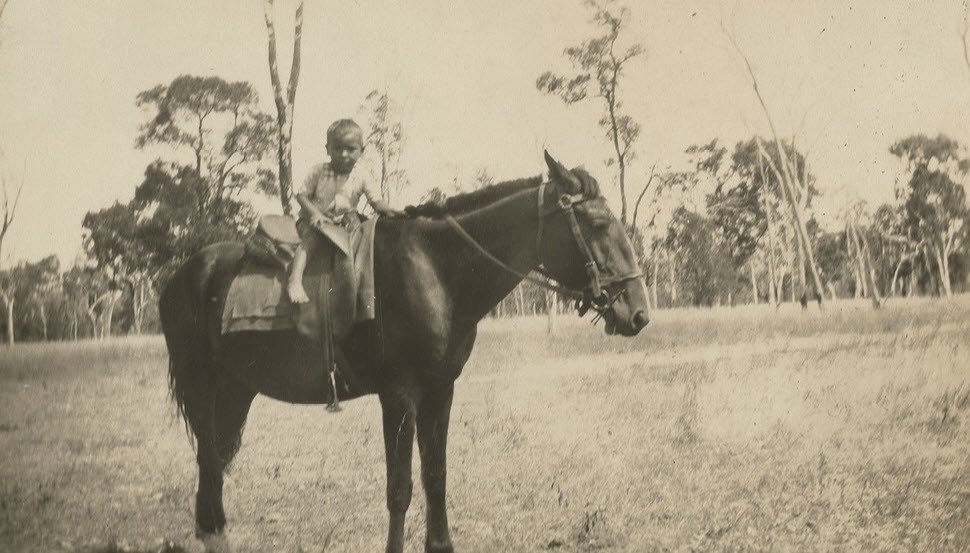 Young boy seated on the back of a saddled horse, Woorabinda, 1933
-
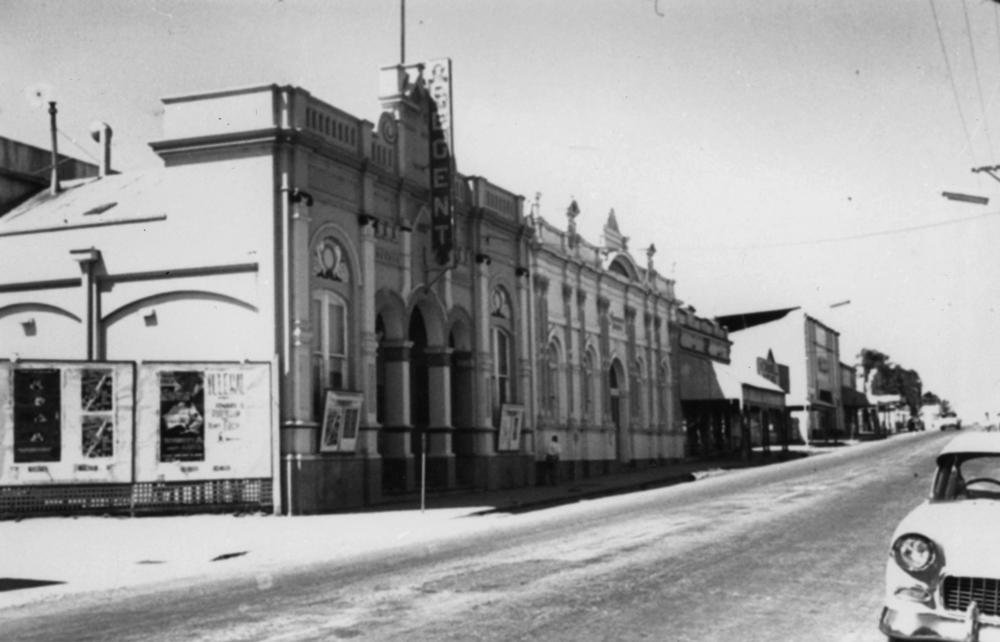 The Regent Theatre, Charters Towers, around 1950
-
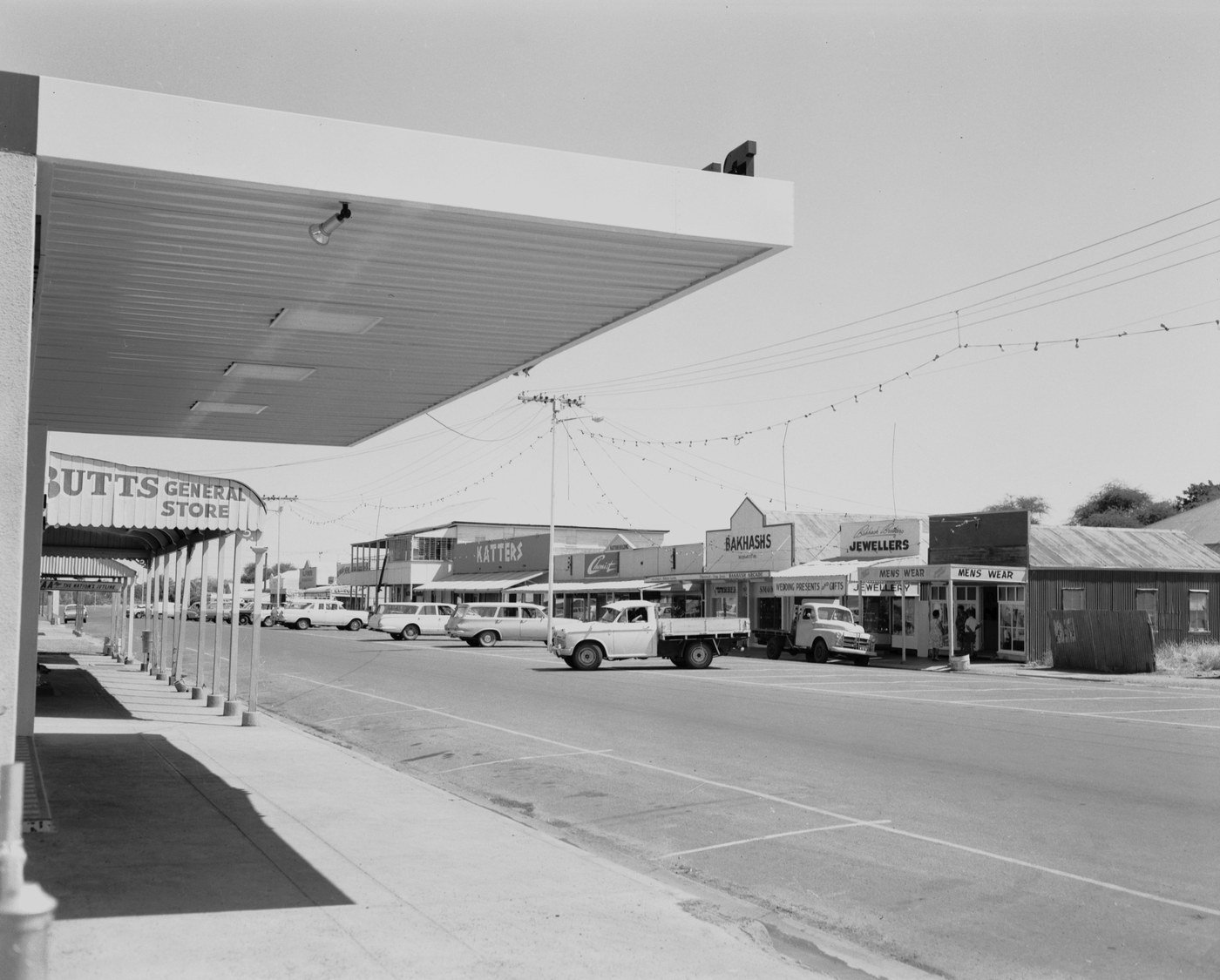 Ramsay Street, Cloncurry, February 1966
-
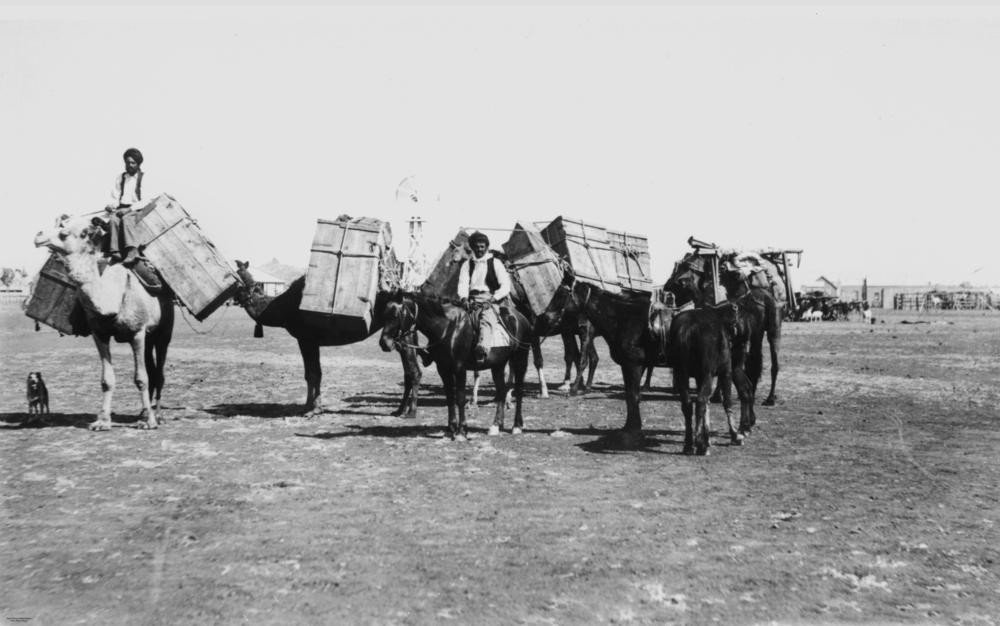 Horse and camel team, Cloncurry, around 1904
-
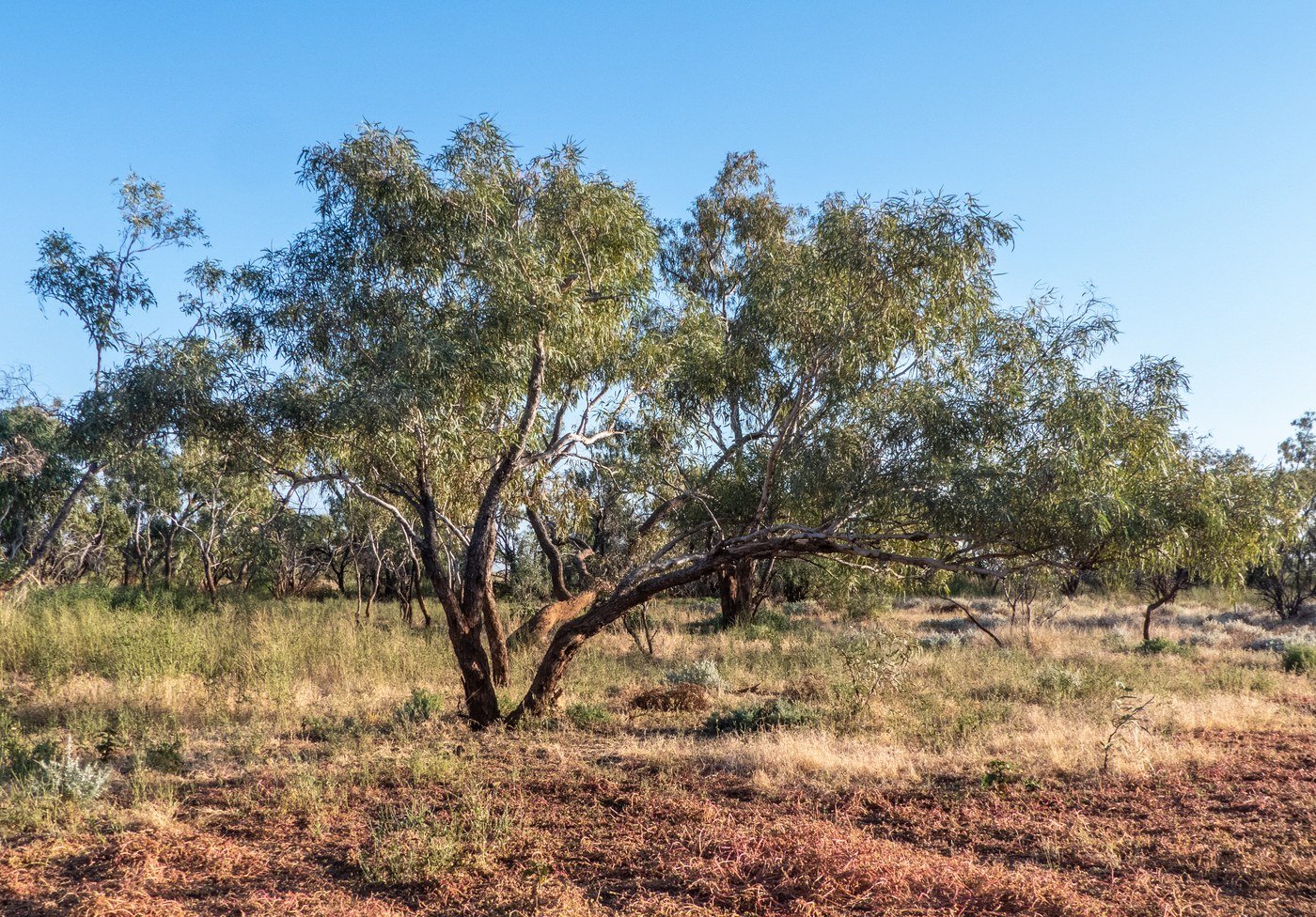 Coolabah on the Burke River floodplain, Boulia
-
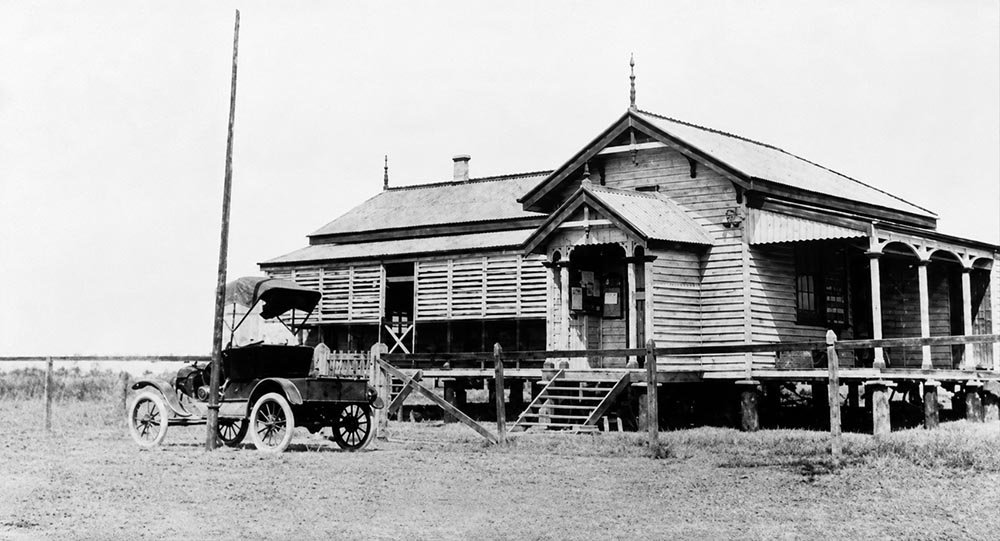 Exterior view of the post office at Burketown, 1920
-
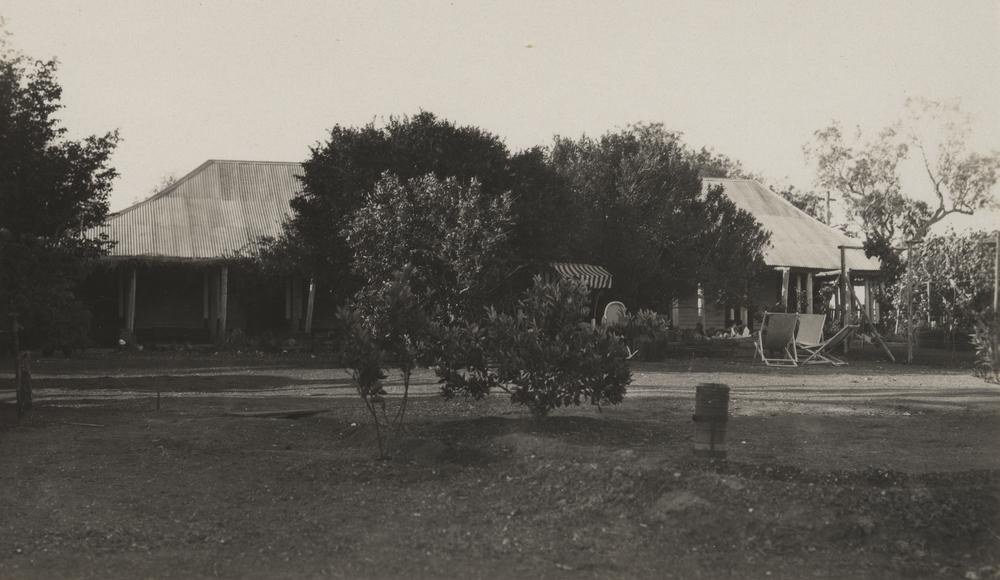 Homestead on a station property in outback Queensland, around 1925
-
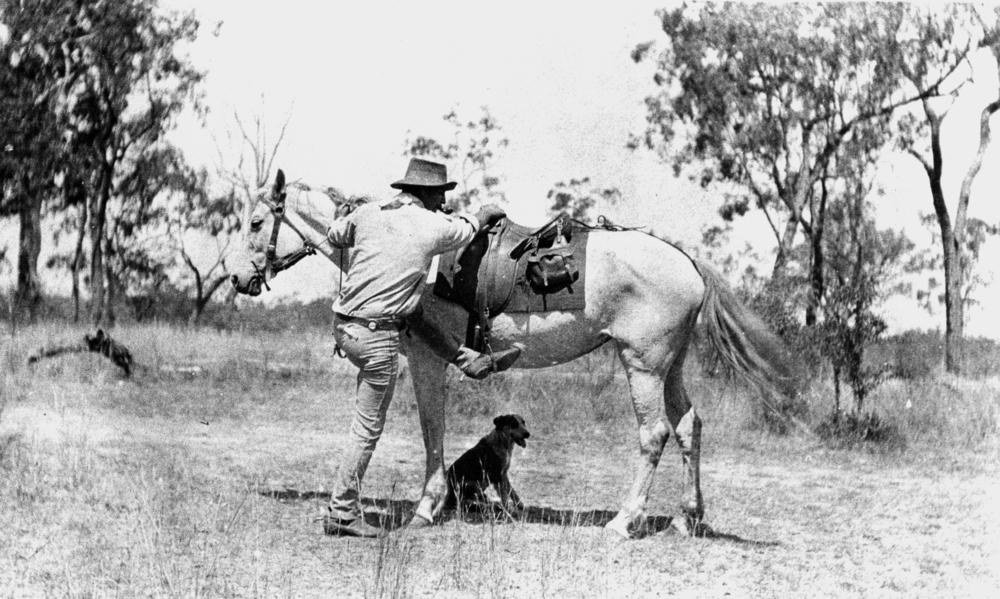 Stockman prepares to mount his horse, between 1910 and 1920
-
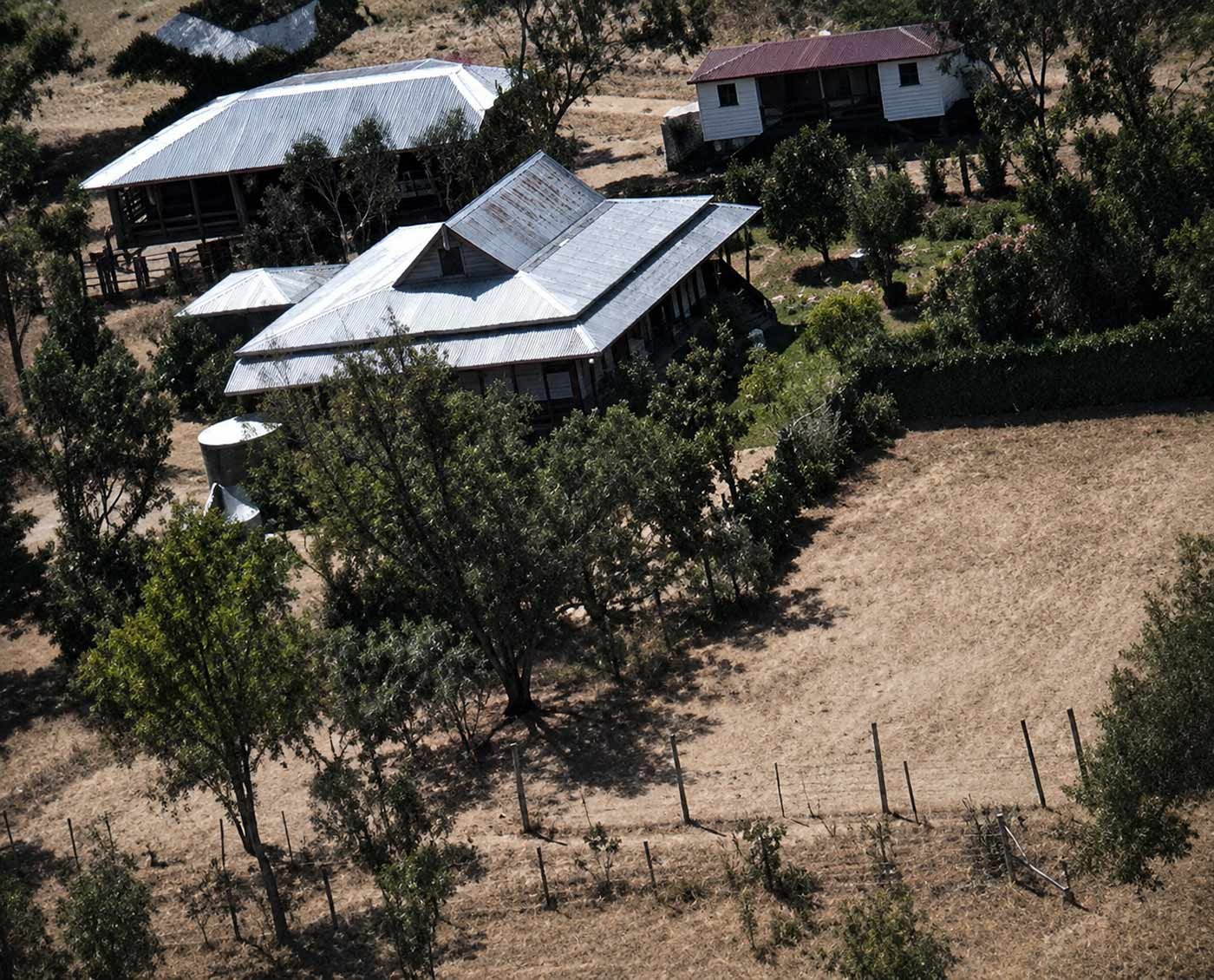 Lorraine Station, North Queensland, 1952
-
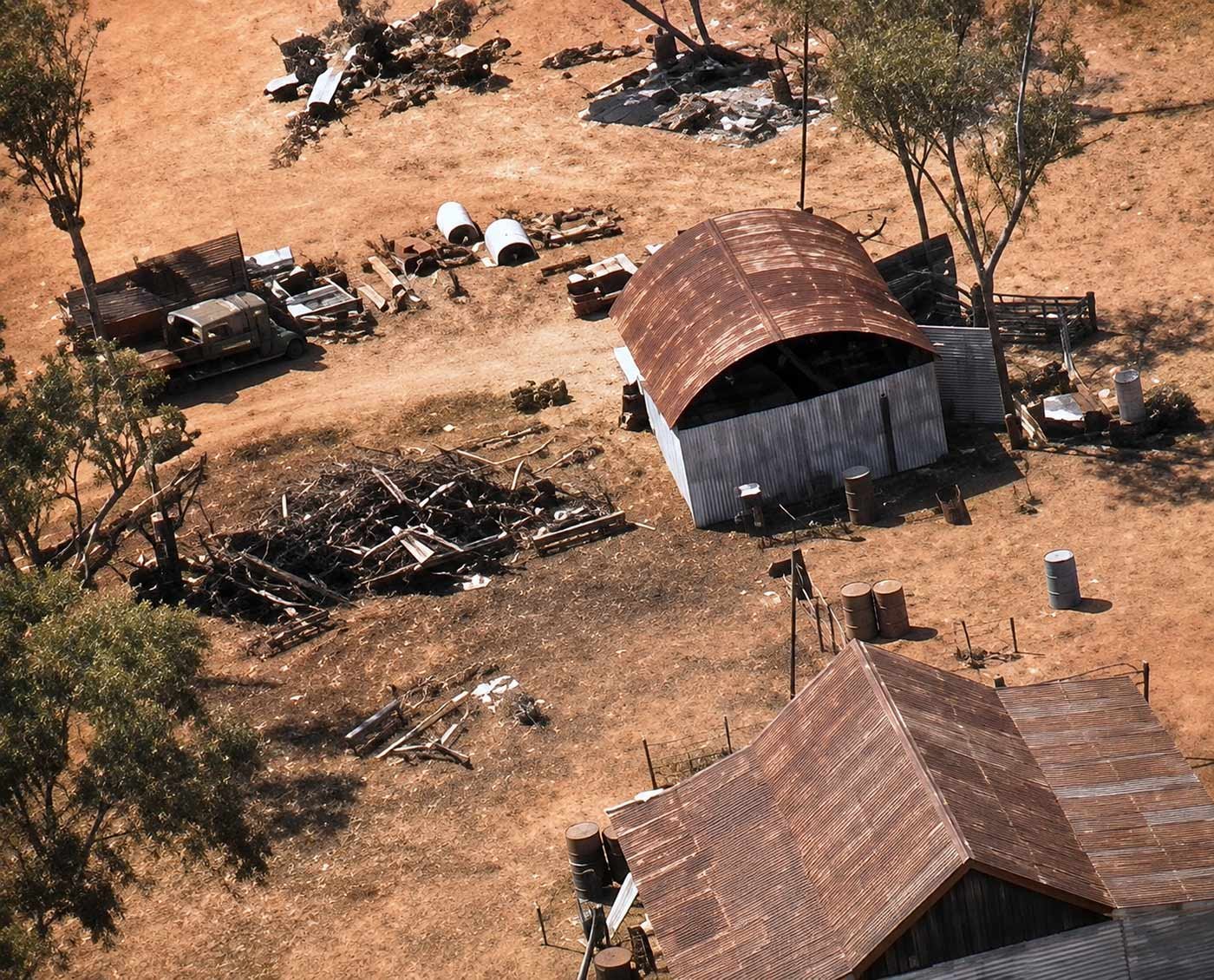 Lorraine Station working complex, North Queensland, 1952
-
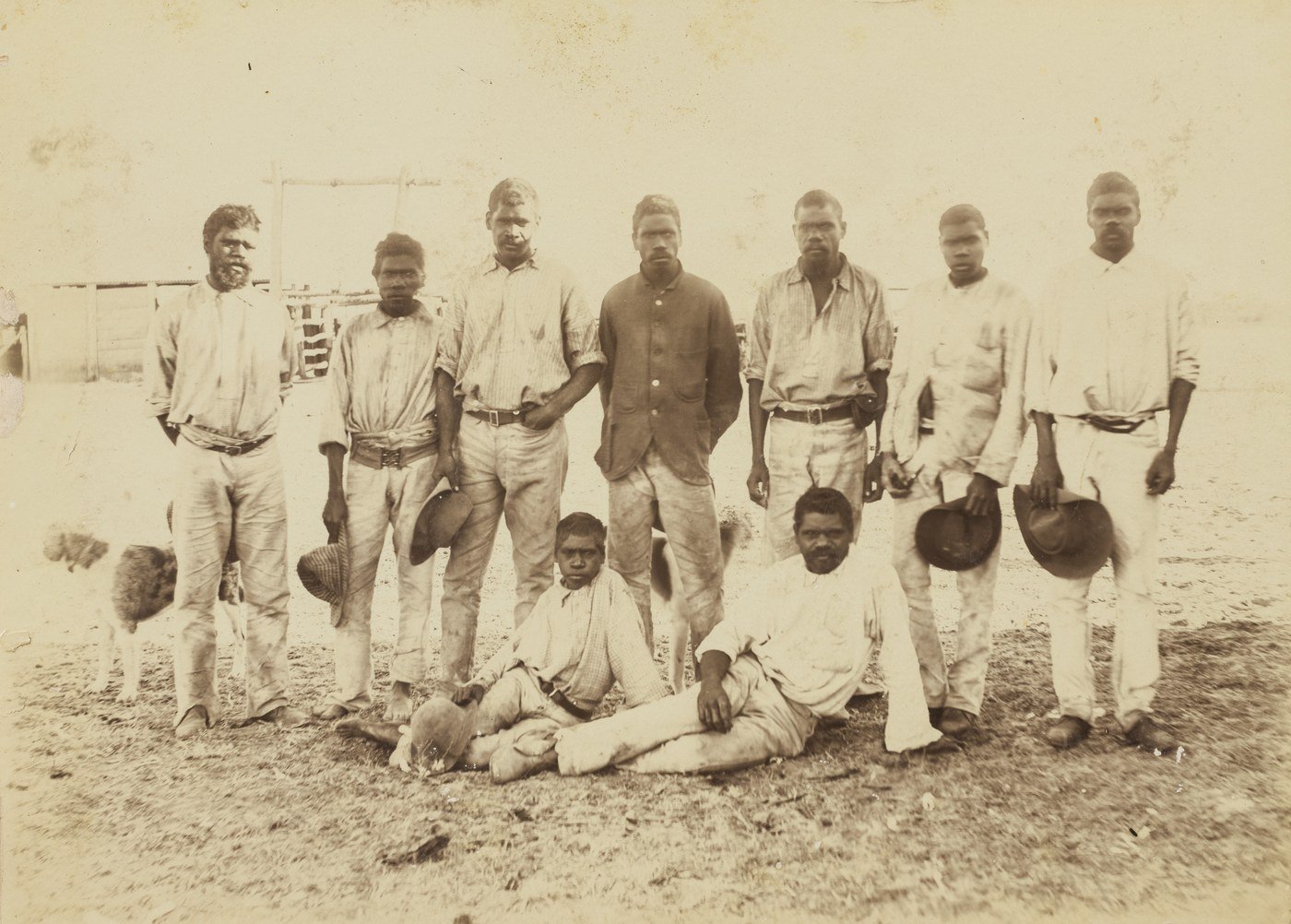 Group of Aboriginal stockmen at Canobie Station, 1895
-
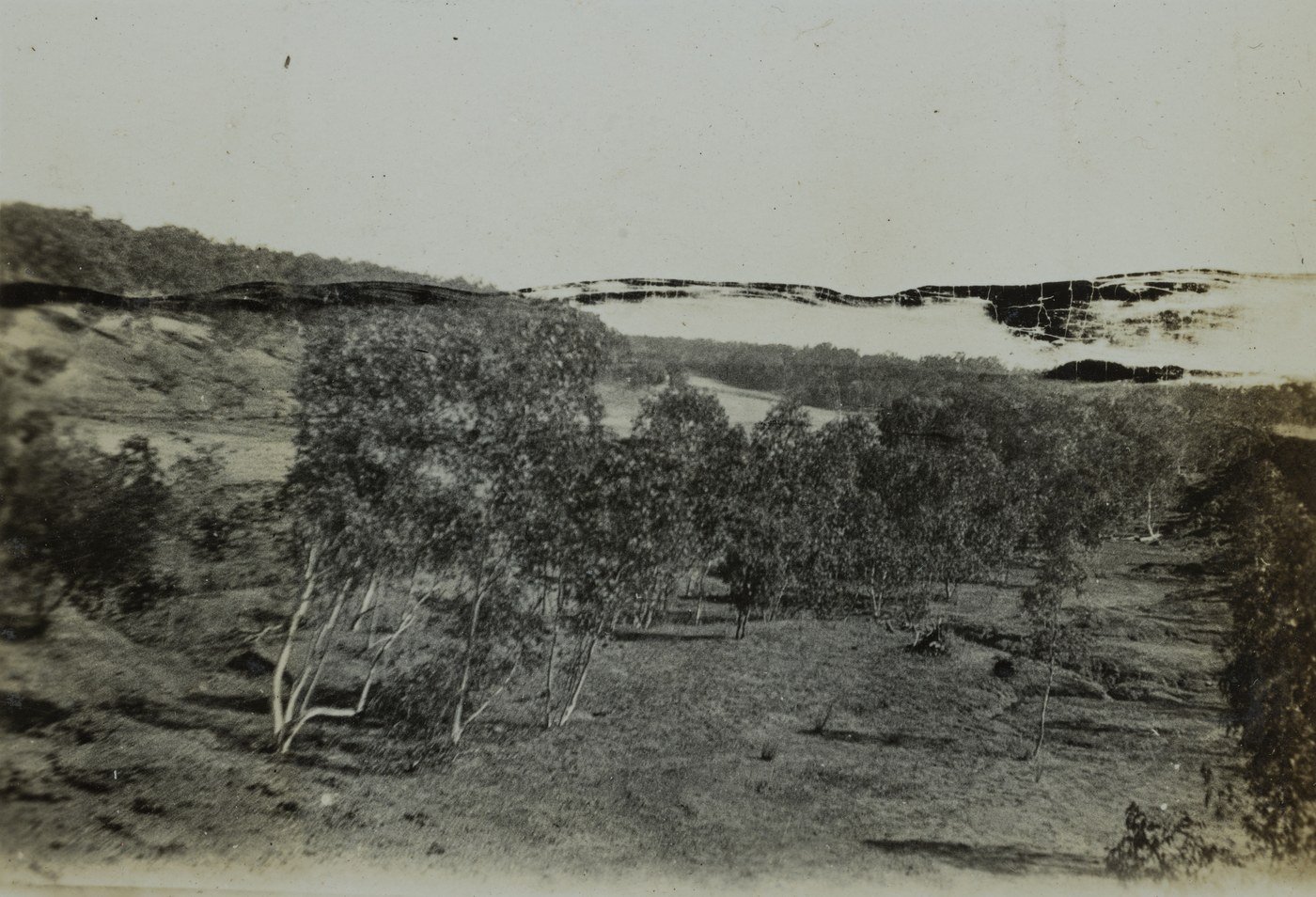 Leichhardt River on Lorraine Station, North Queensland, 1910 to 1935
-
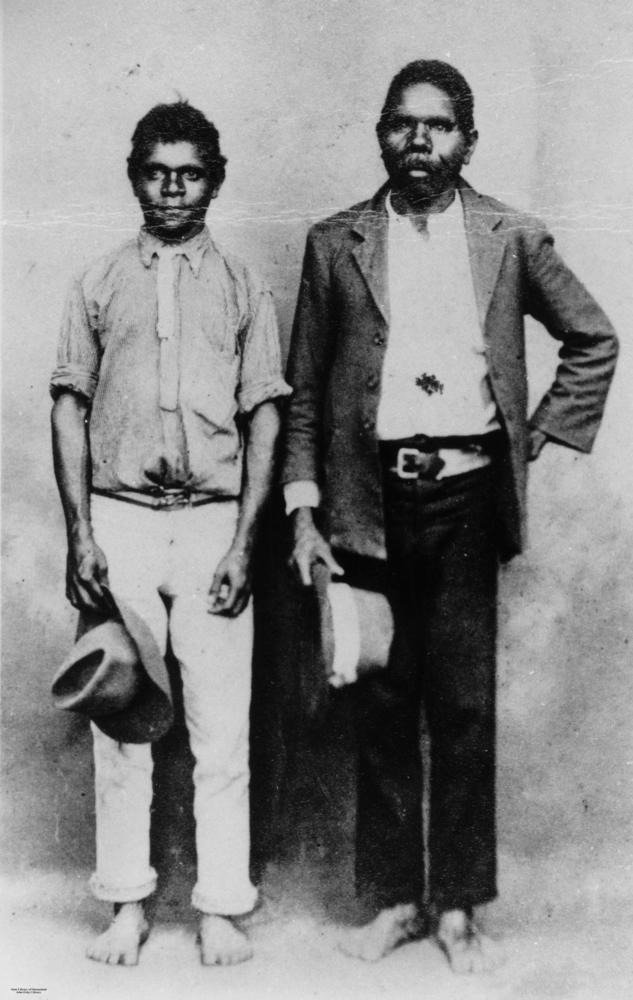 Aboriginal stockmen Digby Denham and Old Mango at Midgenoo, 1916
-
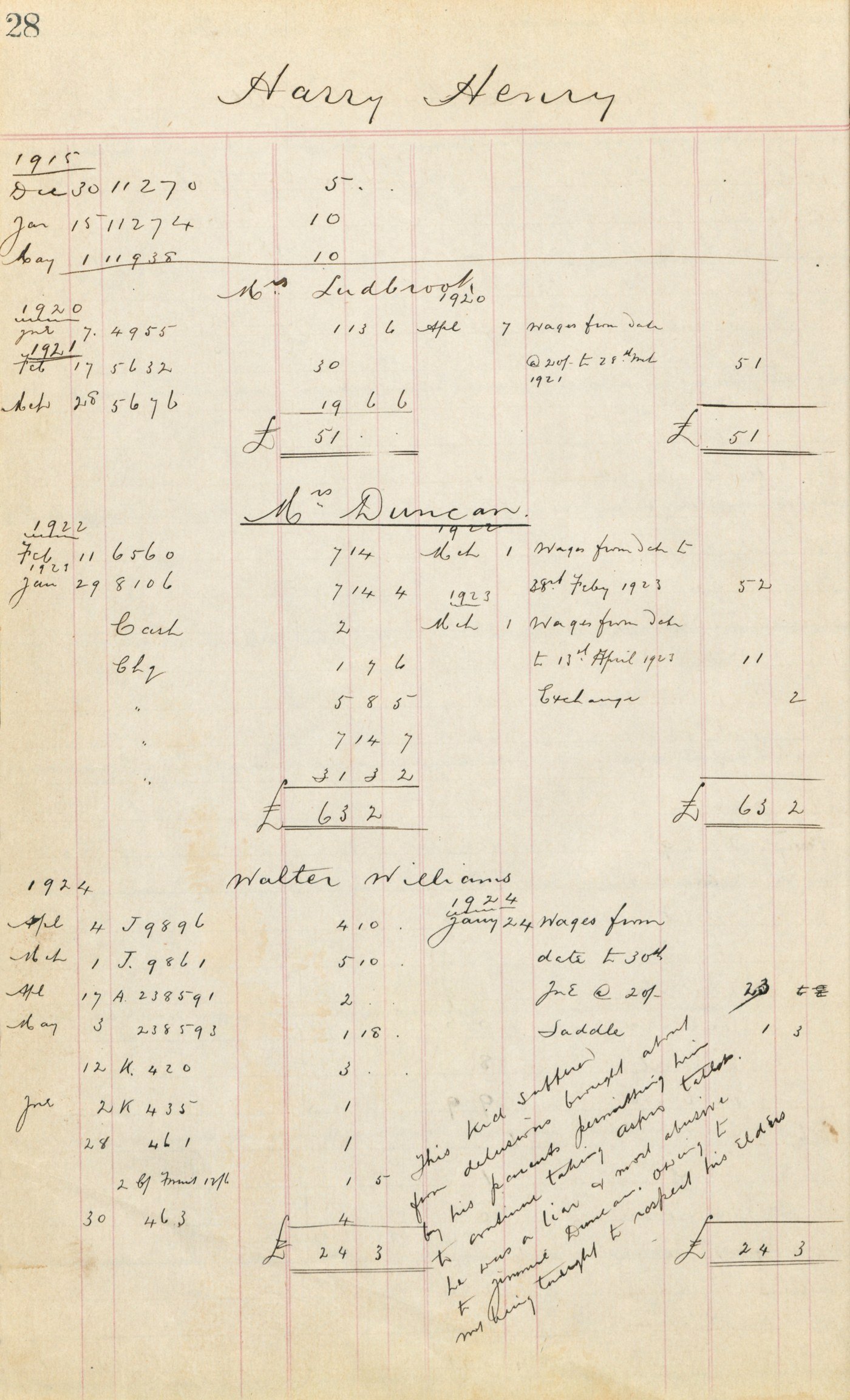 Wage account of Harry Henry, Forest Vale Station ledger, folio 28, 1915 to 1924
-
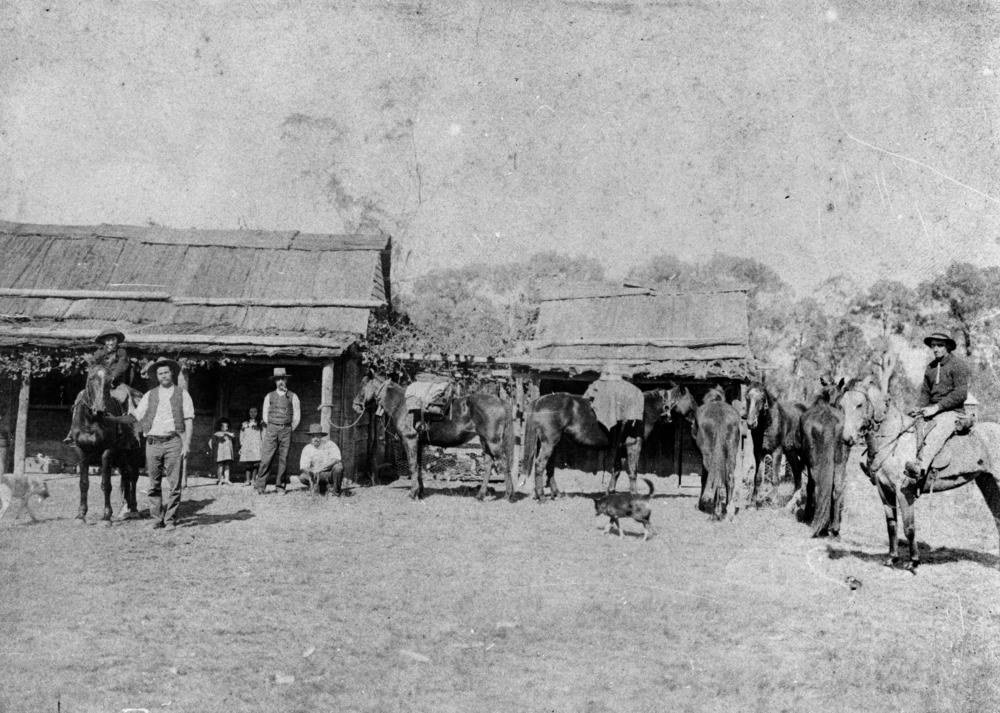 Drovers at Auburn Station, Queensland, around 1900
-
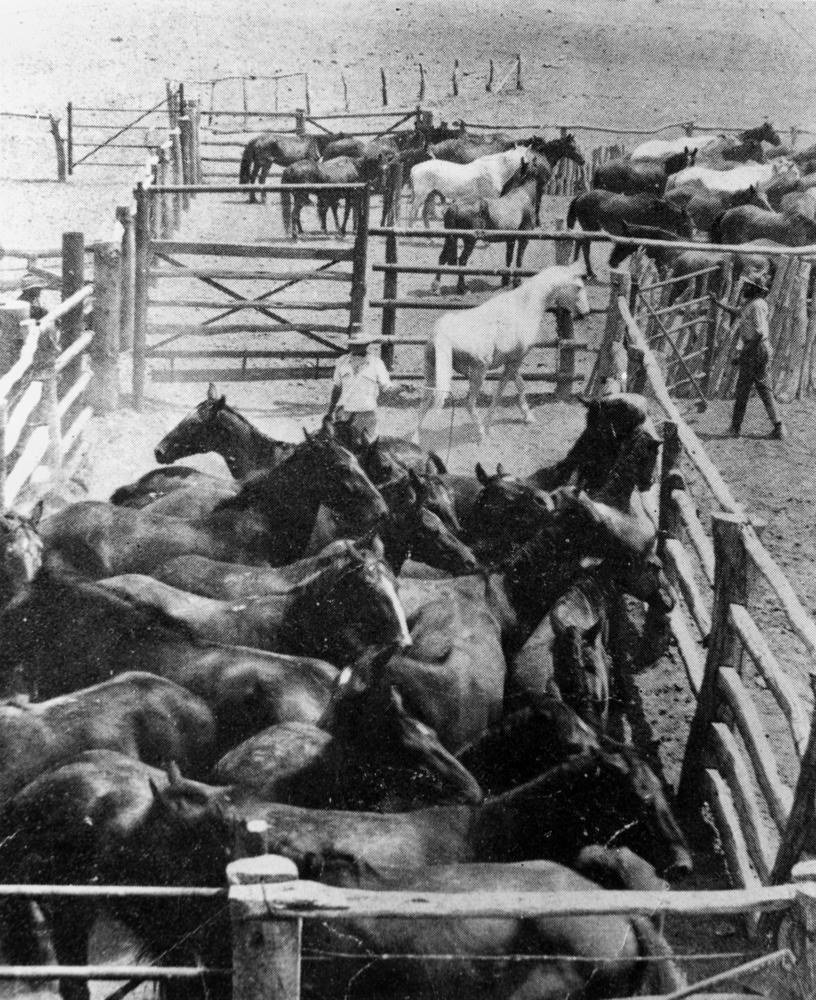 Drafting horses at Avon Downs Station
-
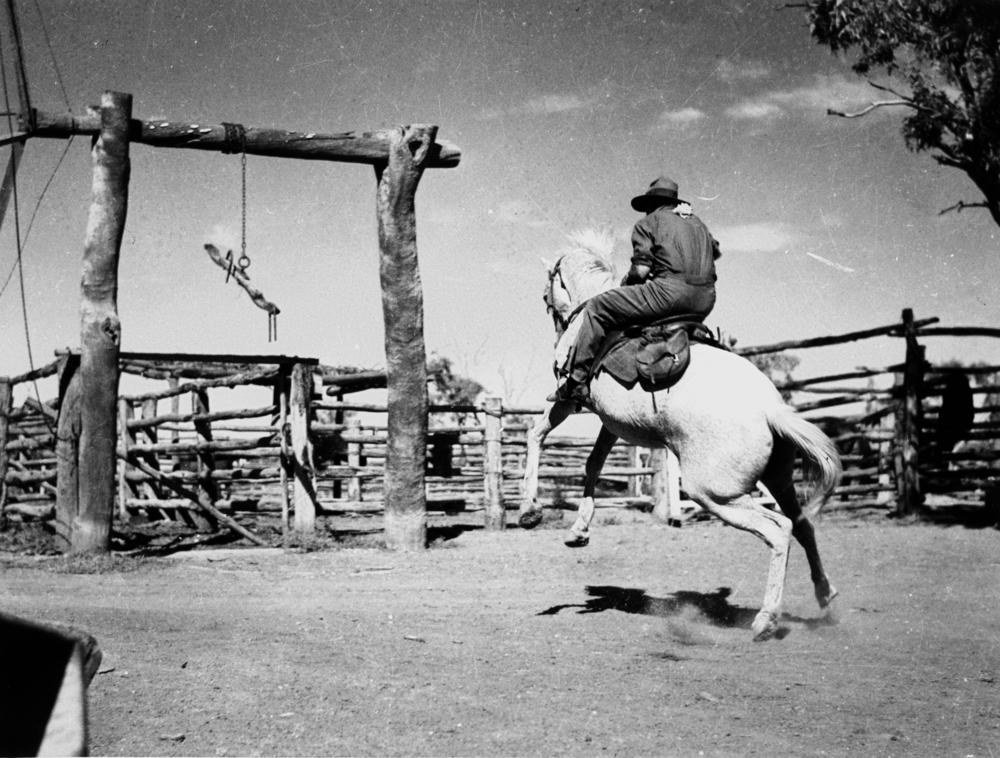 Horsebreaking at Tinnenburra Station, 1941
-
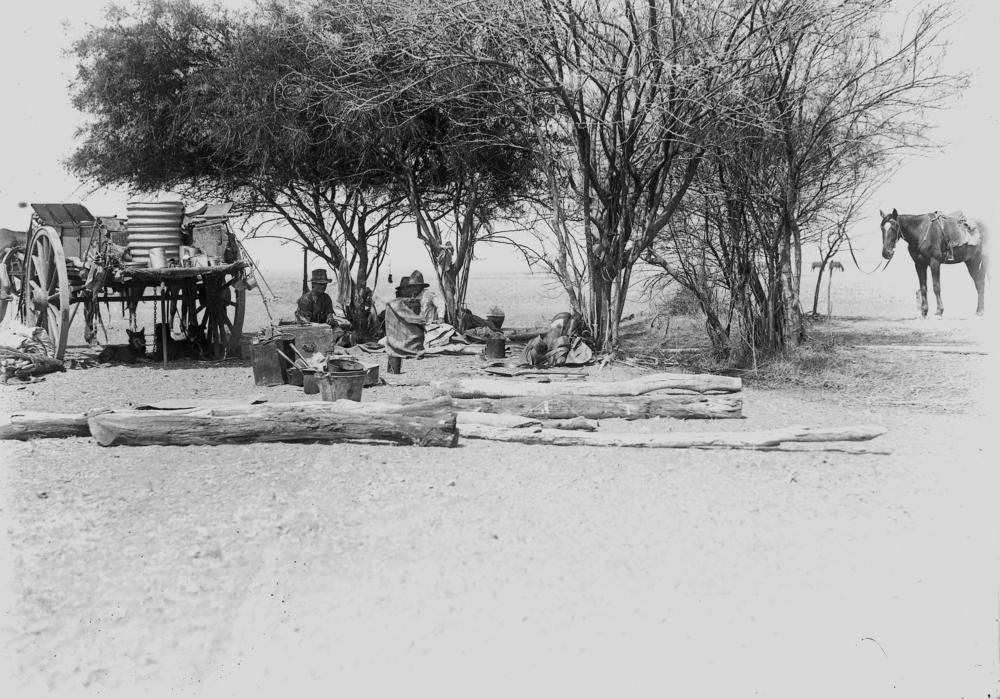 Drover’s camp at Hughenden, around 1916
Archival photographs on the Cherbourg page
These photographs illustrate the settlement described on the About Cherbourg page. None of them shows me or any member of my family. Each is a historical illustration of the place and the period.
-
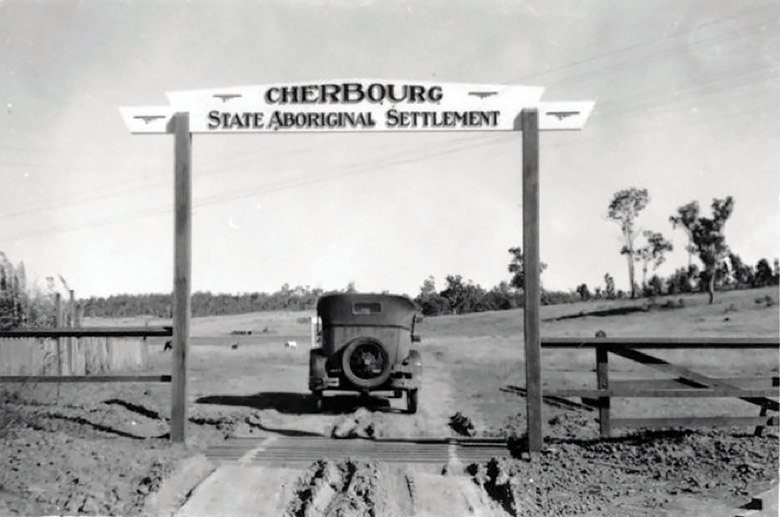 The entrance to Cherbourg State Aboriginal Settlement
-
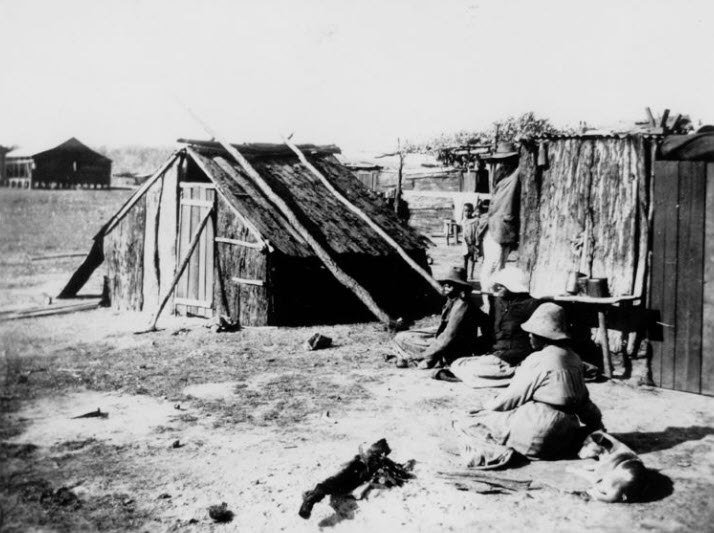 Shelters at Barambah Aboriginal Settlement, around 1920
-
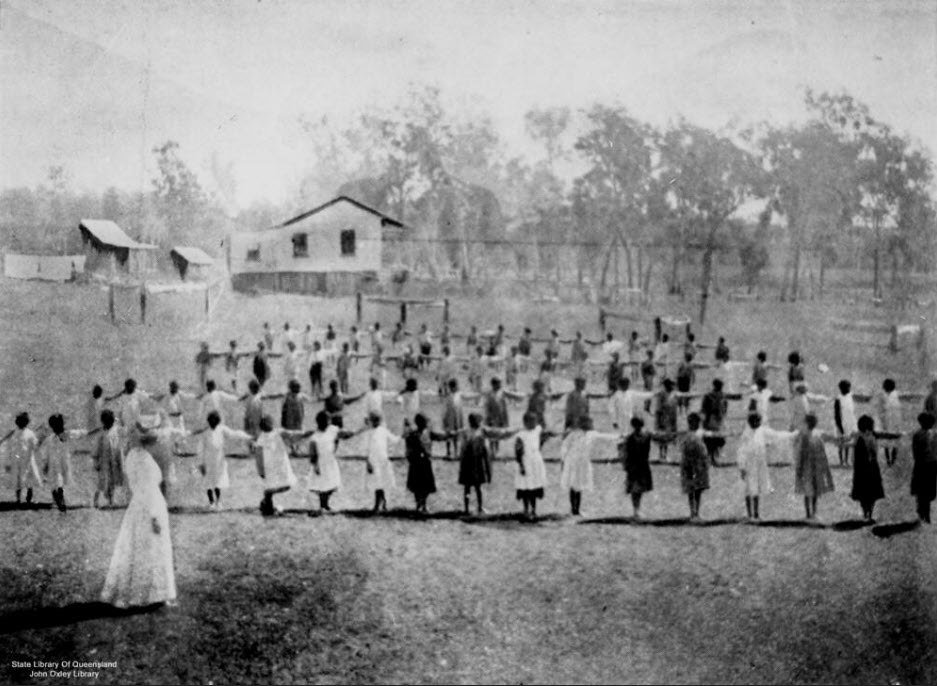 Drill outside the school, Barambah
-
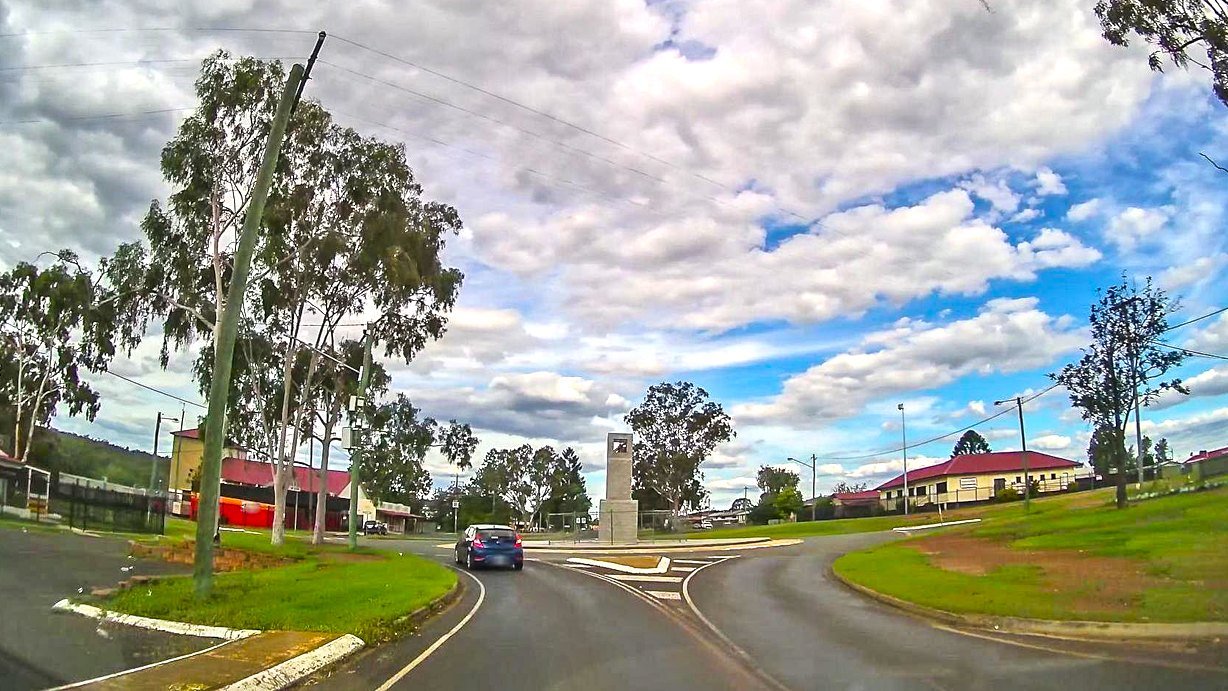 Cherbourg under its own council
-
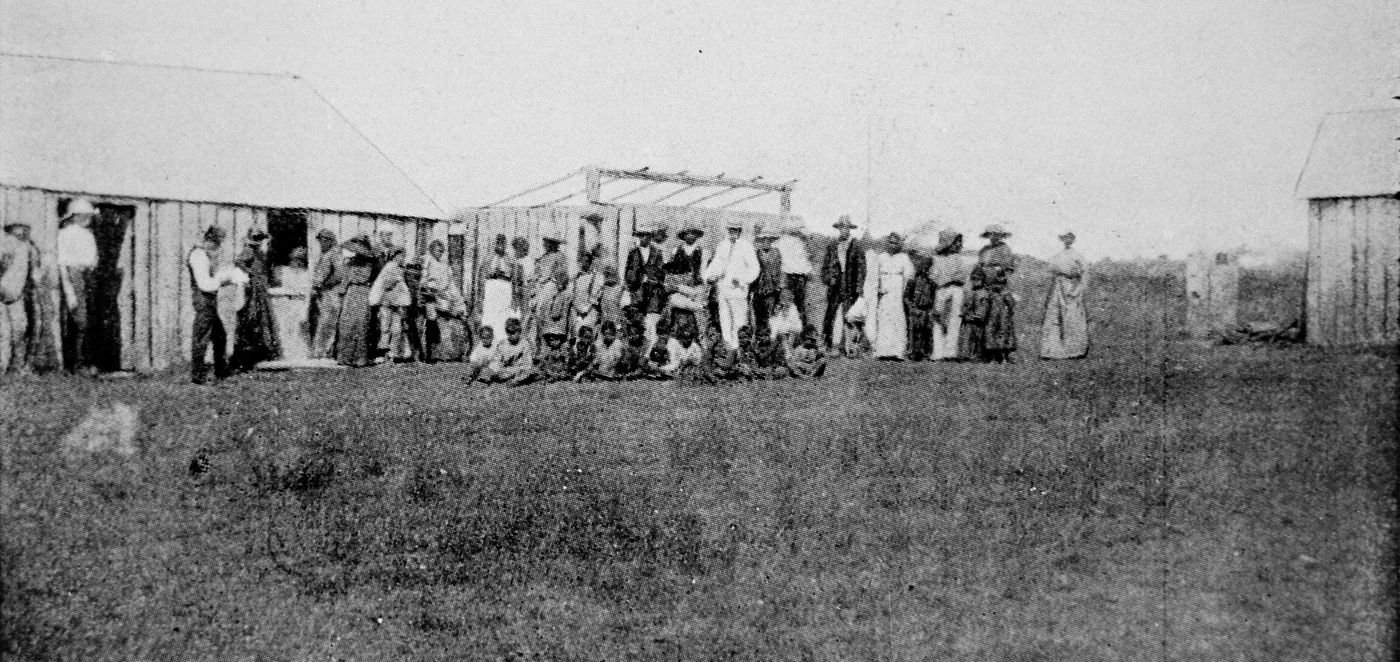 Large group at Barambah Aboriginal Settlement, 1907
-
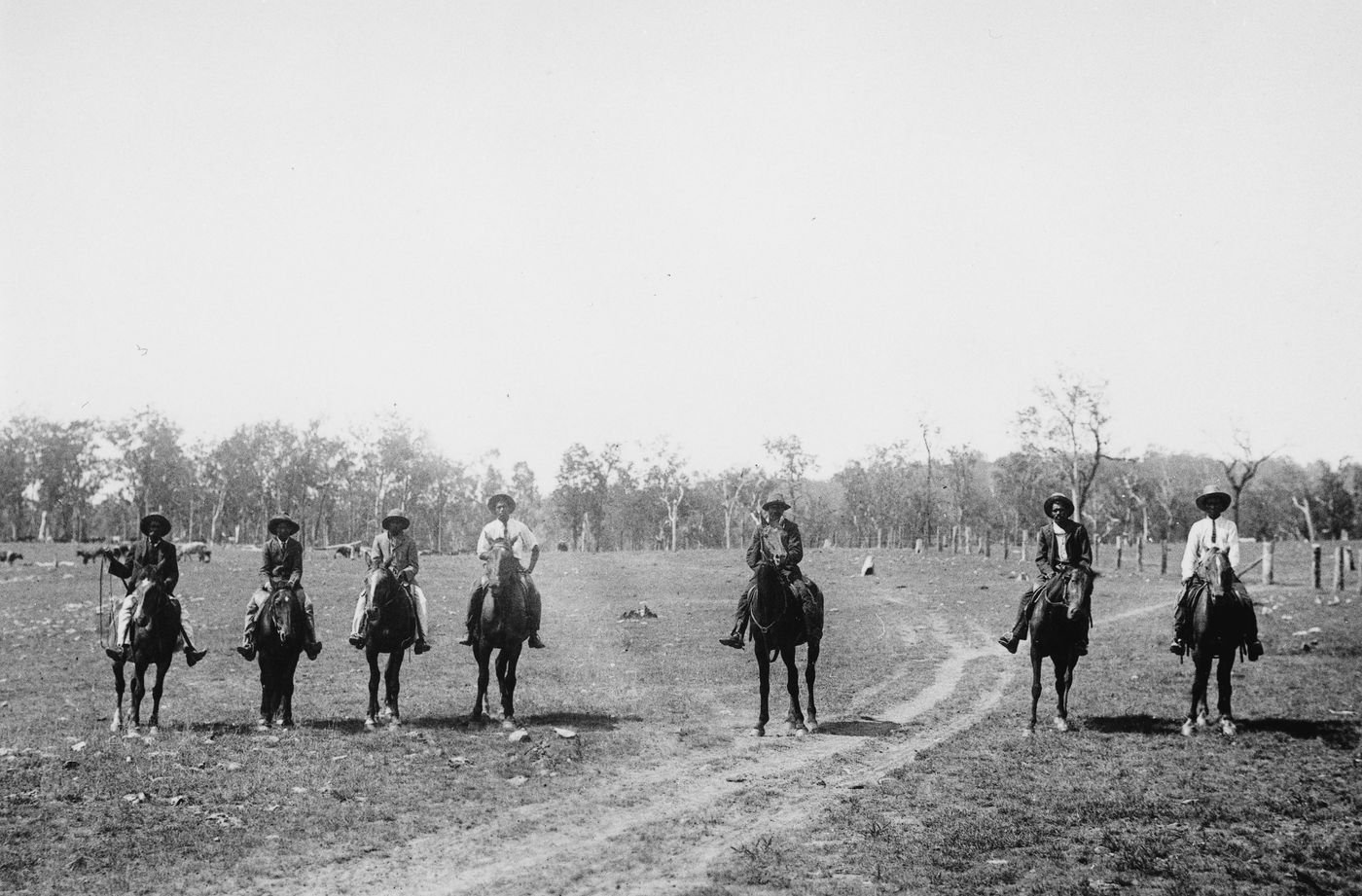 Stockmen at Barambah Aboriginal Settlement, 1911
-
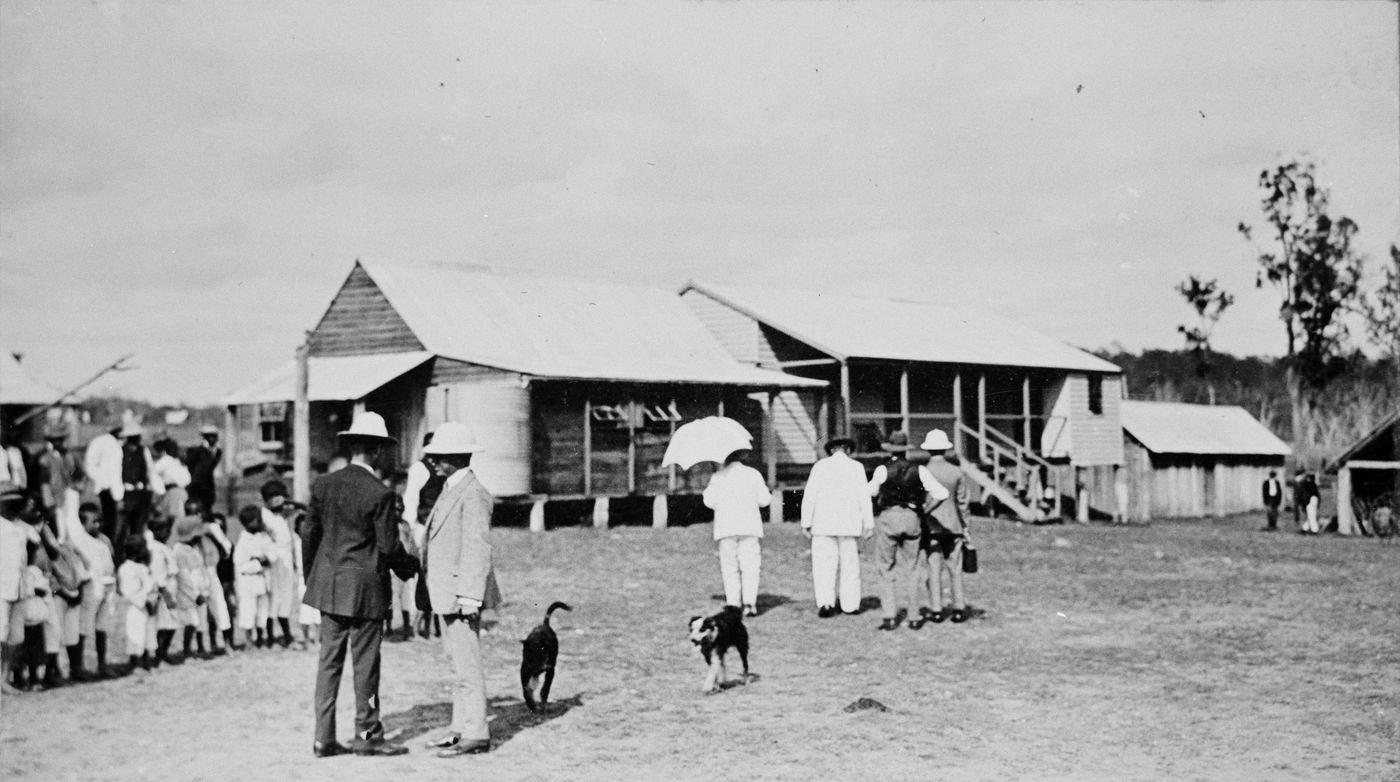 Hospital and store buildings at Barambah Aboriginal Settlement, 1911
-
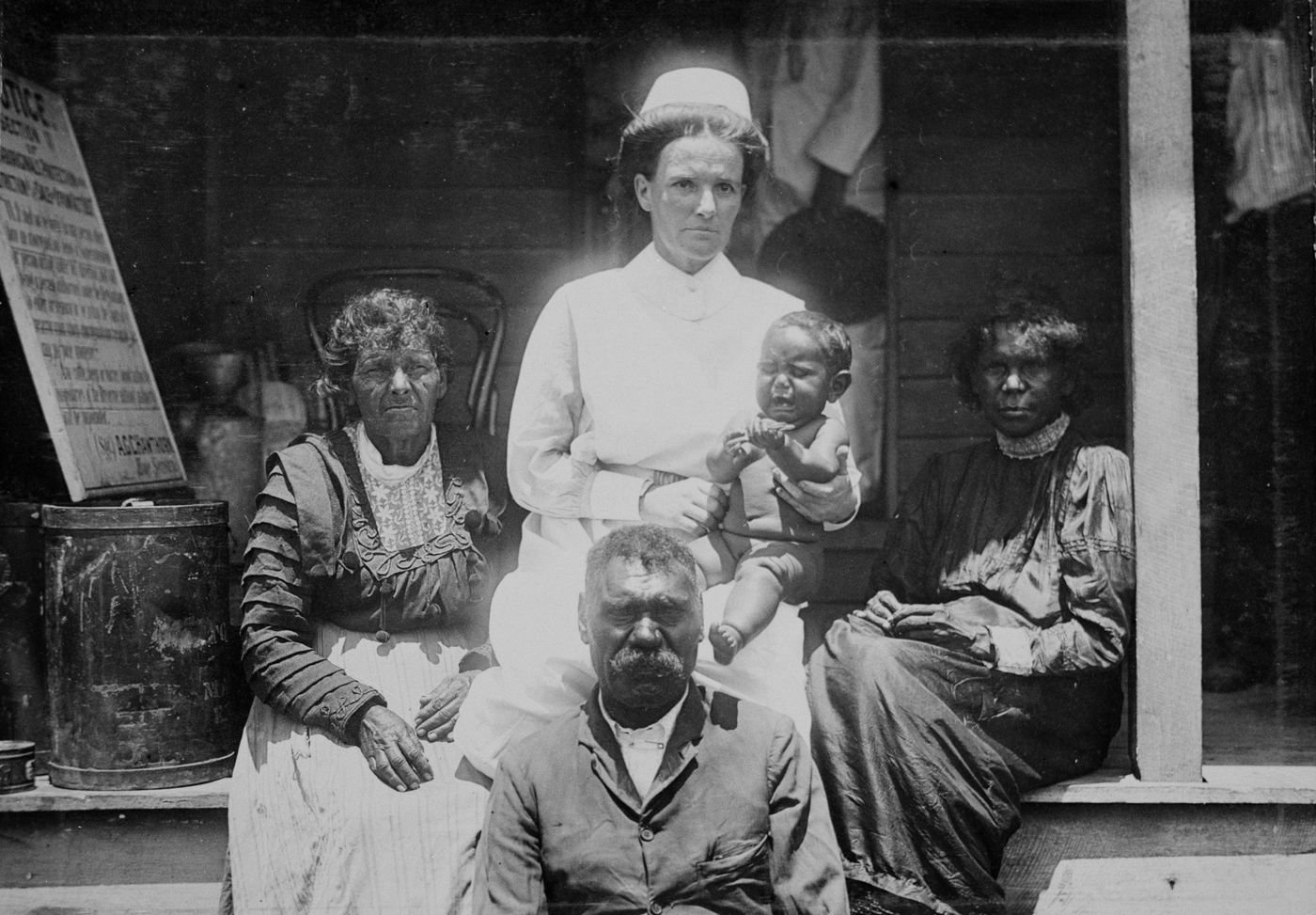 Nurse with three generations at Barambah Aboriginal Settlement, 1911
-
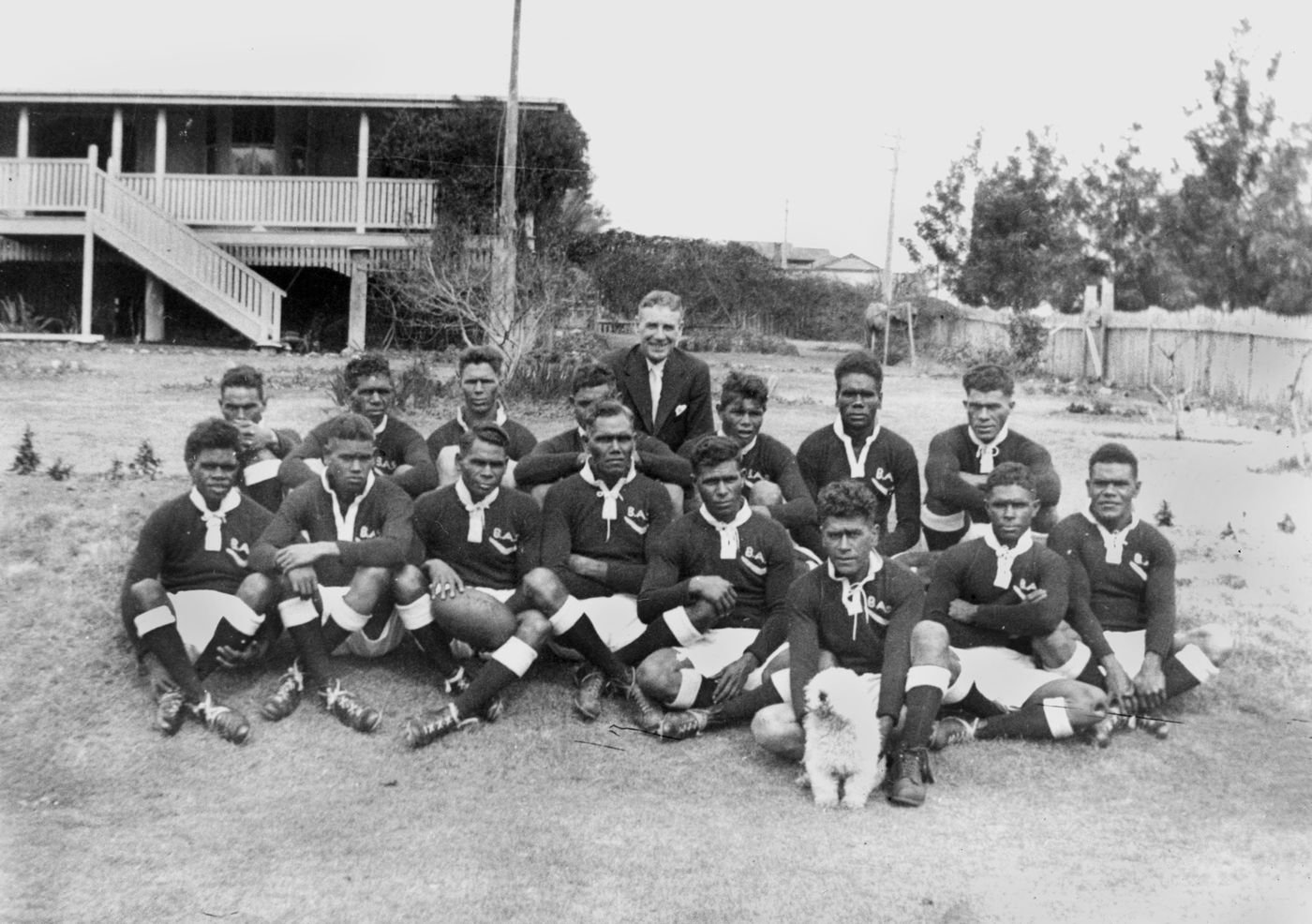 Barambah rugby league team, 1930s
-
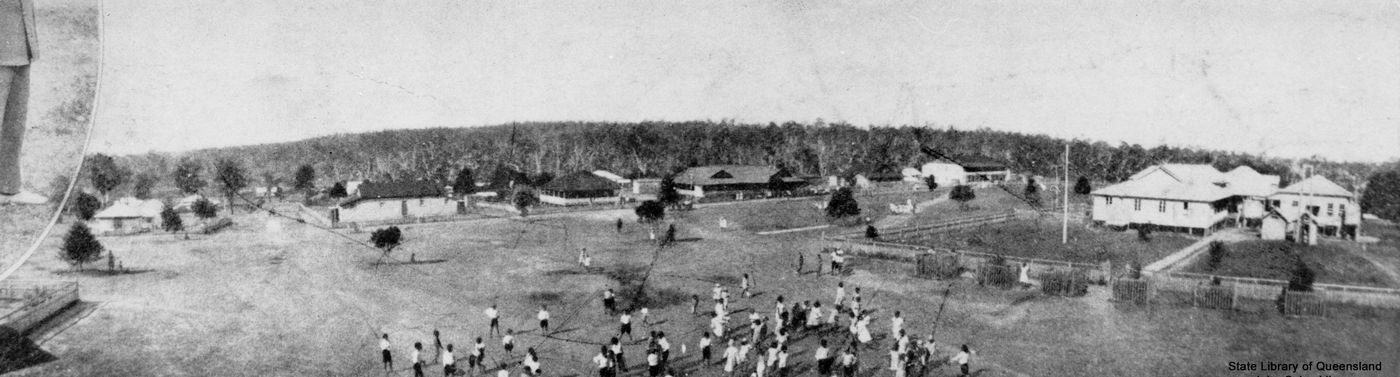 View of Barambah Aboriginal Settlement, 1931
-
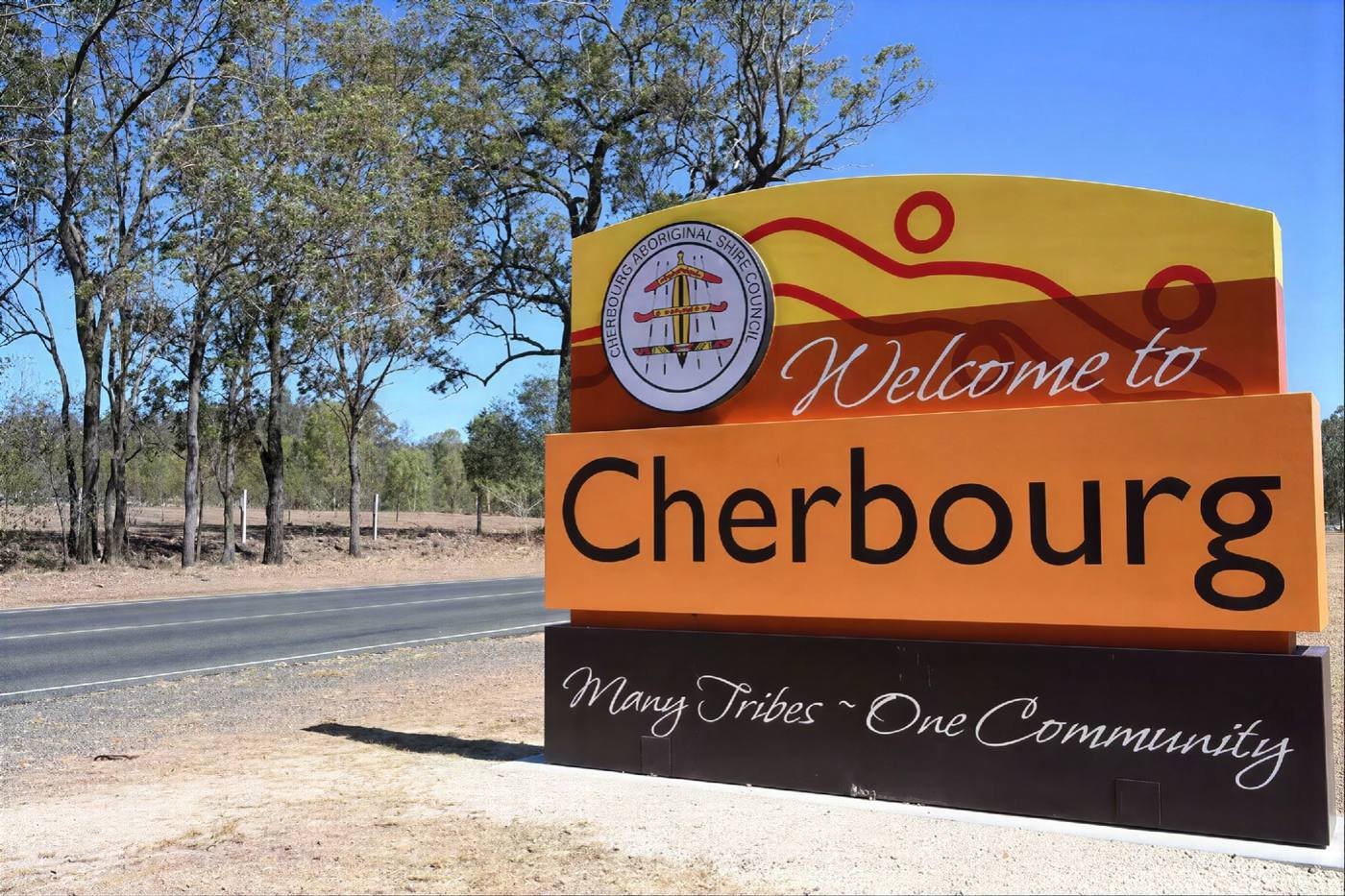 The road into Cherbourg
The video on the Cherbourg page
The video Our History, Our Stories, Our Voices is the work of The Ration Shed Museum, the community museum at Cherbourg. It is embedded from the museum’s own YouTube channel, so the museum keeps control of it and can amend or withdraw it at any time. Nothing is copied or re-hosted here.
Something about this site
If an image here is yours, if you appear in one, or if you would like permission to use one, this form comes straight to me.
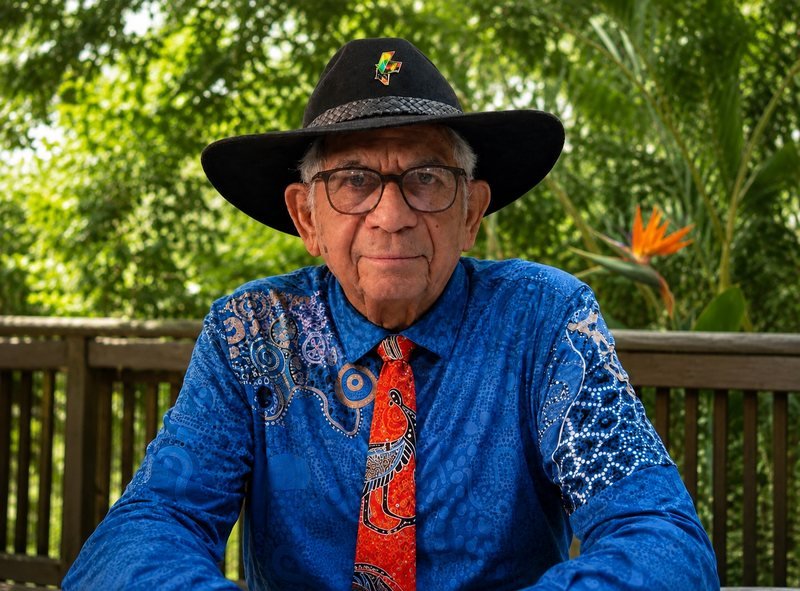
With thanks,
Uncle Bill