Acknowledgement This site is built on Quandamooka Country. Uncle Bill is a Mitakoodi man working on Yuggera and Turrbal lands. We respect their enduring connections to Culture and Country. We pay our respects to Elders, past, present, and emerging. Sovereignty never ceded
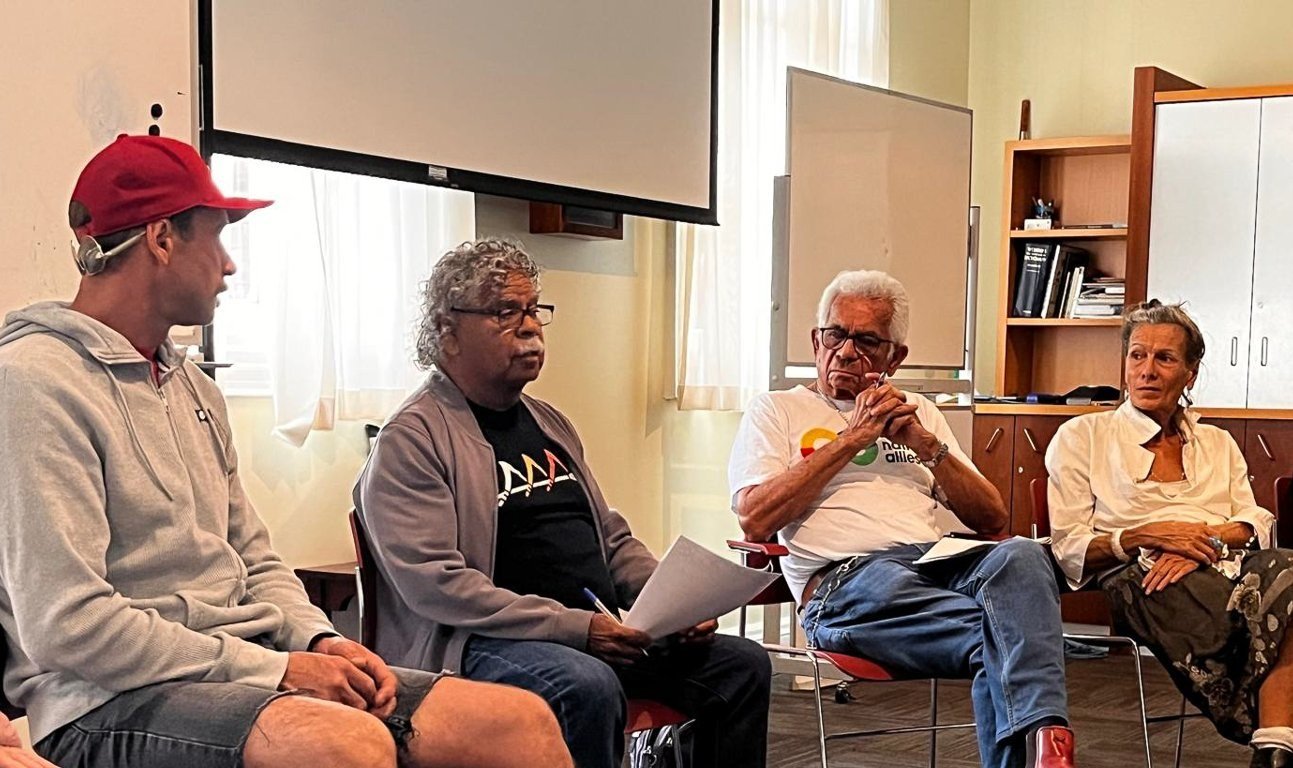
Thirty-five people gathered in the Darnell Room to hear Uncle Billy Gorham and connect with his stories.
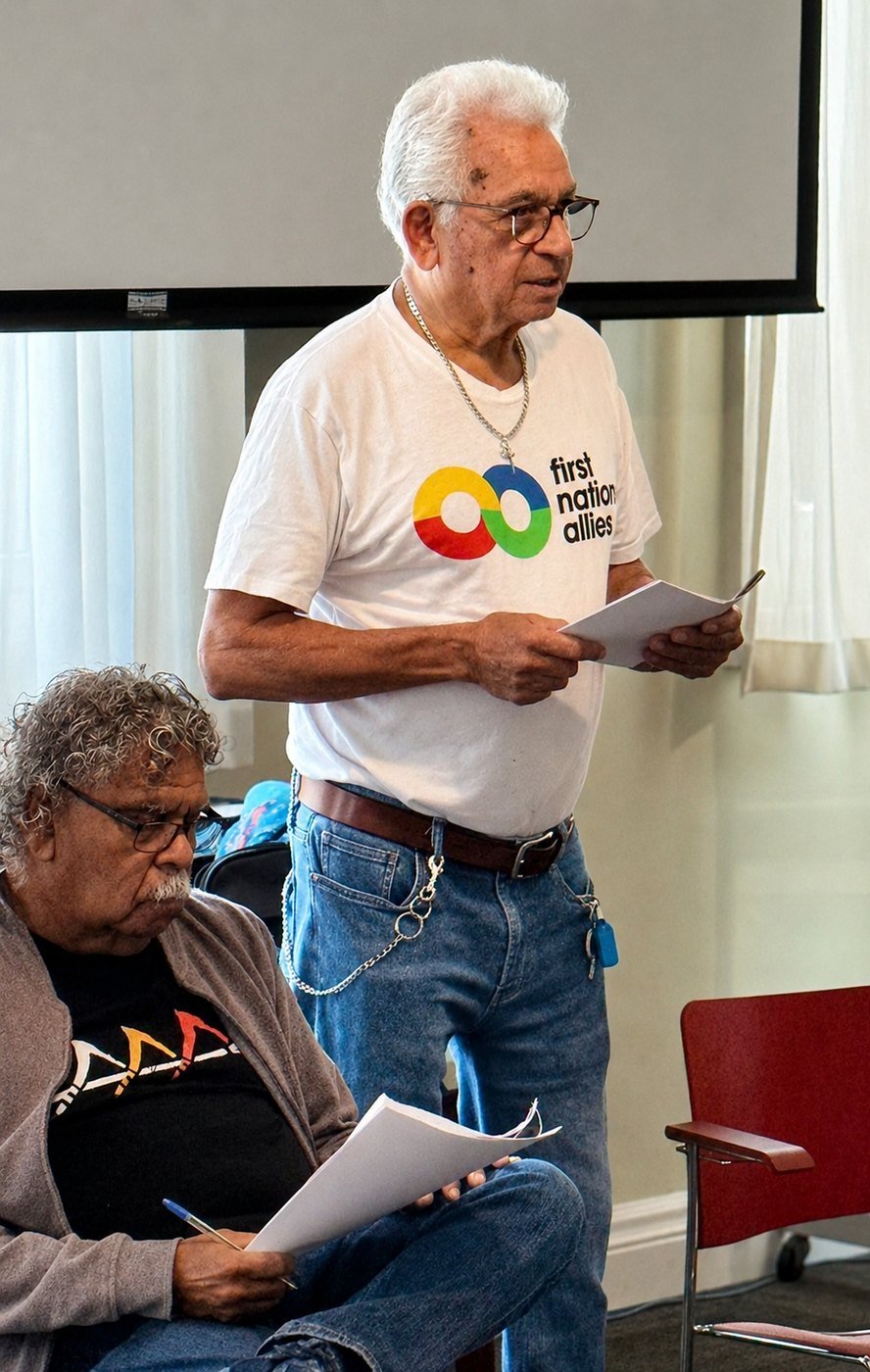
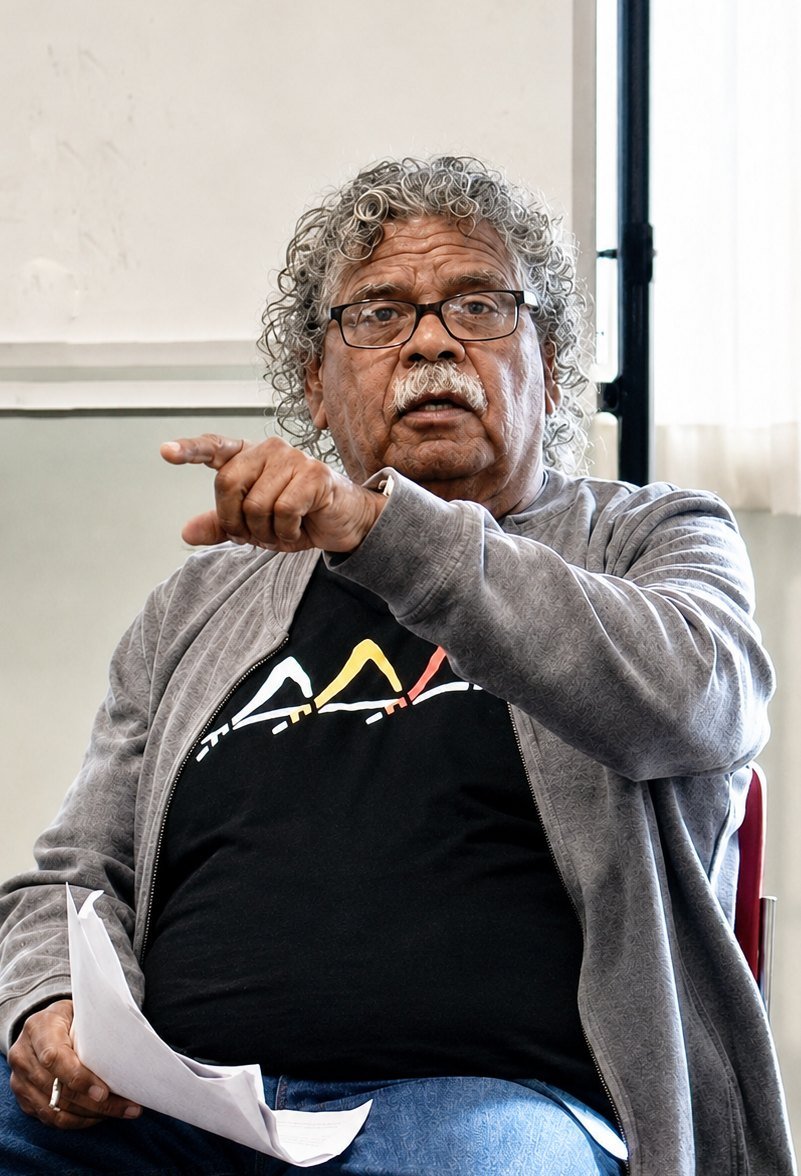
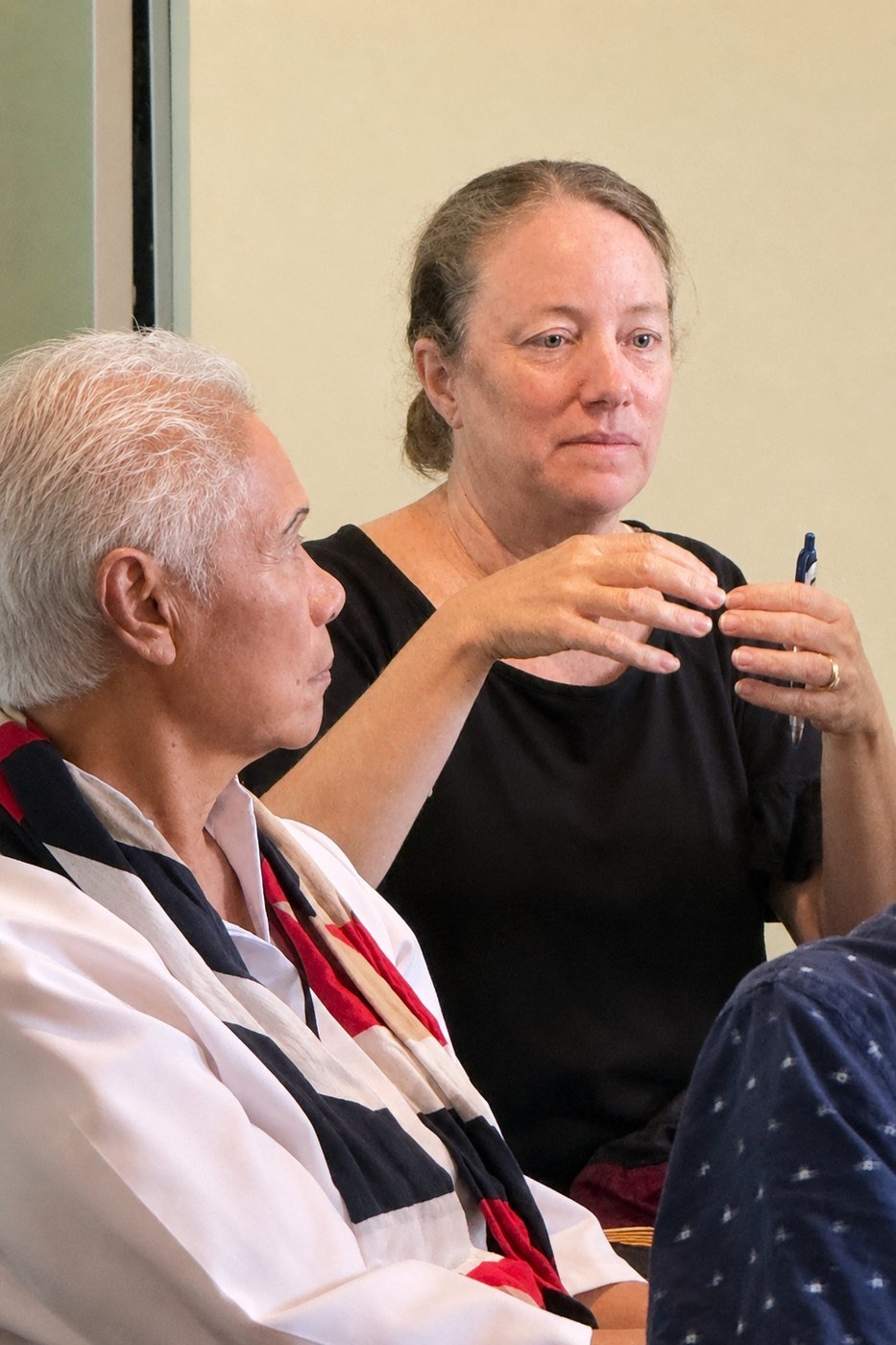
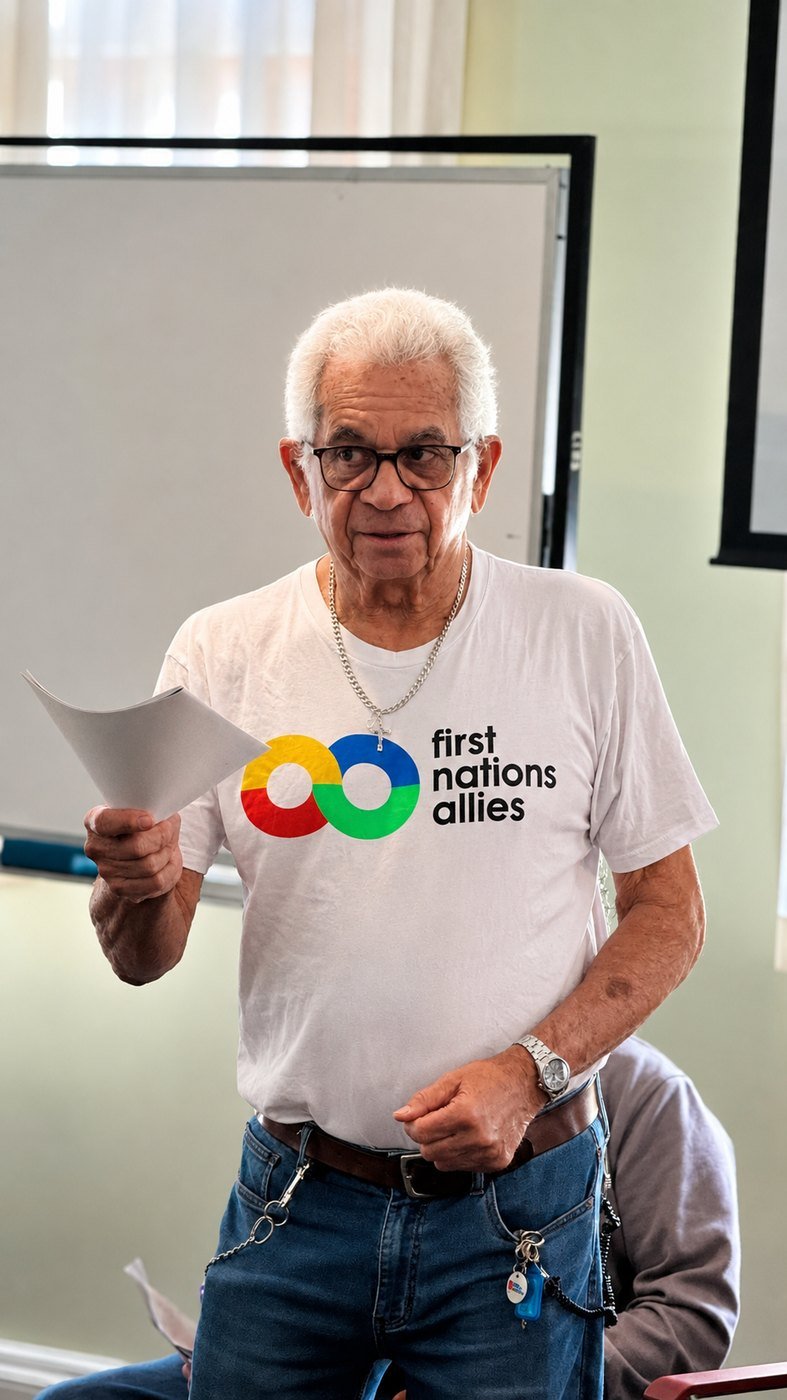
Yarning Circle in session. Uncle Billy Gorham, second from left, speaks with participants, alongside host Uncle Bill Lemson.Kerrie Collings-SilveyUncle Bill Lemson introducing Uncle Billy Gorham.Philippe
Thirty-five people attended Yarning Circle on Sunday, 17 May 2026 in the Darnell Room at St John’s Cathedral. We were there to listen to Uncle Billy Gorham, a prominent advocate for First Nations health, housing, and social justice in Brisbane, and an honoured member of the Aboriginal and Torres Strait Islander Community Health Service (ATSICHS).
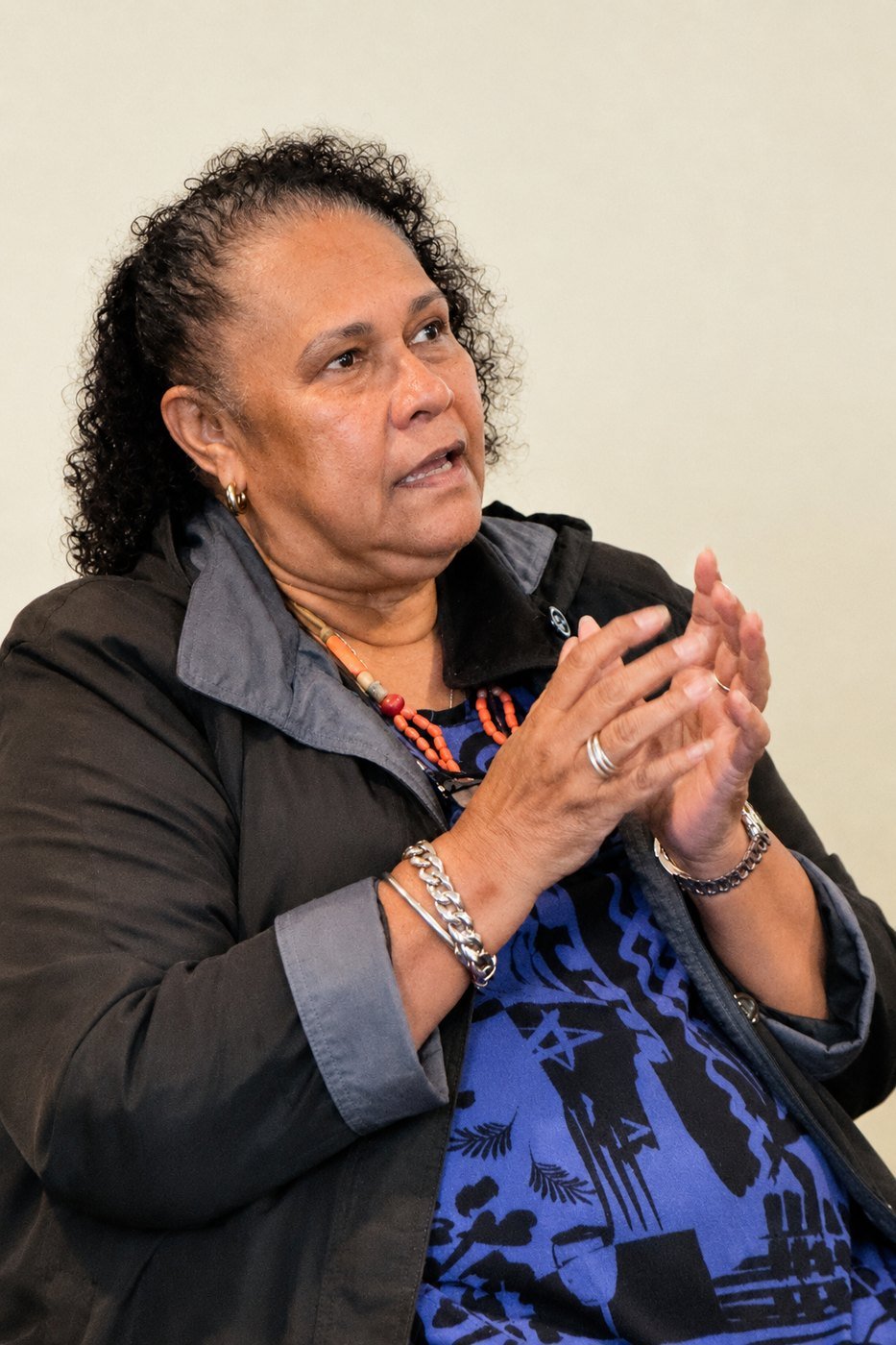
Aunty Sandra King also joined us on this morning; she spoke of her own experience working at the first Aboriginal Medical Service in Brisbane — the one Uncle Billy was involved in founding with Aunty Pamela Mam and others in 1973.
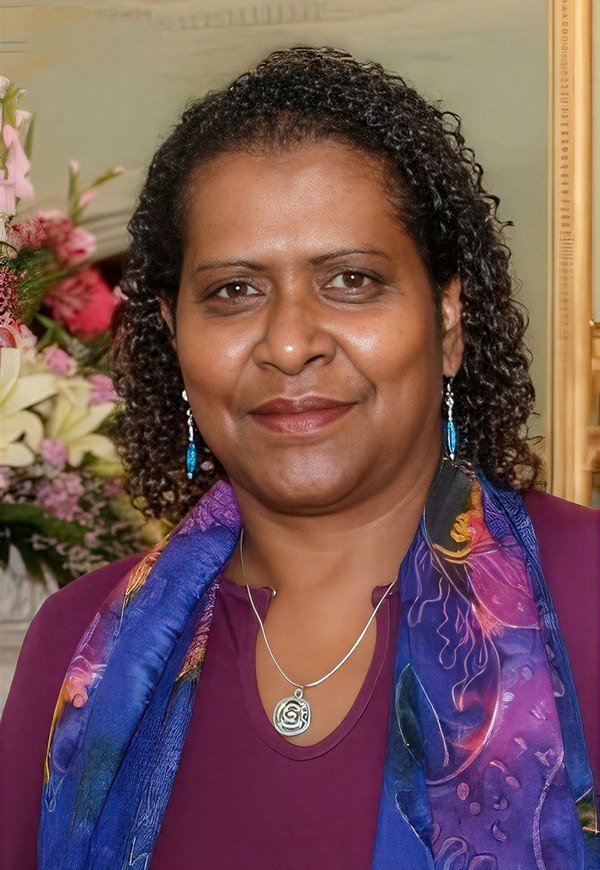
Aunty Sandra King recalling her work for an early Aboriginal Health Service.Philippe
We heard how Aunty Pamela Mam left a well-paid full-time job at the hospital to work at the medical centre, and about the challenges of building trust in the community since the centre was not a government agency.
Joh Bjelke-Petersen was Premier of Queensland from 1968 to 1987. His government did not simply tolerate racism; the state actively defended it. The 1971 Aborigines Act kept Aboriginal and Torres Strait Islander reserves under administrative control. When Aboriginal people on Cape York tried to buy land in the late 1970s, the Queensland Government blocked the sale — a fight that became Koowarta v Bjelke-Petersen, a landmark High Court case. When Aurukun and Mornington Island sought self-management in 1978, the state moved to preserve control.
Beyond Indigenous policy, the era was defined by hostility to anti-apartheid protest. In 1971, Bjelke-Petersen declared a month-long state of emergency to police demonstrations against the Springbok rugby tour. Aboriginal land-rights campaigners, anti-apartheid activists, and civil-rights organisers were treated as public-order problems rather than democratic voices. The Australian Black Panther Party was formed in Brisbane in 1972 in direct response.
The racism of this period was not only language — though cabinet papers later released confirmed crude racial language from Bjelke-Petersen himself. It was a governing pattern: built into laws, police powers, and the state’s resistance to land rights and self-determination. It was also constantly contested — by Aboriginal and Torres Strait Islander leaders, churches, unions, students, and lawyers who forced the issue into courts, streets, and federal politics.
Uncle Billy told us about his childhood, growing up in Cherbourg before the family relocated to Brisbane: living on meagre rations and hunting to get protein until after the Referendum in 1967. Then in 1968 a wage was paid, and that was somewhat better. He spoke about his family’s history of stolen children, and searching for family years later, with little success.
Learn more about what Cherbourg means to Aboriginal people
What the name carries
Cherbourg is a town in south-east Queensland, on Wakka Wakka Country near Murgon. Formerly known as Barambah, it came under Queensland Government control in 1905 and was renamed Cherbourg in 1931. It grew substantially because Aboriginal people were forcibly relocated there from many parts of Queensland. By 1934 it held people from 28 distinct language groups.
Cherbourg history is marked by the dormitory system. The first girls’ dormitory was built in 1909 and the boys’ in 1910. By the early 1930s, two out of three Cherbourg children lived in dormitories — under strict routines, limited freedoms, and close supervision, separated from family and ordinary domestic life. In 1966 around 70 children were still in the Cherbourg dormitory; dormitories continued in some Queensland settlements into the late twentieth century. The settlement also functioned as a labour pool: men used for shearing, fencing and clearing; women hired out as domestic workers. Their wages were controlled by government administrators — part of the wider Queensland story of stolen wages.
A truthful account must hold both halves. Cherbourg was produced by policy: laws of protection that gave officials sweeping power over where Aboriginal people could live, whether they could leave, where they worked, and how their money was handled. And Cherbourg is also a place of family strength, sport, art, political memory, cultural survival, leadership and truth-telling. The Ration Shed Museum, run from within the community, holds this history on its own terms.
We were inspired to learn of the drive and initiative in setting up the first medical centre, and how the work has grown into a network of medical centres across south-east Queensland. The Institute for Urban Indigenous Health (IUIH) attracts specialists from many fields to do sessional work in community.
This way the First Nations community can rely on culturally-informed practice in a safe space. The Deadly Choices program was a breakthrough approach to preventative health care.
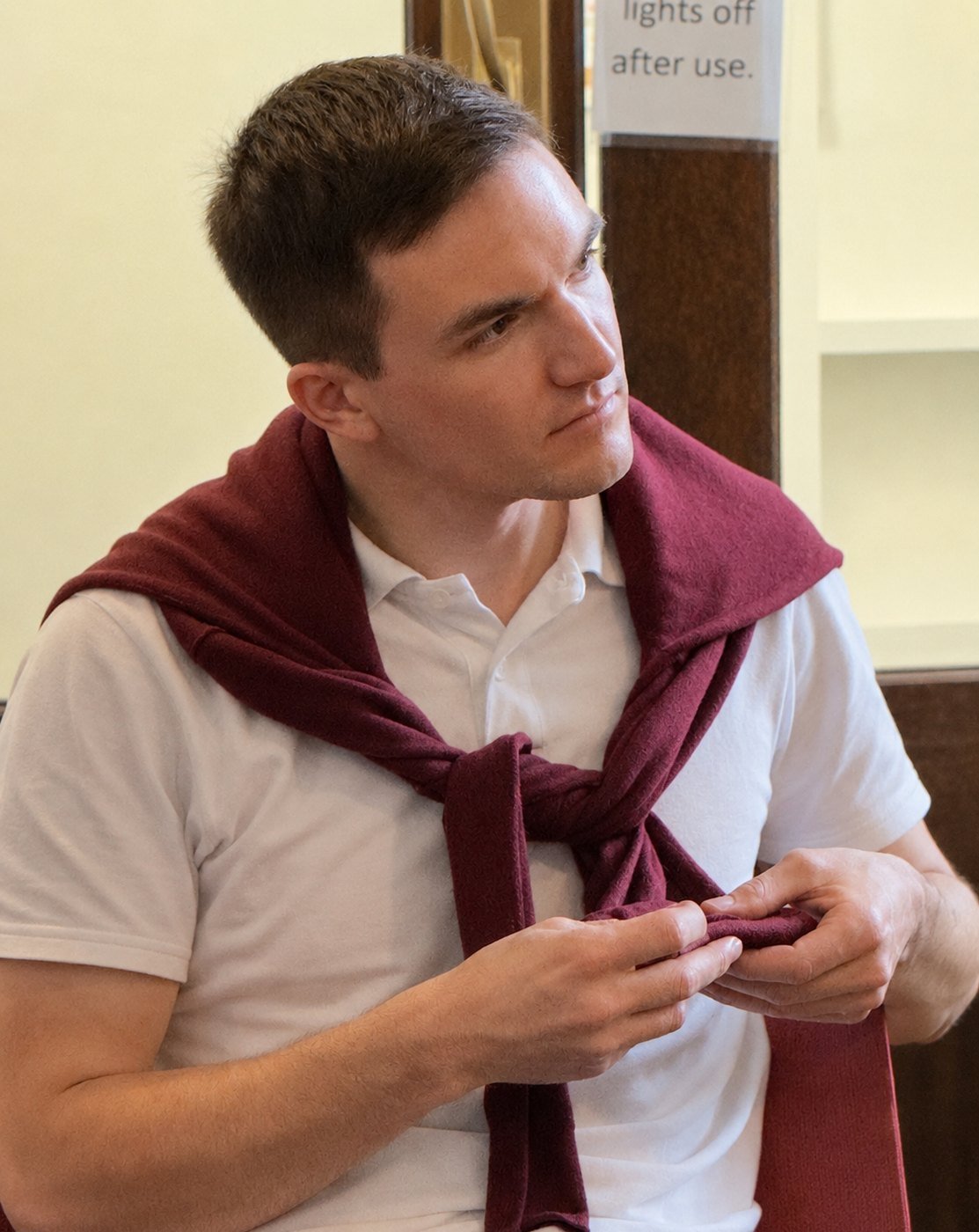
Following closely.Philippe
Uncle Billy spoke of his growing up and his work life, but also of hardship and health challenges faced by people struggling with intergenerational trauma — a history of displacement, loss of community, culture and family ties, alongside the constancy of systemic racism and conflict.
The circle of those present were held by his stories. We appreciated Uncle Billy disclosing deeply personal and difficult dimensions of his life-experience.
A participant offers her analysis.Philippe
Thanks also to Aunty Sandra King, and to Uncle Bill Lemson, our host and event organiser.
Uncle Bill Lemson, host, with the support of St John’s Cathedral.Philippe
A report from the Yarning Circle of Sunday 17 May 2026.
Report based on contributions from: Kerrie Collings-Silvey & Linda Harnett